
12 new albums to stream this week
The new albums from Tony Bontana, Mitski, and Bill Callahan should be at the top of your queue today. Tap in and find a new obsession.
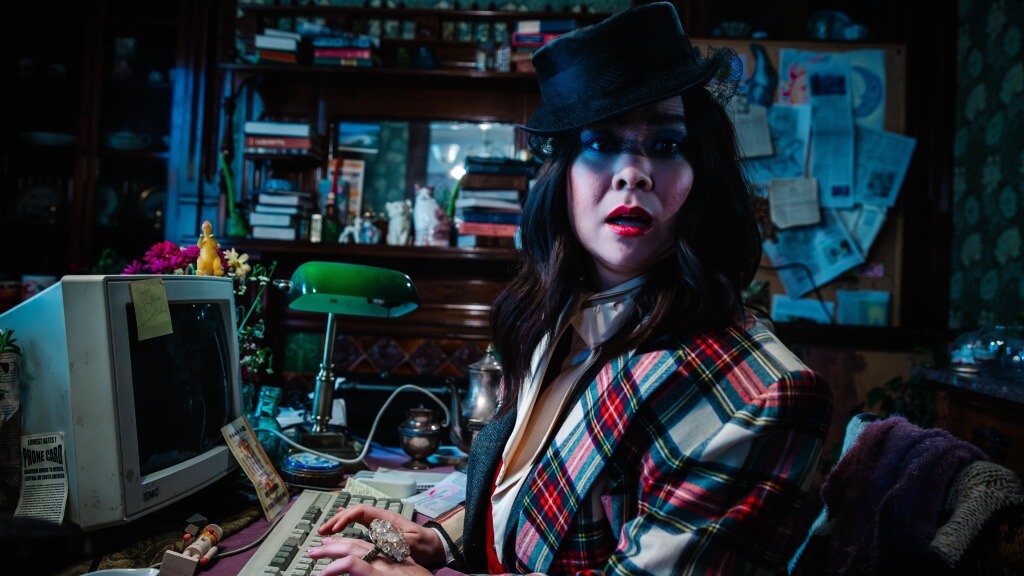
Photo of Mitski by Lexie Alley
Paste is the place to kick off each and every New Music Friday. We follow our regular roundups of the best new songs by highlighting the most compelling new records you need to hear. Find the best new albums of the week below.
Bill Callahan: My Days of 58
 Bill Callahan describes My Days of 58 as a “living room record.” And while you can easily imagine these relaxed songs being played on a couple of couches fronted by a Barcalounger, it’s also astonishing how much atmosphere and movement the singer and his band can muster while just shifting on cushions. The desolate “Lonely City” gradually builds a warm, driving camaraderie as hazy backing rises like sidewalk steam, percussion pounds the pavement, and Eve Searls’ backing vocals whistle down the deserted streets of this living room metropolis. Likewise, album masterpiece “Stepping Out for Air” sees Callahan seeking out beauty and answers through the gloom, horns at his back like a northerly wind when he steps outside, as a wingman when he dresses to the nines, and as Gabriel’s own alarm calls him home. It’s a gorgeous seven minutes of colliding sounds that reminds us that Callahan composes and orchestrates as much as he simply sings and strums. As Callahan demonstrates across My Days of 58, there’s not a question he’s unwilling to ask or a path he’s too paralyzed to venture down, even if the promise of some tidy resolution seems bleak. —Matt Melis [Drag City]
Read: “The man Bill Callahan is trying to be”
Bruno Mars: The Romantic
 It’s been ten years since the last Bruno Mars LP, but 24K Magic did all right for itself, taking home Album of the Year (and five other awards) at the Grammys. But don’t mistake ten years without an album as some sort of hiatus. Mars has been anything but still: he topped the charts with Lady Gaga and Rosé (and won more Grammys for doing so), co-led the short-lived Silk Sonic project with Anderson .Paak, played cover songs with rock and roll legends at rich-people parties, and took up residency in Las Vegas. Considering how woven into the last 20 years of pop music he’s been, I admire how someone like Mars can step out of the limelight but never step away from it. The Romantic does exactly what you want it to, which is to further confirm why Mars is among the most talented living performers. He operates out of noticeable vintageness but makes those tones palatable to new generations. That’s why “Dance With Me” is one of the greatest songs he’s ever done, because Mars can pull a groove out of anyplace. —Matt Mitchell [Atlantic]
Buck Meek: The Mirror
 Although it’s a solo album, Buck Meek doesn’t embark on this journey alone. Collaborators such as his brother and keyboardist Dylan; bassist Ken Woodward; harpist Mary Lattimore; and Big Thief bandmates Adrianne Lenker and James Krivchenia, the latter of whom also produced The Mirror, are just some of the musicians who join him at various stops along the way. Krivchenia, in particular, helps to subtly expand Meek’s indie-folk template. The drummer’s own electronic solo work now informs Meek’s, whose songs are littered with flourishes of modular synth and elliptical textures performed by Adiran Olsen. There are the modern-day-Alex G squelches in the intro of “Can I Mend It?”; the sputtering synths toward the end of “Deja Vu”; and the splashes of arpeggio on the feeble little horse-esque closer “Outta Body.” The Mirror may not be as all-encompassing or adventurous, but it partly recalls how Big Thief gestured toward the electronic world on 2022’s double LP, Dragon New Warm Mountain I Believe in You, notably on mid-album cuts like “Heavy Bend” and “Blurred View.” The key focus this time, however, is Meek’s songwriting, but there are fine-drawn textural layers that sustain it throughout. The scattered synths lend his songs an esoteric edge, emphasizing the latent abstractions that animate romantic affection. The Mirror doesn’t concern itself with solving love’s mysteries so much as guiding us to their existence, showcasing them in all their arcane splendor, angling its resplendent reflections toward us. —Grant Sharples [4AD]
cootie catcher: Something We All Got
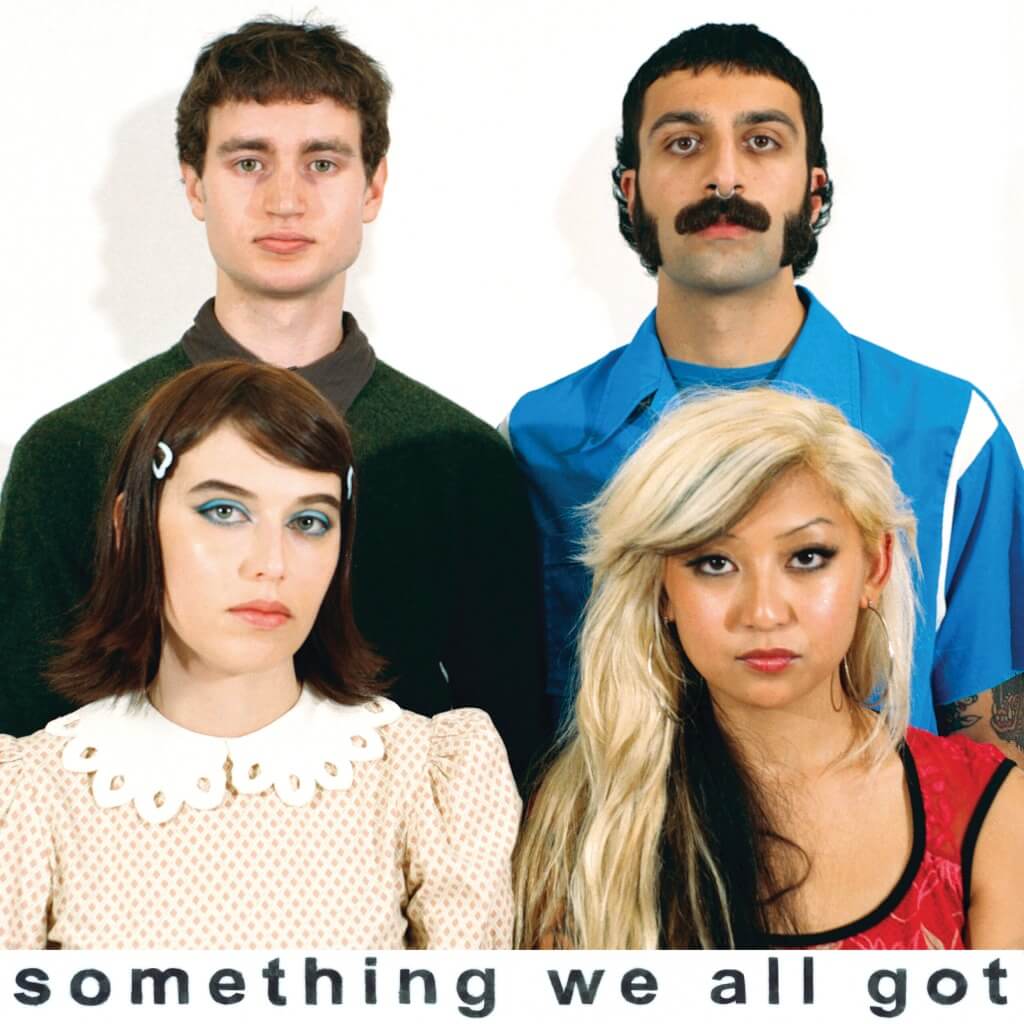 Something We All Got is full off-axis instrumentals that whiz by you. Electric guitars fray and detune as songs chug along, live drum grooves from Joseph Shemoun take up arms against the programmed beats, and Sophia Chavez’s scratches recall the DJs of ‘90s pop rock. The entire thing is twitchy and uneasy, the soundtrack of being twenty-something and figuring it all out on record. A lesser band would lose themselves inside their laptops, doubling down on digital abstractions, but cootie catcher remains firmly enthralled with the possibilities of being twee. Even with a few radio-ready moments, the catchiest song here is called “puzzle pop,” the title of which basically sums up cootie catcher’s whole deal as well as anyone could. But if cootie catcher is all post-modern pop collage, situated somewhere between the Vaselines and Disco Inferno, Something We All Got contrasts that bursting-at-the-seams sound with songs about typical frustrations that come with mediocre relationships, odd jobs, and fairweather friends. The language they use is casual—and occasionally interrupted by la’s, oh’s and ah’s—but all three vocalists manage to relay real disappointment. “Gingham dress” sees Chavez exasperated with a date who doesn’t “know where this will go” after eight months; “Straight drop” centers around the image of Anita Fowl crying on the bus; the Pavement-like stumble of “No biggie” finds Nolan Jakupovski grappling with a slipping relationship. Together, the three present a unified, bummed-out perspective. —Ethan Beck [Carpark]
 The Mountain acts as a kind of bookend to the unofficial trilogy of Gorillaz’s location-based projects, each of which imagine Gorillaz embarking on a journey to a fictional world in service of commenting on our own. 2010’s Plastic Beach, still Gorillaz’s best LP to date, could be considered the first entry of this series with its equally mournful and upbeat seafaring satire of our culture’s destruction of the environment. 2023’s Cracker Island used a similar approach to explore the isolating nature of cultural echo chambers. In contrast to its predecessors, the commentary on The Mountain takes a backseat in favor of a sincere attempt to find some kind of comfort and joy in the face of losing our loved ones. Albarn brings a fun, buzzy energy that helps some of the thematic heavy-handedness go down easier. The boppy disco fever of “The Moon Cave” adds some groovy ‘80s flair to The Mountain’s melancholic slant, as do the New Wave synths and assist from avant-pop duo Sparks on the catchy if familiar “The Happy Dictator.” The percussive sway of “Damascus,” which was originally written during the Plastic Beach sessions but was swapped out for the track “Sweepstakes,” fits much more here in the context of The Mountain’s sitar-heavy sound. The seven-minute centerpiece “The Manifesto” is an ambitious, memorable doozy of a two-parter, with ear-grabbing features from Argentine hip-hop artist Trueno and the late rapper Proof. —Sam Rosenberg [Kong]
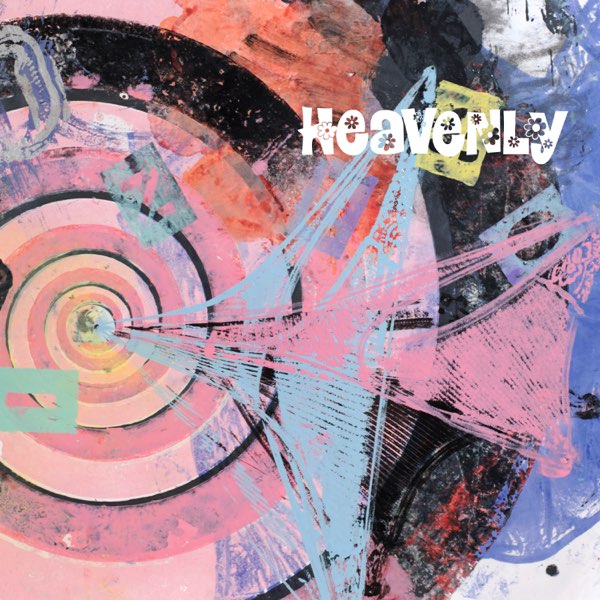 Heavenly’s first album since the 1990s is a return that was worth the wait. The band are indie-pop legends now; two years ago we named Atta Girl one of the greatest EPs of all time. Amelia Fletcher and Cathy Rogers could have stayed away and let their impressive body of work do the talking, but Highway to Heavenly makes the argument that good art simply has no expiration date and neither does Heavenly. The band sounds incredible on this album, frankly, whether it’s during the sun-splashed hooks in “Skep Wax,” the sentimental rock ballad “Good Times,” or jangly lead single “Excuse Me,” which, as Grace Robins-Somerville wrote for us, “shows the group at their catchiest.” Heavenly even go disco on the cheekily-named “A Different Beat.” But “The Last Day,” a song deeply motivated by grief, is perhaps the strongest appraisal of where Heavenly are in 2026. I’m moved by the wisdom Fletcher and Rogers deliver to us on Highway to Heavenly. It’s never too late to be impossibly good. —Matt Mitchell [Skep Wax]
 Whereas the songs on 2024’s Light Verse mask their gloomy themes with gleeful instrumentation, Hen’s Teeth is the inverse of that. This is an album that finds solace in sorrow; the gratification that can arise from devotion to the point of self-erasure; and watching something bigger than yourself flourish from an act of giving. Given that Light Verse was the first proper Iron & Wine album since 2017’s Beast Epic, the short release window between Hen’s Teeth and its predecessor seems like yet another tethering device. But its inverse themes make for something deeper and more convincing. It isn’t subversive, per se, as it draws from the same indie-folk stylings and finger-picked guitars as its direct sibling (and its many cousins in other Iron & Wine albums), yet that doesn’t dull its impact so much as call attention to its more novel embellishments. Paul Jacob Cartwright’s trilling violin makes for a warm presence on “Singing Saw.” Mandola, zither, and tenor guitar, courtesy of Cartwright and David Garza, add textural flair and tonal depth throughout. I’m With Her’s guest harmonies on “Robin’s Egg” and “Wait Up” blend seamlessly with the songs’ filigreed arrangements. Across these ten songs, Beam explores romance’s well-documented dichotomy of pleasure and pain, but the act of listening to the music itself is pure pleasure. —Grant Sharples [Sub Pop]
 Lillie West has never sounded quite this glossy or this gutted. Heaven 2 finds Lala Lala draping late‑’90s pop shimmer and trip‑hop thump over the same old stomachache, all sleek synths, rubbery bass, and melodies that feel weirdly familiar in that “radio on in the back of your mom’s car” way. Co‑produced with Jay Som, the record moves like a string of little private epiphanies set to big, ventilated electronics: “Car Anymore” and “Scammer” hum with low‑grade panic under their clubby surfaces, “Even Mountains Erode” shrugs out some of her sharpest lines over a beat that sounds built for walking laps around the block, and “Does This Go Faster?” weaponizes one of her most undeniable choruses against the bummer that “hell is the day after the party.” Dirt and concrete keep sneaking into the lyrics—parking lots, cities, Wyoming soil—as if she’s testing different kinds of ground to see which, if any, feels like it’ll hold. By the time “Wyoming Dirt” signs off with “I always leave a place / I always leave somebody in the dirt,” the album feels less like a search for some perfect afterlife and more like a catalog of all the ways ecstasy curdles into consequence. Heaven, here, is a flash; the hangover is where the real record lives. —Casey Epstein-Gross [Sub Pop]
 Maria BC’s Marathon sees the artist sidestepping such intense devotion to production in favor of honing their songwriting—in search of something ”more concise,” but also “dynamic and varied,” by their own estimation. The record’s title track, which also serves as its opener and lead single, arrives as a clear introductory statement, delivering on the now-established trend of elevated stakes with each project’s arrival. This time, the change comes in the form of a crushing drone-metal dirge inspired by a gas station signage near their childhood home, splitting the Maria BC sonic palette open with each guitar stroke acting as blunt-force attack. Those looking for a more overt, extreme approach to the material, tapping into a more visceral ambient flavor, might be slightly let down by the less audacious shift between the sound of this release and the last. Nevertheless, Marathon emerges as a record which rewards close listening, like its predecessors, providing the opportunity for an interested listener to unearth textures and tricks not quite evident after one spin on the turntable. Where the less sonically-daring tracks shine still lies in Maria BC’s ability to manipulate and reshape sound, transforming an oblique lyrical idea into something that sounds like an atmospheric transmission from beyond, aging the sentiment into something ancient with the sheer depth of a guitar sound—as if these strange songs, built on childhood vignettes and pleas of masochistic devotion, have always existed. For every clanging rhythm igniting the fuse of a track like “The sound” or the eclectic instrumentation of “Rare,” there is the staticky, fidgeting hymn of closer “Miami,” stripped of obvious experimentation but still bearing the bones of historical songcraft. Even in its sparseness, intensity is never spared. —Elise Soutar [Sacred Bones]
 Mitski’s eighth album plays like a haunted house tour where every room is another way of being alone, and every window looks out on a world that suddenly knows your name. Nothing’s About to Happen to Me folds the TikTok-famous torch singer, the theatrical Laurel Hell auteur, and the scrappy Bury Me at Makeout Creek lifer into a single reclusive narrator: a woman holed up in a crumbling house full of cats, ghosts, and bad thoughts, insisting “nothing” is happening while death and memory keep knocking at the door. The pedal steel, banjo, and small‑town twang from The Land Is Inhospitable and So Are We are all stitched to fuzzed‑out guitar blowouts and orchestral swells, her touring band moving from parlor‑bar jazz to panic‑attack punk without ever losing their grip. Meanwhile, she imagines fans and friends only really loving her as a corpse, turns a missing phone into a full‑blown spiral, feeds the dead girls’ dogs at night like some self‑appointed psychopomp, and spends whole songs arguing with a neighborhood cat about who actually owns the house. Beneath the gothic set dressing, though, the stakes are brutally recognizable: the partner who’s the only witness to your real self, the fear that if you step outside you’ll be consumed, the seduction of disappearing completely versus the stubborn, petty urge to keep living in your mess anyway. Nothing’s About to Happen to Me isn’t a reinvention so much as Mitski turning all her previous eras into scenery—a concept album that feels, perversely, like her most revealing work, even as she keeps the front door firmly shut. —Casey Epstein-Gross [Dead Oceans]
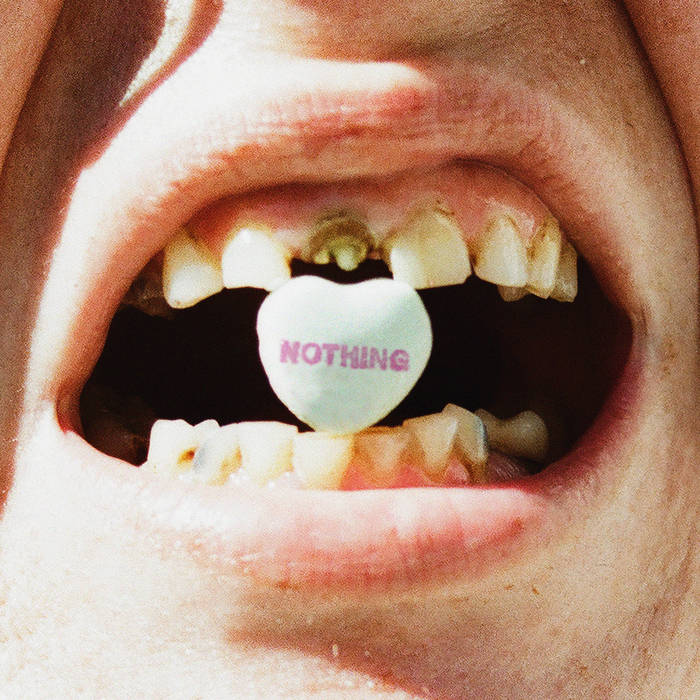 a short history of decay gathers a new coterie of collaborators, as Nothing albums often do. Cloakroom’s Doyle Martin plays guitar and contributes vocals; Manslaughter 777’s Zachary Jones is behind the drum kit; Best Coast’s Bobb Bruno is on bass. Even harpist Mary Lattimore joins the crew for the downtempo, orchestral “purple strings.” Still, Palermo is the primary animating force, but for a band so commonly associated with noisy barrages and thrilling volumes, much of their latest record is relatively staid save for a handful of redemptive moments. The band’s greatest strength is their juxtaposition of distorted intensity and dreamy atmosphere. Closing track “essential tremors” is an example of how Nothing operates when they hold these two forces in harmony. They slowly ratchet up the noise, building and building until the fuzzed-out bliss hits. Eventually, the noise clears, and all we’re left with are the sputtering embers of a shrill guitar. It captures one of Nothing’s most dynamic performances. —Grant Sharples [Run For Cover]
 Someone as creative as Tony Bontana understands the power of brevity, and he moves from one idea to the next at a rapid yet nonetheless smooth pace. Early highlight “Soft Dreams” offers a Midwest emo guitar backdrop for Bontana to excoriate those who remain grossly silent on the genocide against Palestinians, getting the point across in just two verses. “Time might run up so I gotta speak my mind, right? / Free Palestine, I could never turn a blind eye,” he raps, his voice loud and resonant over the gauzy instrumental. It transitions into the minute-long “John Osbourne,” a track built on cooing vocal samples, rhythmic synth stabs, and Bontana’s meditations on grief from his mother’s death. It shortly dissolves into “Absolution,” one of two tracks on My Name to breach the three-minute mark, whose ghostly chipmunk soul loops throughout the final minute or so before it filters into the brisk groove of the Leo Sierra-featuring “Recoup.” He covers a lot of ground in a small amount of time; its effect isn’t vertiginous so much as it is spellbinding. Whether he’s behind the mic or the mixing board, Bontana proves an adept force. On his previous releases, he displayed the splayed sound, introducing his audience to its conceptual framework. My Name, by contrast, is not an introduction but an exhibition for those already familiar with his game. This is his apotheosis, the most fully realized project Bontana has released yet: a compelling portrait of an artist whose singular style refuses to be mistaken for anything else. —Grant Sharples [Everything Is Perfect]
 Keep scrolling for more great stories.