When Cape Fear amps up the chaos and leans fully into its psychodrama potential, it can be thrilling. On a formal level, almost everything here is still working; Nick Antosca has a specific tone and aesthetic in mind that borrows from previous versions (particularly the 1991 film) in service of something new. And in episodes like “Possum,” directed by Trey Edward Shults of Krisha and Waves fame, we see glimpses of a pulpy yet thought-provoking thriller somewhere in the general ballpark of the show’s cinematic predecessors.
Unfortunately, we also see a lot of the usual bullshit. The plot itself is slowly coming together now that this story has moved into its second half, which makes the show easier to enjoy in some respects—but it also makes the faults of the first half even more glaring. I hate to mention the kid characters over and over, for example, but we should understand who they are and why we should care about them by this point.
At the beginning of this week, the Bowdens are on defense, battening down the hatches with a fancy (but not invincible) new security system. The kids are armed with pepper spray and unable to leave the house, with their phone locations viewable at all times. Natalie reacts to this imprisonment the way any bratty teenager in any TV show ever would: She sarcastically mouths off to her parents, sneaks out of the house to buy booze, and gets well-acquainted with alcohol poisoning. God forbid Anna and Tom worry about their family’s lives after a murderer moves in across the street, right?
There’s a foundation in place here for an adequate daughter character, but so far that’s all it is: a foundation. Lily Collias is a strong performer, but the “perfect daughter who feels alienated from her parents” character needs more shading than she’s getting, and there’s nothing to really latch onto or root for in her relationships. She wants to know the truth about what went down between her parents and Max Cady, and she’s unsettled by her brother, but that’s about it. So when she connects with Cady during her booze run in this episode, softening toward the man almost immediately after he chases off that nosy podcaster, it just feels contrived.
If Nat is a stereotype, Zack is a total cipher at this point. The kid’s struggles with self-harm and his connection with his dad provided an early foundation—there’s that word again—but he has drifted even further into inscrutability in the episodes since Sophia rejected his apology. He’s obviously mentally ill, and he’s obviously on drugs, and maybe there’s some other unknown factor that explains his strange behavior to his sister and parents. But we almost never get any real insight into his thought process anymore, and that just makes his scenes boring instead of eerie. All I could do was giggle in this episode when he asked, “Who’s Zack?”
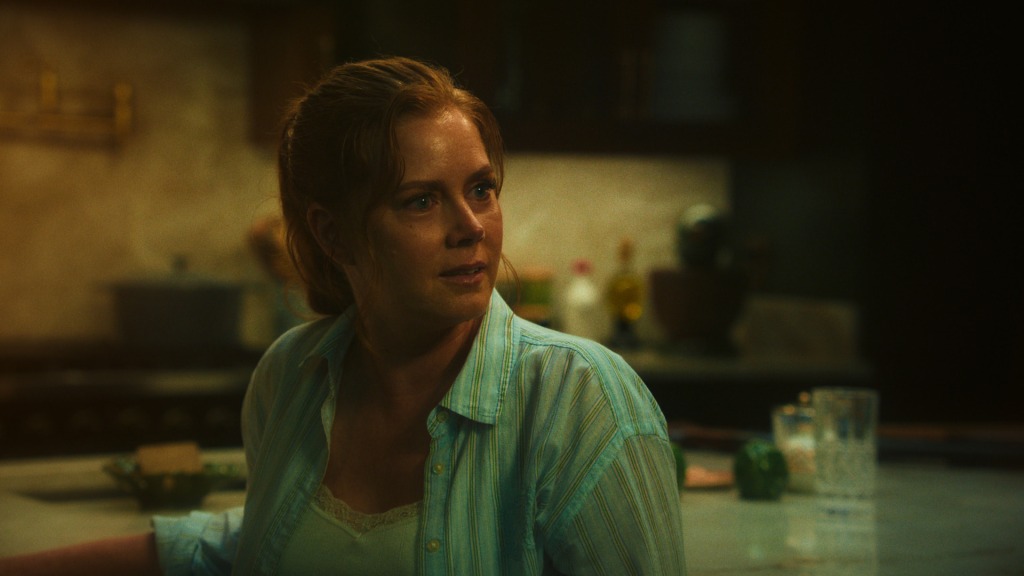
As I alluded to earlier, Cape Fear can still nail a set piece when it wants to. I quite enjoyed the wooziness of the acid trip midway through “Possum,” during which all the interpersonal conflicts seem to collide at once with the worst timing: Tom confronting Nat about her drinking, Anna calling Tom out for his near-affair (Amy Adams’ delivery of “Slut got your tongue?” might be her best, or at least funniest, moment on the show yet), Nat demanding to know what exactly her parents did to Cady. The camera lingers on the sensory details even before the drugs kick in, starting with the sound of ice clinking in a glass of spiked tea on an oppressively hot southern day. The A/C is out, which only adds to the feeling of building agitation.
If anything, that tripping sequence doesn’t last long enough for my liking, ending after Nat shoots down the drone floating toward them. It’s a memorable scene on its own, but it doesn’t yield many long-term consequences. Sure, Nat confronts her parents, but she doesn’t learn anything new about their past. Yes, Anna confronts Tom, but he doesn’t fully confirm the details of his flirtation with Lexi (on screen, anyway), nor does he offer any insight into why he could be swayed away from his wife. And what are the implications of Anna breaking 17 years of sobriety? The next morning, nobody really acknowledges the sheer wildness of what just happened.
The first half of this series drew some productive tension out of ambiguity: Did Max Cady really do what he was accused of, or did the Bowdens turn him into a monster? The longer it goes on, though, the more clear it is that the show is relying on inscrutability in lieu of substance. The ambiguity isn’t amounting to much; the show teases these mysteries for so long, only to offer answers that aren’t that interesting.
For example, what exactly do we learn from this week’s solo Max Cady scenes? In one, he angrily discusses Crystal’s stalking with a man on the phone who should be taking care of her, but the conversation doesn’t offer much helpful context about their relationship, nor do we even learn who the man is. There’s also two (again, nice-looking) prison flashbacks, during which Cady gets violent revenge on Padrino, the man who offered him up as a sacrifice to the Aryan Brothers before facilitating his religious conversion. This new faith allows Cady to spiritually connect to the family he lost, but for Padrino, it’s also a manipulative way of diverting his anger away from its target. This backstory doesn’t truly elucidate anything about Cady’s grief and rage, though. It’s mostly just more time-killing.
“Possum” climaxes with another pair of set pieces: first a tense neighborly dinner across the street at Cady’s house, then a more explosive fight scene at the Bowden house. The former scene is one of the strongest of the episode, basically confirming what we already knew: Cady isn’t interested in reparations from Anna and Tom, only a sincere apology and the end of their law careers. Otherwise, he will make them pay for their 17-year-old mistakes with pain, taking away their sense of control so they understand how he felt in prison. It all makes sense, even if that definitive shift away from ambiguity means losing a core element of this show’s identity. That’s fine; Cape Fear has spent enough time playing coy.
And then Zack starts a fire at home and reveals that he spiked the tea, presumably working with Nevaeh, who has been living inside the walls of the Bowden house. The lead-up to that reveal is exciting stuff, even if the stakes are a bit low here: After all, with four episodes left, there’s a lot more of this story to tell, and we’re probably not losing any family members yet. The cliffhanger of Zack heading over to Cady’s house doesn’t land with much oomph for that same reason.
It’s always hard to know which pieces of Cape Fear will carry over from week to week. Last week, Nevaeh’s mother was murdered (probably by her own daughter and/or Zack), and Anna’s fingerprints were on the murder weapon. Surely it’ll come up again, but the lack of follow-up in “Possum” is a bit perplexing—as is the choice to continue emphasizing how little we know about the Bowdens instead of letting us understand and maybe even feel some affinity toward them. Answers are coming, but will we care about them when they arrive?
Stray observations
- • Tom consults Henry about a restraining order against Cady, and Henry suggests that in the meantime they simply wait for Cady to make a mistake. It resembles a couple scenes from the other adaptations.
- • Nat dealing with the sensory overload of LSD: “The stairs are too big for me.”
- • I also really enjoyed the reveal that the anger management class had been listening in on the acid trip. There’s a sort of deep horror in realizing you’re being perceived during a moment like that.
- • Tom is suspicious of Anna’s relationship with Cady now, but she insists their connection was only ever emotional. Hmm.


 Keep scrolling for more great stories.