
A career-best Florence Pugh anchors Netflix’s astounding East Of Eden adaptation
Pugh plays a dark soul who leaves wreckage wherever she goes in Zoe Kazan’s take on the John Steinbeck classic.
Photo: Courtesy Of Netflix
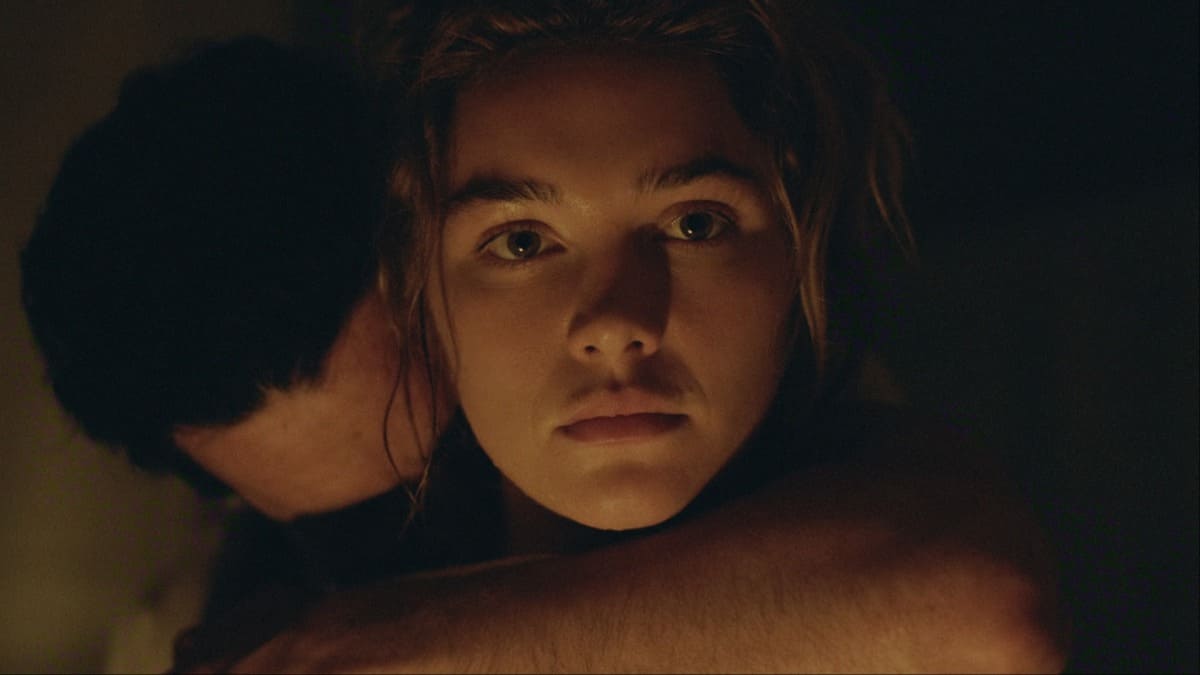
Everyone in East Of Eden is looking for room to breathe. At the turn of the 20th century, after the West was won and the United States tiptoed toward the cliff of world wars for the first time, people yearned to find space of their own in an increasingly crowded country. This was their version of the American Dream.
That hunger sits at the core of John Steinbeck’s landmark 1952 novel. But it looks different for each character, something writer and executive producer Zoe Kazan masterfully mines in her astounding new seven-episode East Of Eden adaptation for Netflix. For Adam Trask (Christopher Abbott), it’s a literal plot of land in California’s Salinas Valley, where he seizes the promise of new industry because it’s what he thinks success and a good life looks like. For his restless wife Cathy Ames (Florence Pugh), it’s a more metaphorical independence to roam free of anyone’s influence or direction, without the pressure of expectation beyond her own singular existence. For their live-in caretaker Lee (Hoon Lee), it’s a more aspirational vision to own a business and leave behind a legacy in a country that still silos his Chinese American community into cramped neighborhoods while shutting the door of opportunity to them.
Kazan forges a strikingly realized sense of place in between pillars of American history. As a country, the U.S. has a blind spot that lasts from the late 1800s to the doorstep of World War I. But here, Kazan’s story embraces a lost era when quiet possibility prevailed—for some, at least. Her understanding that East Of Eden takes place in the aftermath of one war and in the march toward another gives the Trask family a place to let past sins compound present pain.
Unlike the 1955 film adaptation starring James Dean and directed by Elia Kazan (Zoe’s paternal grandfather), the series lives mostly with the scars inflicted on and by Adam, Cathy, and Adam’s half-brother Charles (Mike Faist). The 1955 film put the spotlight on Adam and Cathy’s teenaged twin sons, Caleb and Aron, but we don’t see them at that stage of their lives until the final two episodes—in which Joseph Zada’s portrayal of Caleb is the real standout. Instead, Pugh leads the bulk of the story as a dark soul who leaves wreckage wherever she goes—by choice and by consequence of her callous outlook on life. The Oscar nominee is exhilarating as Cathy, who is as coarse as sandpaper and yet as alluringly drawn as any character on TV in recent years. With a hyper focus on this generation of the family, Cathy feels like the true catalyst for the tragedy of the Trasks, something they welcome as much as she wields. That shouldn’t discount the cruel influence of Adam and Charles’ Civil War veteran father, Cyrus (Tracy Letts). But in Pugh’s hands, Cathy is the real fever this family must sweat out in order to survive—something father and sons aren’t equipped to do. Her take on the character moves through this story with a chilly resolve to fill the insatiable pit in her stomach, no matter the hearts she breaks along the way. It’s Pugh’s best performance to date.
 Keep scrolling for more great stories.