Despite the svelte under-90-minute runtime, Pawlikowski packs many details and emotions into careful compositions and clashes between father and daughter. There’s lingering tensions about wanting to leave the place well enough alone, especially after all the harm and damage it’s done not just to this family but millions of others. But something about Thomas’ ties to the country calls him back, even if it’s just another chance to lecture on his favorite subject (Faust) in his mother tongue. Both Thomas and Erika reject the remnants of the old establishment who are trying to ingratiate themselves into the new way of life, seeking out survival despite their past crimes. At the reception after a press conference where reporters grilled him about his choice to return, Thomas hands down a withering response to the descendants of Richard Wagner trying to fundraise to restore their town’s theater. Erika faces her own fight when she runs into her ex-husband, Gustaf Gründgens, an actor and chum of Hermann Göring, and ends their brief reunion with a seismic slap heard across the party. In some sense, the father and daughter can never truly come home again after what’s happened.
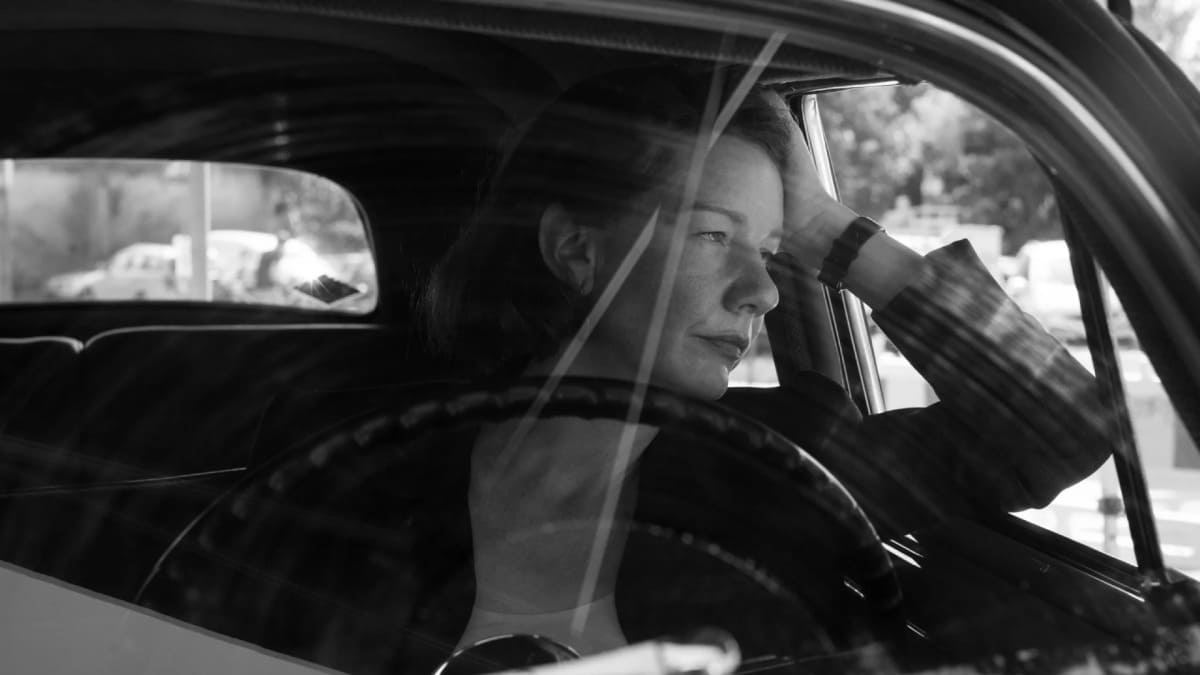
Pawlikowski and Hendrik Handloegten’s script is minismalist at times, giving space to silence so that the crisp visual details of cinematographer Łukasz Żal’s work can fill the frame. Their compositions are stunning as ever both in intimate spaces or wide shots of buildings. A collaborator on both Ida and Cold War, Żal’s approach to Fatherland is much less stark than the previous films and incorporates many more shades of gray and shadows. Much of the film is confined to ruin-lined roads and shuffling between event venues, playing up their feelings of isolation in this place they once called home. They don’t recognize it, and at times, it doesn’t recognize them. Both Ida and Cold War focus on the legacy of the Holocaust, grief, and the Soviet era of unrest that upended the lives of characters in Poland. In Fatherland, the tension moves closer to the source itself. It’s the first of Pawlikowski’s films to be set in Germany in the immediate few years after WWII rewrote maps and laws. In a sense, these characters should be happy—they escaped—but the loss of their home and culture affects them in different ways.
With a forlorn look and a sense of exhaustion, Hüller carries the family’s grief as Erika’s father stubbornly hides his emotions to carry out his duties as professionally as possible. Her character’s sadness breaks out in fits and starts, cracking her tough façade. She can handle just about anything her father asks of her—including jeopardizing their home in the States or socializing with the very people who pushed them out of the country in the first place—just not pretending as if her brother, who also faced political censorship and fled the country he never returned to, hasn’t died. Hüller’s quiet, deeply felt performance is as haunting as it is reserved. Cold War star Joanna Kulig also makes an appearance as a singer in one of the receptions, briefly tying together Pawlikowski’s various historical dramas.
While Fatherland doesn’t have the fiery passion of Cold War, it does share much more with Ida, Pawlikowski’s road trip movie where an aunt and niece reunite to find out the truth about what happened to their family during the Holocaust. There’s a mournful air over the search for answers in Ida, and in Fatherland, the sudden onset of grief adds an even deeper sense that the Mann family can never truly return home again. All that’s left is to observe the ruins of a former life.
Director: Paweł Pawlikowski
Writers: Paweł Pawlikowski and Hendrik Handloegten
Starring: Sandra Hüller, Hanns Zischler, and August Diehl
Release date: October 23, 2026


 Keep scrolling for more great stories.