It's time for Nintendo to free the RPG geniuses at Camelot from Mario sports games

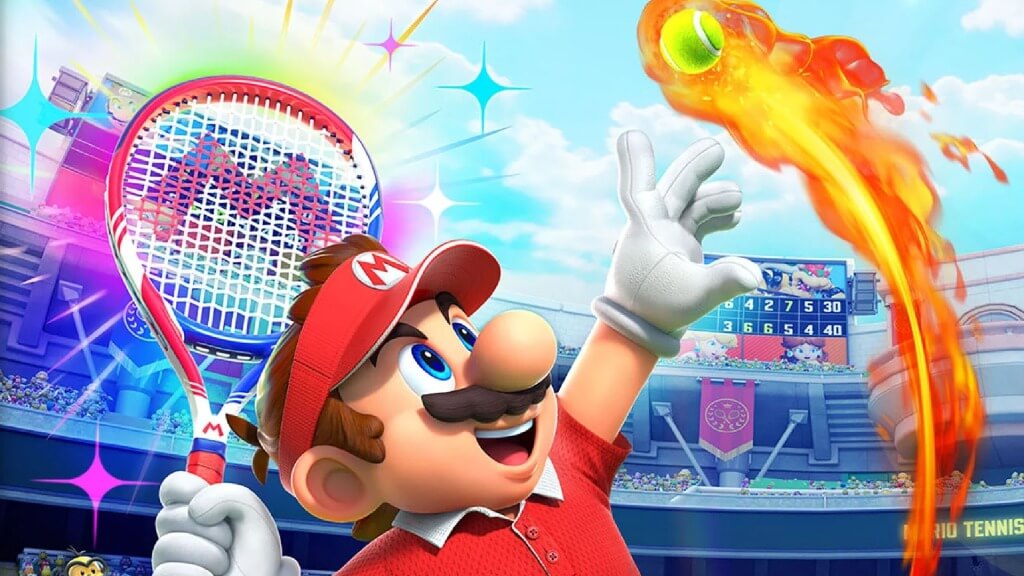
Mario Tennis Fever sees the Takahashi brothers' studio following the same path it's been on since 1999.

It's time for Nintendo to free the RPG geniuses at Camelot from Mario sports games

To the surprise of absolutely no one, I was never a Sporty Spice. When I snapped every one of the metatarsals in my foot clean across and had to spend the year reading and running a clandestine duet Dungeons & Dragons campaign in the stacks with a beautiful, Tolkien-obsessed lad who was also library-bound instead of doing PE and after school sports? Nothing made me happier. And yet, I really do love sports games—especially golf and tennis. So it’s surprising, that as someone who immersed herself in the deep nourishing Gatorade barrel of electronic Wimbledon-likes to create a definitive ranking of them, that I do not love the new Mario Tennis Fever.

Sure, it’s feature-complete out of the gate and has a wealth of characters to unlock. Yes, it’s smoother, faster, and the graphics are better by every technical metric than its Switch predecessor. The netcode could tighten up a bit, but it’s still a direct improvement by almost every metric. But despite all that, Mario Tennis Fever would get a 7 out of 10 (or a B, on the A.V. Club scale). It doesn’t earn its okay grade in the way we bicker and posture about on social media—it’s not a quirky genius, a messy cult classic, so bad it’s fun, or those miserable game critic words that rhyme with crank and bop. This is a straight reference 7 out of 10, a game that looks fine, plays nice, does mostly all it promises, and (just like 2021’s Mario Golf: Super Rush) still comes out a letter grade or two short. Most importantly—most worrisomely—this is a game that effortlessly communicates how far we’ve turned from the radiant face of the RPG god’s love.

Mario Tennis’s longtime developer, Camelot Software Planning, began its life with the goal of making Sony Playstation games. It created the first PlayStation RPG to hit U.S. shores (the tragic flop Beyond The Beyond), assisted in making Shining Force III, and then reunited Shining series designers Hiroyuki and Shugo Takahashi from Climax and Sonic! Software Planning under one banner, just as Sega pulled the rug out from under them to focus on the Dreamcast. It was in wrapping up Shining Force III that Monegi, a joint venture between Hudson Soft and Nintendo, approached Camelot to assist in Nintendo’s upcoming follow-up to NES Open Tournament Golf—not because of Camelot’s exceptional Everybody’s Golf (Hot Shots Golf in the US), but for its RPG pedigree. Nintendo wanted a studio with RPG chops that defined the foundation of the 16-bit console experience. 

In the summer before the 20th century became the 21st, as Y2K panic started to swell, Spongebob made his debut, and the arrival of both unprecedented levels of bubble-centric design and the 7th season of The X-Files loomed, Mario Golf chipped its way onto the Nintendo 64. It ruled. Everyone agreed. Nintendo was psyched and had Shining Force II‘s Shugo Takahashi (maybe they really liked Beyond the Beyond and we’re all the ones who are wrong) take lead on the Game Boy Color version that would inject the diminutive cartridge with a surprisingly robust and innovative RPG mode with a 20+ hour adventure through multiple clubs, NPCs, and player advancement. Rave reviews and phenomenal sales followed, and a repeat of the process in 2000 with Mario Tennis cemented Camelot as Nintendo’s go-to ball guys.

Nintendo would let Camelot flex its pure RPG might in the undeniable Golden Sun (and its antagonist-turned-protagonist sequel The Lost Age), but what would follow was two decades of golf and tennis, constantly leapfrogging each other. One sports game followed the next, some good, some bad, with an occasional standout like Mario Power Tennis for the Game Boy Advance (which kept the RPG mode that its Gamecube sibling was boneheadedly denied, despite it being an otherwise superior wacky tennis game).

Dragon Quest veteran, Climax co-founder, and Camelot president Hiroyuki Takahashi argues that Mario Tennis’s RPG mode was designed for solo players huddled over a portable handheld, and that it isn’t needed for console games that groups can easily play together on a TV, like the Gamecube’s version of Mario Power Tennis. That argument doesn’t hold up with the Nintendo Switch, a handheld-console hybrid that’s at least equally found glued to a gamers’ hands as it is docked to a TV. For all intents and purposes, handheld gaming for one (with the option of a robust multiplayer) is how most of the world plays games today. (Thanks, smartphones and a piss-poor governmental COVID response.) So why has Camelot forsaken its RPG heritage and been stuck with sports?

For a company with such a deep and lauded RPG pedigree, it’s a tragedy that Fever‘s signature adventure mode can’t even hold on to dangling Daisy’s life by a thread for more than two minutes before losing interest and deciding “maybe babies?” What happens at the end of the Adventure Mode? Nothing. You can go play the same modes you always could play. And you’ll need to play them to unlock things. The desire to shove an extra $10 at Nintendo just to get all the weirdos and options for the decent, if nothing new, multiplayer matches is overwhelming. Did we forget everything that Mario Tennis for the Game Boy Color taught us?

If Kylie Minogue’s Fever was a triumphant return of the Australian pixie to global pop domination, Camelot’s Fever is the apotheosis of boredom—gimmicks, graphics, and not much else. Perhaps, after decades of almost nothing but tennis and golf games, Camelot is tired;  there’s only so many ways you can Mario Party tennis without actually Mario Party-ing tennis. Who wouldn’t be tired after making the same kind of games over and over? Even if Camelot itself isn’t aware of how tired of Mario Sports these last three games feel, I am tired of it exclusively being the visionary behind sports party games. It’s not healthy for a studio to make almost nothing but the same golf and tennis game for nearly three decades. Honestly, borrowing from Super Mario Wonder and special rackets that do AOE status effects to the court? This is what happens when you try to feed a T. rex a goat in a paddock for too long.

Nintendo clearly bears the blame for this. Sure, Camelot is one of the few studios that has managed to stay independent and just outside the reach of Nintendo’s gaping, menacing maw. But it feels wholly consumed by the Big N. Only a company that big, that sure of itself, and that unwilling to ever doubt that it inspires loyalty beyond reason would say “let’s tie up one of our best independent studios for five years to release a $70 tennis game on a $500 console during a period of tremendous economic, social, and political upheaval, instead of just giving Mario Tennis Aces the $10 upgrade treatment.” Instead of hamstringing the company that gave us Golden Sun, and that made breakthroughs in combining sports and RPGs on the Game Boy Color and Advance, Nintendo should let them release a game for the console that everyone has, and not the one Nintendo wants everyone to buy. Stop asking the Takahashis and their studio to sleepwalk through Mario-branded sports games, and let them cook again.

 
Join the discussion...
Keep scrolling for more great stories.