Paste is the place to kick off each and every New Music Friday. We follow our regular roundups of the best new songs by highlighting the most compelling new records you need to hear. Find the best new albums of the week below.
A$AP Rocky: Don’t be Dumb
Last time A$AP Rocky released a record, Kanye West wasn’t even a Nazi yet. Let that sink in. It’s been a long eight years since 2018’s divisive Testing, but that doesn’t mean Rocky hasn’t been busy—he’s been gracing the big screen and the tabloids (the latter due to his relationship with Rihanna) the whole time, but now he’s finally back in our ears. He’s come back with one hell of a crew, too; from Tyler, the Creator to Doechii, Hans Zimmer to Paste favorite Jessica Pratt, Gorillaz to Westside Gunn, it’s clear Rocky’s pulling out all the stops. With a whopping 17 songs, the album is part experimental, part classic Rocky, but his charisma bleeds through no matter what—especially when he’s dissing Drake on “Slow Ya Flow” (shitting on Drake has become a hip-hop rite of passage for the mid-2020s, yes, but Rocky’s got one hell of a leg up considering he has three kids with Drake’s most famous ex. Banger). —Casey Epstein-Gross[AWGE/RCA]
Courtney Marie Andrews: Valentine
Three years and change after releasing Loose Future, Grammy-nominated singer-songwriter Courtney Marie Andrews returns today with Valentine, a stunning set of big-hearted folk songs made in Los Angeles with Jerry Bernhardt and Grizzly Bear’s Chris Bear. The music pulled Andrews out of “one of the darkest periods of my life,” she says. “Love, it turns out, is a lot more than I gave it credit for.” Valentine is warm, intimate—washed over with the Laurel Canyon sounds that flanked her recording sessions. “Keeper” is my favorite song released in 2026 so far, “Magic Touch” lives up to its cosmic title, and there’s dust falling off the heartland chords of “Everybody Wants to Feel Like You Do.” Andrews summons the greats—Fleetwood Mac, Alex Chilton, Kate Bush, even Lee Hazelwood—in a spellbinding affair. Valentine is a record in pursuit of the love Andrews didn’t give enough credit to. Most of all, it’s a record as big as you need it to be. —Matt Mitchell[Loose Future]
Jana Horn: Jana Horn
Self-titling an album three records in is usually a flex or a reset. Jana Horn’s Jana Horn is neither. Instead, it feels like a quiet narrowing of focus—a decision to trust how much can be said with very little, and how much weight can gather in the spaces between things. These songs move with a deliberate slowness, circling states of exhaustion, grief, and tentative endurance without ever naming them outright. In the excellent opening track, “Go on move your body,” motion itself recurs less as liberation than as necessity: walking, riding trains, going on because stopping would mean something worse. Throughout, the arrangements are stripped but precise: guitar, bass, and drums held in careful tension, with occasional woodwind. Horn’s voice remains hushed but unwavering, never begging attention, never retreating from discomfort. There’s catharsis here, but it’s muted—hard-won, provisional, and deeply human. Rather than announcing a definitive statement, the album documents a way of being: attentive, unspectacular, and quietly radical in its insistence on staying with the feeling until it changes, or doesn’t. —Casey Epstein-Gross[No Quarter]
Julianna Barwick & Mary Lattimore: Tragic Magic
In 2025, the Musée de la Musique museum in France asked vocalist Julianna Barwick and harpist Mary Lattimore to use some of its artifacts to write music. Barwick and Lattimore obliged and wrote Tragic Magic together, a gentle ambient album full of weightless, celestial singing bodies and dainty, feathered harp plucks. These songs, even in their lightness, tell stories: “The Four Sleeping Princesses,” “Temple of the Winds,” “Melted Moon”—there’s history in this perfection, brought to life across nine days at the Philharmonie de Paris. And tucked into the fold is a generous cover of “Rachel’s Song,” a standout from Vangelis’ Blade Runner. This is two of our very best performers melting into each other. Each track on Tragic Magic is a dream awakened. —Matt Mitchell[InFiné]
Langhorne Slim: The Dreamin’ Kind
Good ol’ Slim is back and he’s gone electric on The Dreamin’ Kind. New Hope, Pennsylvania, has given us some good folk over the years: Buzzcocks’ Steve Garvey, Dean and Gene Ween, and Langhorne goddamn Slim, who sounds positively dynamite on this new batch of songs. “On Fire” burns the whole barn down, while “Rock N Roll” plugs in and blows out. Greta Van Fleet’s Sam Kiszka produced the album, and the bassist gets Slim to go all out in a seventies charge of overdriven melodrama. There ain’t no rest for the wicked on The Dreamin’ Kind, and Langhorne Slim sounds like a new man. But not even a volume knob turned all the way to the right could stop him from doting out story songs like “Engine 99” and “Lord.” This is the guy who wrote “Changes” and sang through all the strangeness ten years ago, after all. Slim tells stories for the soul. —Matt Mitchell[Dualtone]
Madison Beer: locket
Madison Beer is, perhaps, finally ready to cut loose and dance. locket, the singer’s third album, is underscored with a playfulness that’s long been absent from Beer’s work. You can see it in how sonically diverse the album is, with Beer finally stepping away from the sleepy slo-fi pop of Life Support and Silence Between Songs and instead tapping into a wide collage of inspirations to craft pop confection after pop confection. Dark siren synth-pop bangers “yes baby” and “make you mine” are satellited in from the alternate universe where Depeche Mode was tapped to produce the Jennifer’s Body soundtrack; “complexity” pings with garage breakbeats and glitchy 8-bit bleeps; “for the night” is a booty-call yearner track reimagined as a 60’s crooner jam. And with more fun comes more focus, too. Finally, Beer’s songs have the space to grow and expand, and it’s satisfying to watch how they build—take, for example, the way “angel wings” mutates at the end into a distorted, zombified outro, as if the song had been vacuumed into a nocturnal underbelly of desire. All you can do is dance. —Lydia Wei [Epic/Sing It Loud]
In their first musical iteration as The Naked Brothers Band, Nat & Alex Wolff had a knack for churning out endearing, kid-friendly homages to vintage rock and ‘60s bubblegum pop (“Banana Smoothie,” “I Don’t Wanna Go To School,” “If That’s Not Love”). Their self-titled fourth album, Nat & Alex Wolff, is a mostly pleasant and occasionally playful pastiche that certainly offers a lot more variety and personality than their last album, 2023’s dreary Table for Two. It’s also nice to hear the brothers attempt to flex their creative muscles again outside of their film performances, especially Alex, who’s made waves in both indie and commercial features over the past decade. —Sam Rosenberg[Coup D’Etat Recordings]
On Doppelgänger, Peaer turn self-confrontation into structure via a rare kind of temporal overlap. Written across more than a decade and partially rebuilt from early demos, the album stages a conversation between past and present versions of the band, with frontman Peter Katz confronting ideas he once set aside rather than replacing them. Old thoughts resurface, habits refuse to die, younger versions of the self peek through the seams. Rather than smoothing over that dissonance, the band leans into it: guitars click into tight, mathy patterns before drifting into something hazier and more exposed; songs hover between motion and suspension, precision and doubt. Katz writes about aging, politics, work, and anxiety without chasing catharsis or revelation, lingering instead in half-formed thoughts and low-grade dread. Doppelgänger doesn’t frame this material as a reinvention or a return, but as an accumulation—an album shaped by the persistence of old ideas and the changed perspective brought to them. —Casey Epstein-Gross[Danger Collective]
Westside Cowboy: So Much Country ‘Till We Get There
Calling it now, 2026 will be the year of the cowboy. Westside Cowboy’s second EP, So Much Country ‘Til We Get There, shows the Manchester band’s sound not only stabilizing but widening—“so much country” not as a promise of genre fidelity, but as a mischievous warning label. “Don’t Throw Rocks,” So Much Country’s first single, is the most overtly kinetic—built around the sensation of acceleration itself, each section tightening the screws until it spills into a kind of breathless release. Other songs loosen their grip. Standout track “Strange Taxidermy,” led by Aoife Anson O’Connell, pulls the band into a quieter, stranger register: intimate without being precious, folk-adjacent but unsettled, its restraint feeling deliberate rather than decorative. It’s a song that lingers long after it’s ended, O’Connell’s hauntingly clear voice echoing somewhere in your skull. Elsewhere, the band lean into repetition and propulsion as a form of doubt-management—lines circling back on themselves, guitars flickering between urgency and weariness, voices overlapping not for polish but for reassurance. Even the more anthemic moments carry a sense of impermanence, as if the songs know they’re provisional, trying things out in real time. The EP doesn’t resolve these impulses so much as hold them together, documenting a band testing how many directions they can move at once without coming apart. And it’s damn fun, to boot. —Casey Epstein-Gross[Nice Swan Recordings]


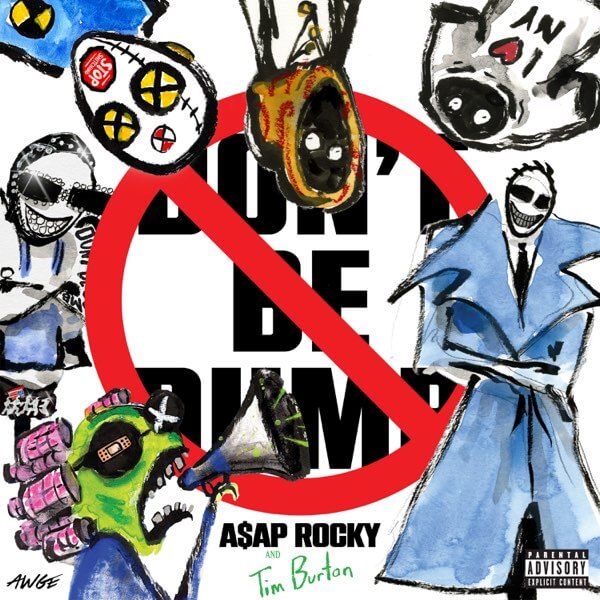 Last time A$AP Rocky released a record, Kanye West wasn’t even a Nazi yet. Let that sink in. It’s been a long eight years since 2018’s divisive Testing, but that doesn’t mean Rocky hasn’t been busy—he’s been gracing the big screen and the tabloids (the latter due to his relationship with Rihanna) the whole time, but now he’s finally back in our ears. He’s come back with one hell of a crew, too; from Tyler, the Creator to Doechii, Hans Zimmer to Paste favorite Jessica Pratt, Gorillaz to Westside Gunn, it’s clear Rocky’s pulling out all the stops. With a whopping 17 songs, the album is part experimental, part classic Rocky, but his charisma bleeds through no matter what—especially when he’s dissing Drake on “Slow Ya Flow” (shitting on Drake has become a hip-hop rite of passage for the mid-2020s, yes, but Rocky’s got one hell of a leg up considering he has three kids with Drake’s most famous ex. Banger). —Casey Epstein-Gross [AWGE/RCA]
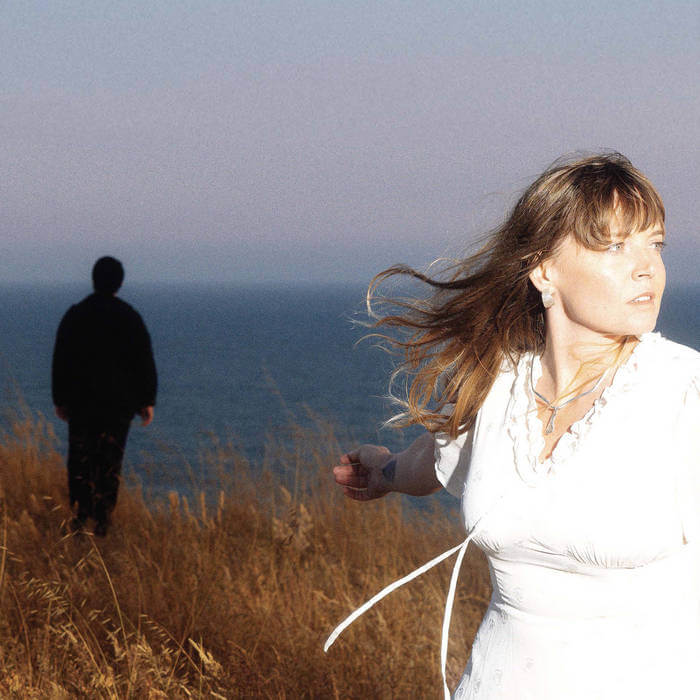 Three years and change after releasing Loose Future, Grammy-nominated singer-songwriter Courtney Marie Andrews returns today with Valentine, a stunning set of big-hearted folk songs made in Los Angeles with Jerry Bernhardt and Grizzly Bear’s Chris Bear. The music pulled Andrews out of “one of the darkest periods of my life,” she says. “Love, it turns out, is a lot more than I gave it credit for.” Valentine is warm, intimate—washed over with the Laurel Canyon sounds that flanked her recording sessions. “Keeper” is my favorite song released in 2026 so far, “Magic Touch” lives up to its cosmic title, and there’s dust falling off the heartland chords of “Everybody Wants to Feel Like You Do.” Andrews summons the greats—Fleetwood Mac, Alex Chilton, Kate Bush, even Lee Hazelwood—in a spellbinding affair. Valentine is a record in pursuit of the love Andrews didn’t give enough credit to. Most of all, it’s a record as big as you need it to be. —Matt Mitchell [Loose Future]
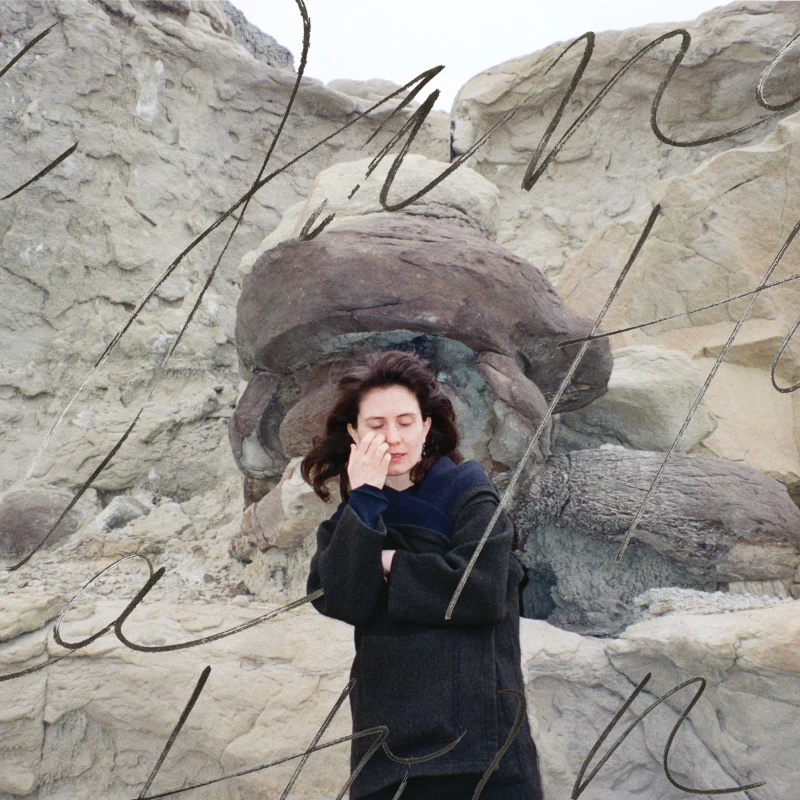 Self-titling an album three records in is usually a flex or a reset. Jana Horn’s Jana Horn is neither. Instead, it feels like a quiet narrowing of focus—a decision to trust how much can be said with very little, and how much weight can gather in the spaces between things. These songs move with a deliberate slowness, circling states of exhaustion, grief, and tentative endurance without ever naming them outright. In the excellent opening track, “Go on move your body,” motion itself recurs less as liberation than as necessity: walking, riding trains, going on because stopping would mean something worse. Throughout, the arrangements are stripped but precise: guitar, bass, and drums held in careful tension, with occasional woodwind. Horn’s voice remains hushed but unwavering, never begging attention, never retreating from discomfort. There’s catharsis here, but it’s muted—hard-won, provisional, and deeply human. Rather than announcing a definitive statement, the album documents a way of being: attentive, unspectacular, and quietly radical in its insistence on staying with the feeling until it changes, or doesn’t. —Casey Epstein-Gross [No Quarter]
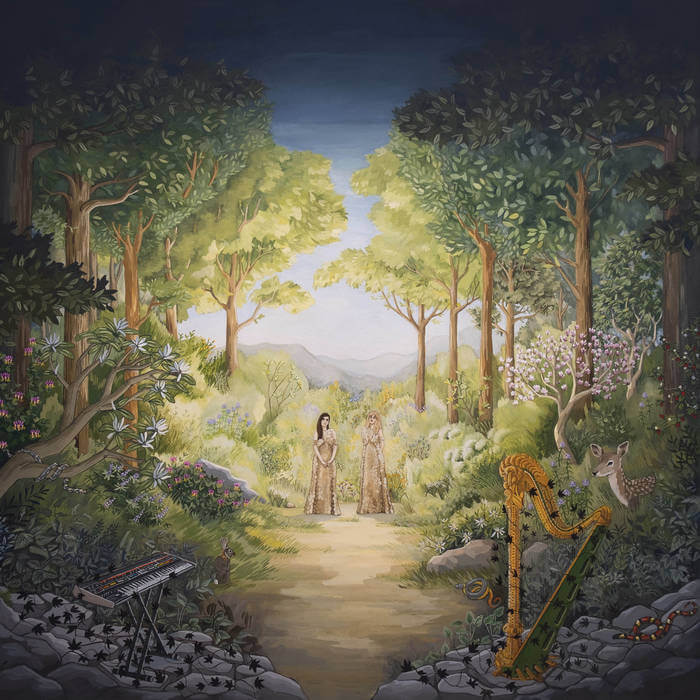 In 2025, the Musée de la Musique museum in France asked vocalist Julianna Barwick and harpist Mary Lattimore to use some of its artifacts to write music. Barwick and Lattimore obliged and wrote Tragic Magic together, a gentle ambient album full of weightless, celestial singing bodies and dainty, feathered harp plucks. These songs, even in their lightness, tell stories: “The Four Sleeping Princesses,” “Temple of the Winds,” “Melted Moon”—there’s history in this perfection, brought to life across nine days at the Philharmonie de Paris. And tucked into the fold is a generous cover of “Rachel’s Song,” a standout from Vangelis’ Blade Runner. This is two of our very best performers melting into each other. Each track on Tragic Magic is a dream awakened. —Matt Mitchell [InFiné]
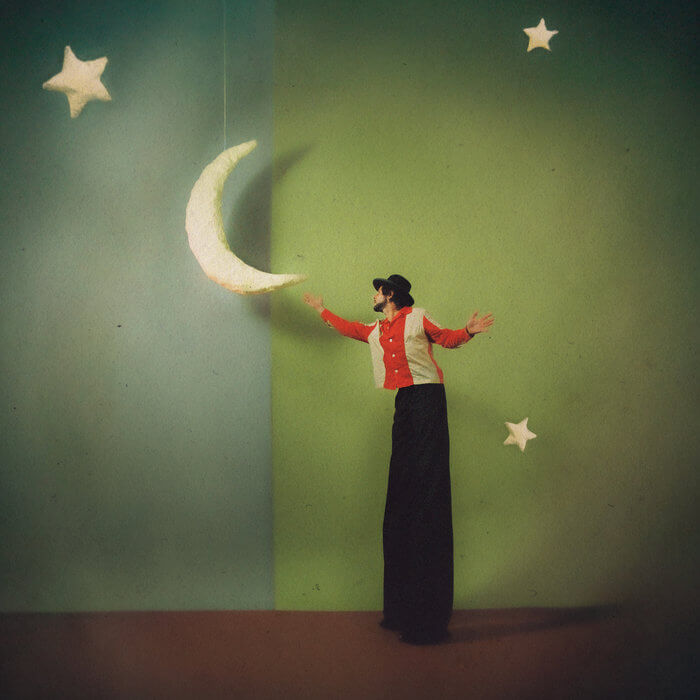 Good ol’ Slim is back and he’s gone electric on The Dreamin’ Kind. New Hope, Pennsylvania, has given us some good folk over the years: Buzzcocks’ Steve Garvey, Dean and Gene Ween, and Langhorne goddamn Slim, who sounds positively dynamite on this new batch of songs. “On Fire” burns the whole barn down, while “Rock N Roll” plugs in and blows out. Greta Van Fleet’s Sam Kiszka produced the album, and the bassist gets Slim to go all out in a seventies charge of overdriven melodrama. There ain’t no rest for the wicked on The Dreamin’ Kind, and Langhorne Slim sounds like a new man. But not even a volume knob turned all the way to the right could stop him from doting out story songs like “Engine 99” and “Lord.” This is the guy who wrote “Changes” and sang through all the strangeness ten years ago, after all. Slim tells stories for the soul. —Matt Mitchell [Dualtone]
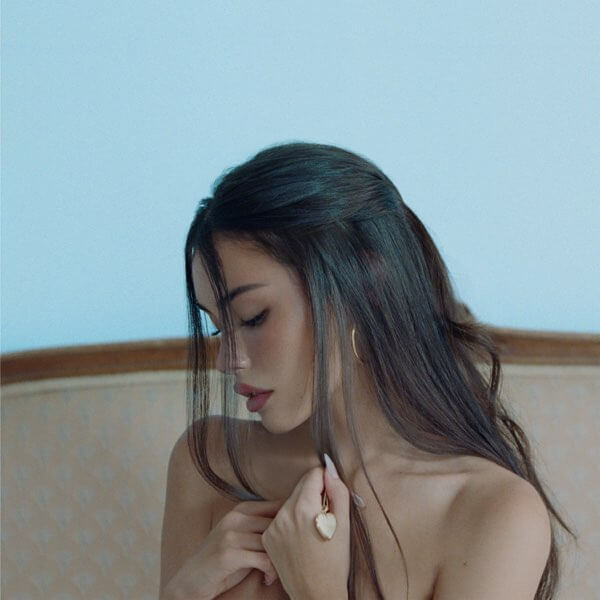 Madison Beer is, perhaps, finally ready to cut loose and dance. locket, the singer’s third album, is underscored with a playfulness that’s long been absent from Beer’s work. You can see it in how sonically diverse the album is, with Beer finally stepping away from the sleepy slo-fi pop of Life Support and Silence Between Songs and instead tapping into a wide collage of inspirations to craft pop confection after pop confection. Dark siren synth-pop bangers “yes baby” and “make you mine” are satellited in from the alternate universe where Depeche Mode was tapped to produce the Jennifer’s Body soundtrack; “complexity” pings with garage breakbeats and glitchy 8-bit bleeps; “for the night” is a booty-call yearner track reimagined as a 60’s crooner jam. And with more fun comes more focus, too. Finally, Beer’s songs have the space to grow and expand, and it’s satisfying to watch how they build—take, for example, the way “angel wings” mutates at the end into a distorted, zombified outro, as if the song had been vacuumed into a nocturnal underbelly of desire. All you can do is dance. —Lydia Wei [Epic/Sing It Loud]
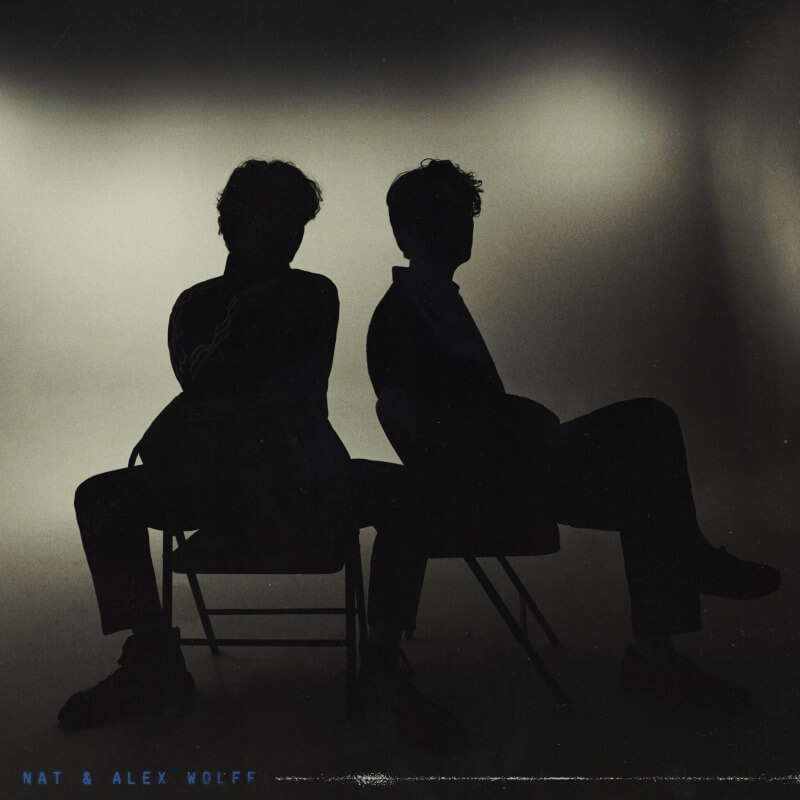 In their first musical iteration as The Naked Brothers Band, Nat & Alex Wolff had a knack for churning out endearing, kid-friendly homages to vintage rock and ‘60s bubblegum pop (“Banana Smoothie,” “I Don’t Wanna Go To School,” “If That’s Not Love”). Their self-titled fourth album, Nat & Alex Wolff, is a mostly pleasant and occasionally playful pastiche that certainly offers a lot more variety and personality than their last album, 2023’s dreary Table for Two. It’s also nice to hear the brothers attempt to flex their creative muscles again outside of their film performances, especially Alex, who’s made waves in both indie and commercial features over the past decade. —Sam Rosenberg [Coup D’Etat Recordings]
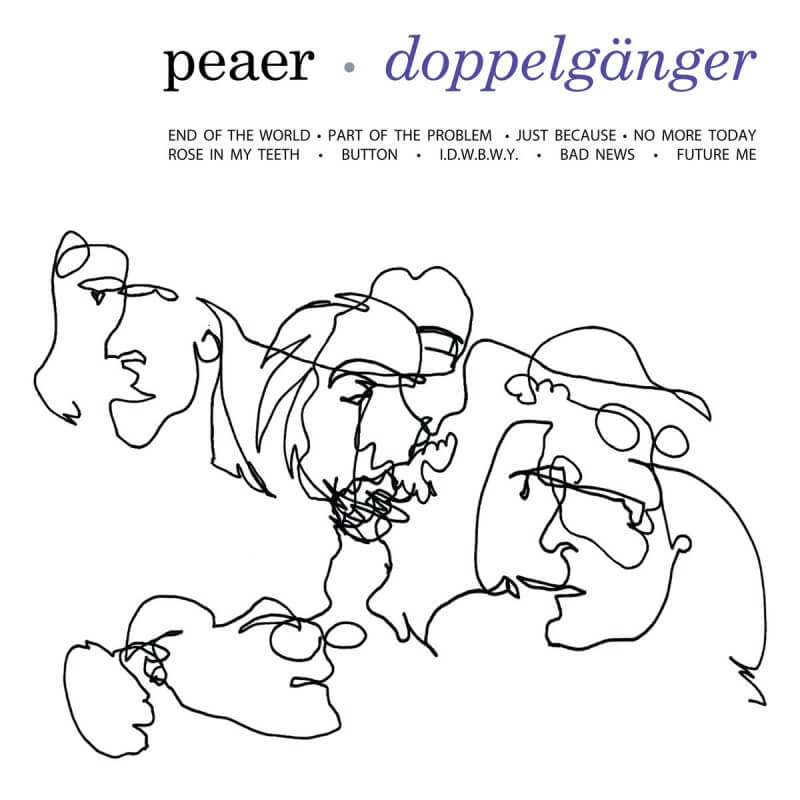 On Doppelgänger, Peaer turn self-confrontation into structure via a rare kind of temporal overlap. Written across more than a decade and partially rebuilt from early demos, the album stages a conversation between past and present versions of the band, with frontman Peter Katz confronting ideas he once set aside rather than replacing them. Old thoughts resurface, habits refuse to die, younger versions of the self peek through the seams. Rather than smoothing over that dissonance, the band leans into it: guitars click into tight, mathy patterns before drifting into something hazier and more exposed; songs hover between motion and suspension, precision and doubt. Katz writes about aging, politics, work, and anxiety without chasing catharsis or revelation, lingering instead in half-formed thoughts and low-grade dread. Doppelgänger doesn’t frame this material as a reinvention or a return, but as an accumulation—an album shaped by the persistence of old ideas and the changed perspective brought to them. —Casey Epstein-Gross [Danger Collective]
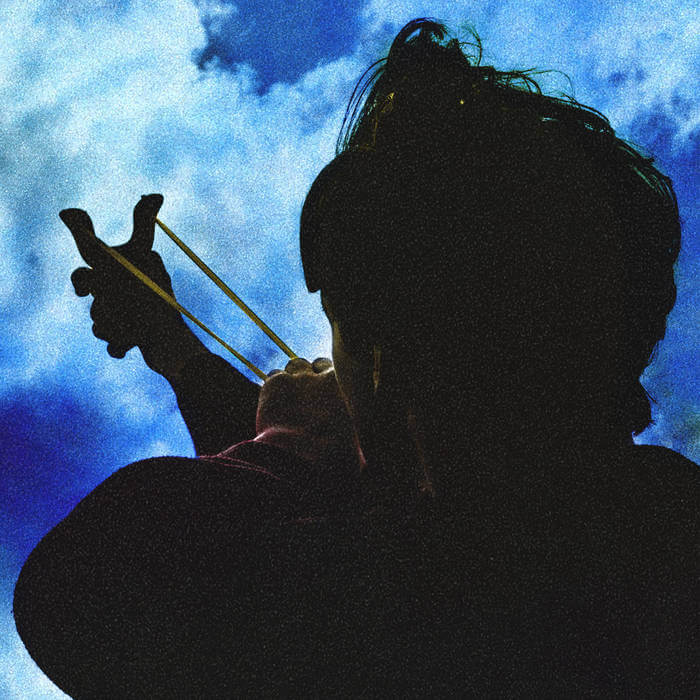 Calling it now, 2026 will be the year of the cowboy. Westside Cowboy’s second EP, So Much Country ‘Til We Get There, shows the Manchester band’s sound not only stabilizing but widening—“so much country” not as a promise of genre fidelity, but as a mischievous warning label. “Don’t Throw Rocks,” So Much Country’s first single, is the most overtly kinetic—built around the sensation of acceleration itself, each section tightening the screws until it spills into a kind of breathless release. Other songs loosen their grip. Standout track “Strange Taxidermy,” led by Aoife Anson O’Connell, pulls the band into a quieter, stranger register: intimate without being precious, folk-adjacent but unsettled, its restraint feeling deliberate rather than decorative. It’s a song that lingers long after it’s ended, O’Connell’s hauntingly clear voice echoing somewhere in your skull. Elsewhere, the band lean into repetition and propulsion as a form of doubt-management—lines circling back on themselves, guitars flickering between urgency and weariness, voices overlapping not for polish but for reassurance. Even the more anthemic moments carry a sense of impermanence, as if the songs know they’re provisional, trying things out in real time. The EP doesn’t resolve these impulses so much as hold them together, documenting a band testing how many directions they can move at once without coming apart. And it’s damn fun, to boot. —Casey Epstein-Gross [Nice Swan Recordings]
 Keep scrolling for more great stories.