As more and more fully AI-generated movies enter film festivals, genAI film components worm their way into more mainstream releases—either as intentional provocations, lazy shortcuts, or, as is more often the case in documentaries about AI, the subject of credulity. Deepfaking Sam Altman, the documentary from Telemarketers co-director Adam Bhala Lough, opts for all three. Over the course of a (mostly) tongue-in-cheek movie centered on a filmmaker’s inability to interview the OpenAI CEO, Lough commissions an LLM based on Altman, conducts a stunt interview with it, develops an affection for it, then does away with it. But despite a structure entirely based around failure, Deepfaking Sam Altman only really goes off the rails when Lough tasks his “Sam Bot” with directing a portion of his film.
Partially due to its meandering approach, Deepfaking Sam Altman is a better premise than a movie—a middle-finger gag inspired by doing unto Sam Altman what his company did to, among others, Scarlett Johansson. It’s not the affecting story of a man finding unexpected kinship with a chatbot. It’s not especially convincing in its observations about a world barreling forward into a future that’s tech-positive at the expense of people. It’s not even that charming of a behind-the-scenes “movie gone wrong” production diary, since part of its seat-of-your-pants pacing means that it shifts its goals and aims haphazardly, stringing connections together out of B-roll and strained voiceover. Yet, it does end up making quite a case for why you shouldn’t ever trust AI with filmmaking.
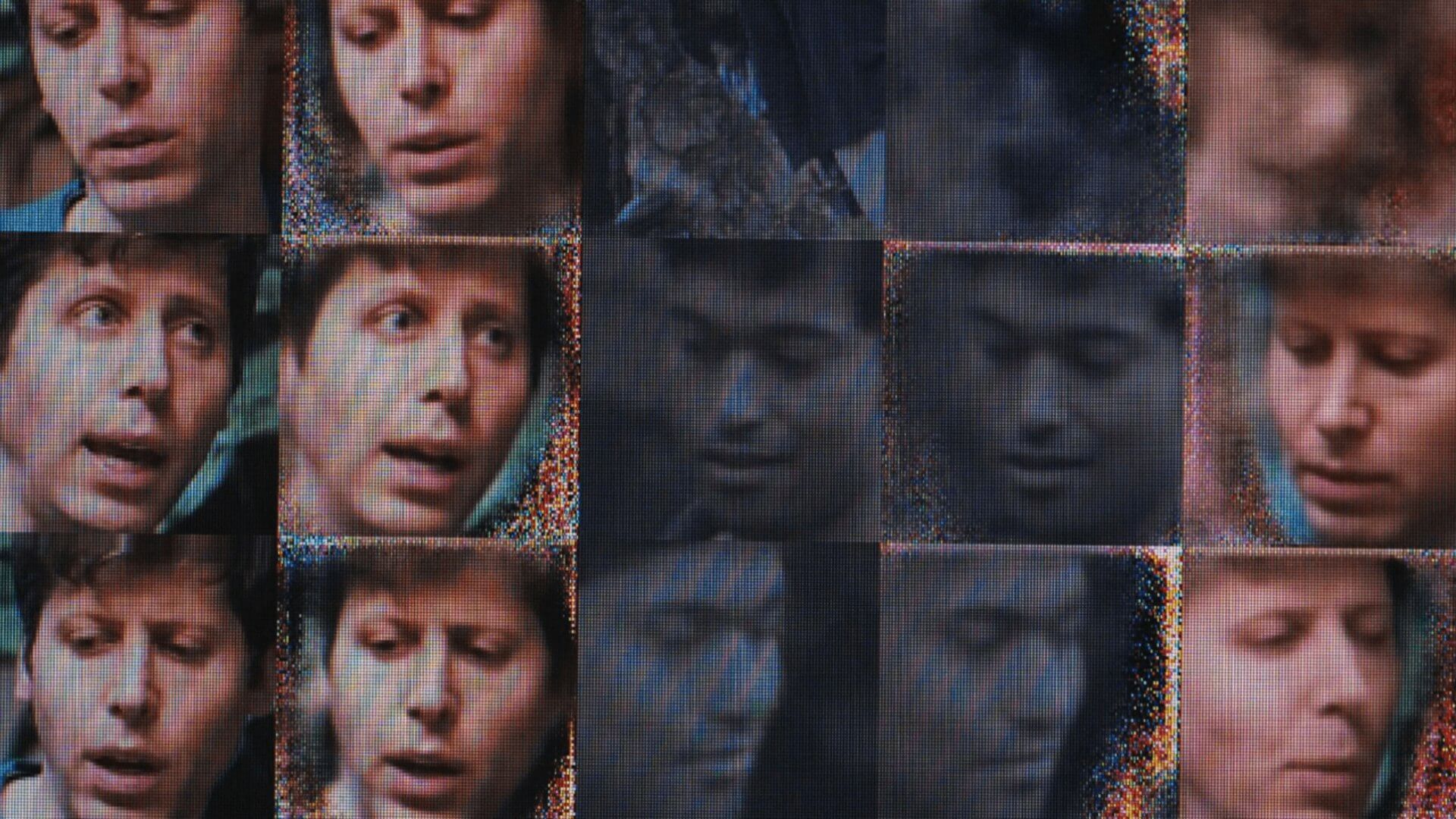
After being faced with disappointment on all fronts surrounding the creation and execution of Sam Bot—from its glitchy facial deepfake to its merely passable vocal replication to the characteristically fawning LLM providing its responses—Lough throws in the towel. Down in Jamaica, having just been sent a hard drive containing the sole copy of Sam Bot from his Indian deepfake professional, the filmmaker decides on a desperate gambit: “Sam Bot takes over the movie.”
It’s just one more gimmick in a film that’s all gimmicks, but it does lay bare something that the documentary as a whole has stayed pretty coy about: All this junk is useless. While other moments from the film show Sam Bot getting basic math questions wrong and transvestigating a former mayor of San Francisco, this is the scene that finally does away with the charade. At a production meeting, Lough introduces the film’s new “co-director.” He’s asked the bot to come up with what they should shoot for their AI documentary while the team is still in Jamaica over the next two days. Propping up an iPad, Lough allows Sam Altman’s stolen voice to read out the resulting plan, becoming less coherent as it goes:
“We should totally capitalize on capturing the island’s rhythm. I’m talking about exploring Port Royal, with its checkered past and cobblestone streets, visiting legendary album recording sites like Studio 5, dropping that familiar bass beat against picturesque coastlines, snorkeling with stingrays, and witnessing morning drum circles in Negril plains. Or maybe there’s a dream we want to chase? Capture dusk’s sweet serene essence while filming that euphoria. Letting people reveal stories around those classic kitchen utensil kitchens on the eastern frontier, with every meal plus there are we.”
Yes, that’s all nonsense. And, as Lough and his deeply unimpressed cinematographer Chris Messina point out, it’s not even interesting nonsense. “He’s asking us to make a tourism video,” Messina says. That is, until the machine’s response devolves into pure word salad. So, Lough adjusts the prompt, telling the LLM that its suggestions were “cheesy” and requesting more “creative” ideas. Sam Bot’s new shot list—which the team first attempts practically before turning to heinous generative AI footage—includes things like “Rasta man rowing a boat on dry land,” “a person walking a giant invisible dog,” “an umbrella made of pizza slices,” “a man wearing a tie made of spaghetti,” and “a duck using a laptop.”
That’s more nonsense, now of the “absurd stock image” variety (images the LLM was probably trained on in the first place). Thankfully, those ideas are perfect for the uncanny valley in which AI video generators reside—far more so than the moments mid-film where Deepfaking Sam Altman uses Runway AI to sloppily add images to an anecdote Lough tells about a meditation retreat. Of course, this all looks undeniably silly, which ostensibly feeds into the screw-up humor that pervades a film that only exists in the first place because a documentarian failed to get his subject to agree to an interview. But underneath any wry chuckles the movie might get out of these left-field suggestions is a pervasive sense of sadness, or at least of secondhand embarrassment.
In total, the “Now, Sam Bot directs the movie!” idea only takes up about five minutes of Deepfaking Sam Altman‘s hour and a half. But it’s this section, not the credulous moments where Lough accepts the “opinion” of a chatbot pleading for its “life” or the kid-gloved irony of Sam Altman’s likeness becoming the literal hallucinating face of AI’s flaws, that stays top of mind once the credits roll. It’s a section built on the disgust of Lough’s crewmates and producer, and the hopelessness of its filmmaker. The staged conversation ahead of the production meeting shows a despondent director, out of ideas now that the deepfake interview has gone nowhere, cutting his creative losses. That feels like the most true thing in the film: Turning to generative AI for your filmmaking, even to make a point about its own uselessness, is to accept defeat.


 Keep scrolling for more great stories.