
Eli Roth finally breaks down why Borderlands sucked
"You got something that belonged to nobody," the Ice Cream Man director said of his 2024 video game flop.
Eli Roth in Borderlands. Photo Credit: Katalin Vermes
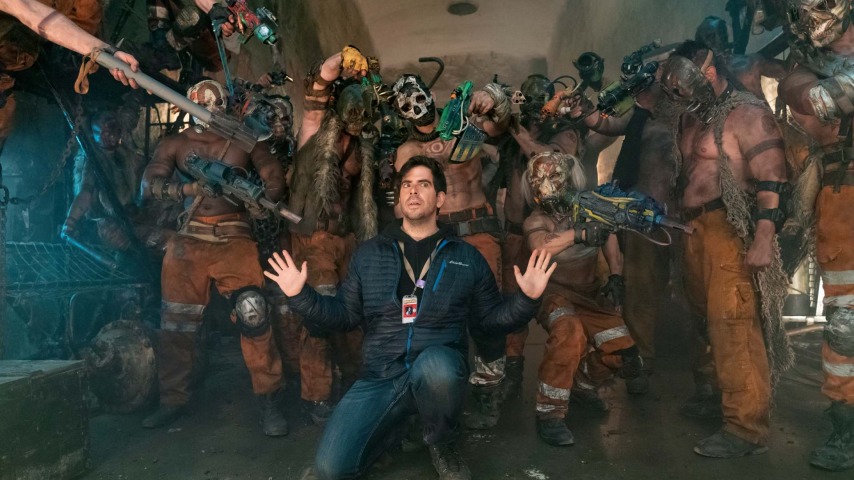
Eli Roth is currently on the press tour for his new movie Ice Cream Man, which means he’s also on a sort of unofficial explanation tour for his last movie, 2024 box office bomb Borderlands. As it happens, Roth has made responsibility-deferring noises about the infamous video game adaptation before, including stating, in 2025, that he genuinely didn’t know what the movie would even look like when he initially sat down to see the completed package in theaters. (Thanks to having been working on horror movie Thanksgiving while reshoots on the movie were being performed.) Now, he’s given new comments on the film’s failure, suggesting that the real problem was letting himself get sucked into the big-budget studio system at all.
 Keep scrolling for more great stories.