
Elle works only if you forget that it's a Legally Blonde prequel
The Prime Video dramedy tarnishes Elle Woods' reputation by repeating her first onscreen outing beat by beat
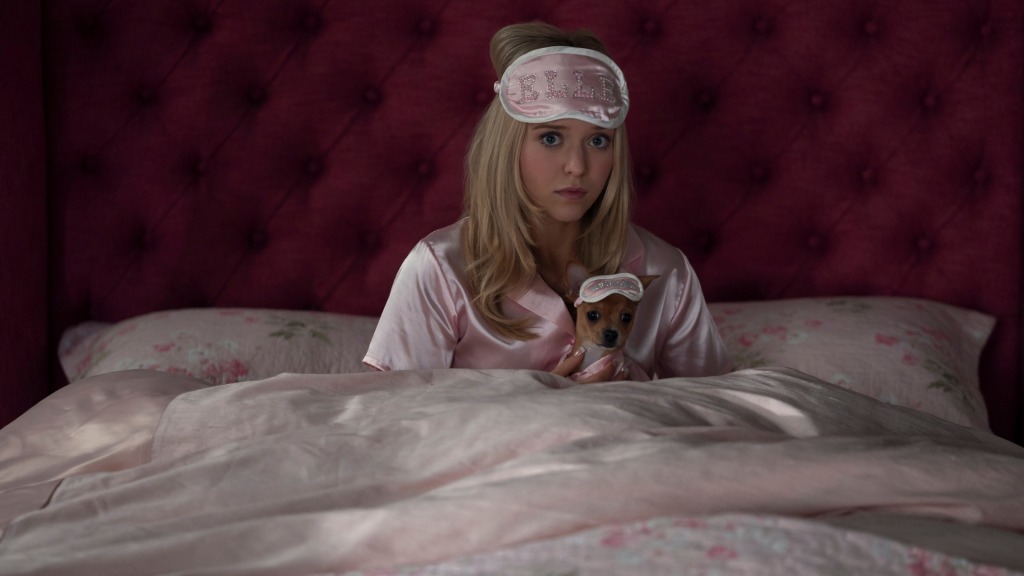
Lexi Minetree (Photo: Kimberley French/Prime Video)
Twenty-five years after it was first released, Legally Blonde remains immensely watchable. The movie’s sharply written, heightened comedy hasn’t grown dated or any less irreverent; neither is its message of not judging a book by its hot pink, bedazzled cover. If anything, Legally Blonde‘s endurance has only proven what a singular film it is; vibrant world and bubbly, confident figures like Elle Woods have proven hard to replicate (Barbie notwithstanding). Not even 2003’s follow-up film, Legally Blonde 2: Red, White, And Blonde, could capture the original’s lightning-in-a-bottle magic, so what chance does a streaming prequel series have?
Elle is so distinctive in her first onscreen outing, so precisely and amusingly rendered, that neither a Washington D.C.-set sequel film nor a Washington state-set TV show (or a musical and reality TV spin-off, for that matter) have done justice to her. Prime Video’s new Elle confoundingly follows the same narrative beats as the first Legally Blonde, retracing the movie’s steps instead of creating anything of its own. By nature, the series is meant to fill in the gaps of who Elle was before she was dumped, enrolled in Harvard Law School, and landed an illustrious career as a lawyer and congressional staffer—all while suiting up in six-inch heels, a pencil skirt, and an unbeatably cheery attitude.
The film already established that Elle had a posh Los Angeles upbringing. It’s what made her and her pet chihuahua outcasts at Harvard—unlike gregarious Elle, most of her peers were smug and dour. Elle places her in a similar situation when, at age 16, she’s forced to relocate from sunny LA to gloomy Seattle after her father botches a client’s nose job. So six years pre-Harvard, she’s trapped in another situation where her personality makes her a pariah. Elle prefers blush tones, has an overtly positive mindset, and is out of touch compared to her hippie classmates who love grunge, flannel, and fighting for social justice. As is her wont, though, Elle wins them over. Series creator Laura Kittrell and showrunner Caroline Dries are so inspired by Legally Blonde that they copy it to a T to the prequel’s detriment.
Inside Elle are two clashing shows. One is a formulaic yet enjoyable YA dramedy about a fish out of water who needs to learn how to swim in a dreary sea. It’s a corny, classic coming-of-age tale about learning to adapt, survive, and thrive. This side of the show has a significant cringe factor, but Elle has the sincerity to pull it off. There’s a sweet focus on the protagonist’s relationship with her socialite mother, Eva (a fantastic June Diane Raphael), who’s a breath of fresh air as she undergoes her own identity crisis while working for a mayoral candidate (the late James Van Der Beek in his onscreen final role). And her daughter is worth rooting thanks in large part to relative newcomer Lexi Minetree, who brings a huge degree of the goofy, charming earnestness that made Witherspoon’s rendition of Elle shine.
 Keep scrolling for more great stories.