Before the age of social media, one of the few places where filmmakers could illustrate how they executed a certain shot or go deep into the decisions that went into a certain scene were DVD special features or special making-of documentaries. Typically, these featurettes were released after the movies themselves were long out of theaters. Today, though, the strategy of explaining one’s craft is part of the marketing roll-out ahead of and during the movie’s release. No longer just of interest to gearheads and fellow filmmakers, even casual cinephiles are tuning in to learn more about a movie they’re excited to see.
Last year, Ryan Coogler made the viral rounds with his cinematographer Autumn Durald Arkapaw as they discussed the challenges and opportunities of filming with IMAX cameras for Sinners. With no IP to coast on for their original blockbuster, Coogler and his team instead leaned into their process.
Through his production company’s podcast, In Proximity, Coogler highlighted Arkapaw’s work behind the camera and the score from his longtime collaborator Ludwig Göransson—both of whom would go on to win Oscars. Later videos and interviews highlighted other behind-the-scenes talent and their stories, expanding the public’s knowledge of what it takes to make a movie and just how much work goes into them. Even after Sinners, Coogler continues to use In Proximity to talk to fellow directors and filmmakers about their craft, like Maggie Gyllenhaal discussing her approach to directing actors and I Love Boosters costume designer Shirley Kurata walking through her inspirations for that movie’s outfits.
To get the word out about I Love Boosters, not only did Boots Riley put in extra time to let the internet know the movie was out in theaters, he did so by sharing insight into his creative process. In one of the promotional videos after the film’s release, Riley and his cinematographer Natasha Braier explained how she played with her custom-made Panavision lens. In another video, Panavision engineer Dan Sasaki explained the science behind the creation of the custom lens while Riley talks to the camera, explaining in everyday terms what these changes do to the image we see on screen. Like Coogler, Riley also highlighted other members of his crew, including Blind Beagle VFX, who created some of the surreal physical set pieces, including the Raiders Of The Lost Ark-inspired ball of worries following one of the film’s main characters.
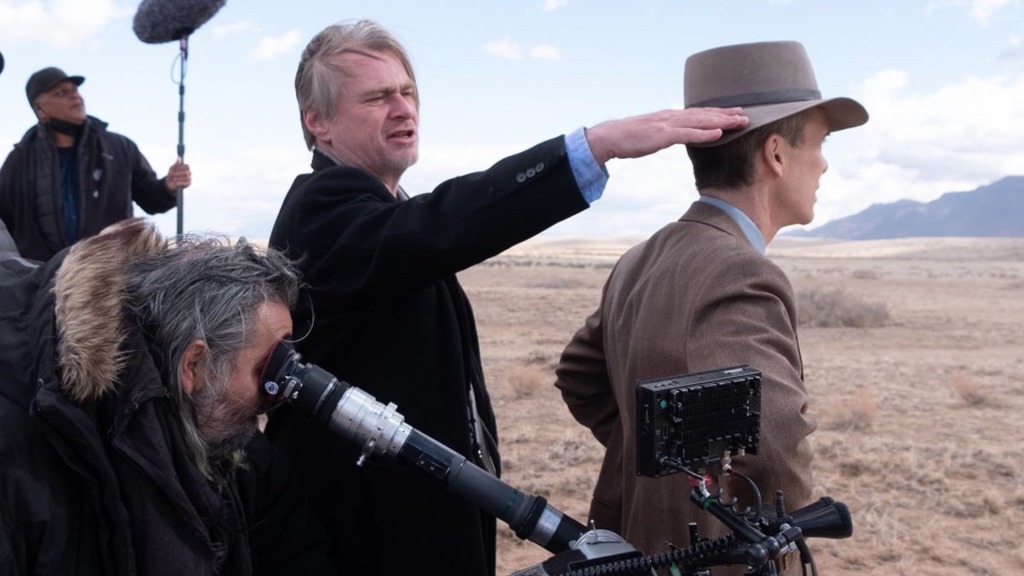
Years before Christopher Nolan rode into theaters with The Odyssey, he led the IMAX charge to conquer Hollywood. His second Batman movie, The Dark Knight, was the first narrative feature to use an IMAX camera at all; now Nolan has shot the entirety of The Odyssey with an IMAX camera. Nolan has spent years extolling the benefits of filming in a large format, informing both technically savvy viewers and average moviegoers about the benefits of this approach, and why it’s different than the majority of one’s trips to the theater.
As someone who has made the technical side of filmmaking part of his public persona, Nolan is poised to continue his mission of educating his audience. It’s not at all out of character for Nolan to demonstrate the process of working with IMAX-sized 70mm film in an interview with Scott Pelley on 60 Minutes, which is just one of the ways that Universal has featured the IMAX camera ahead of the film’s release, boosting it alongside Matt Damon, Anne Hathaway, Tom Holland, and Zendaya, as if it were just another star.
These videos demystifying the filmmaking process behind some of the year’s biggest movies are no longer there just to beef up the menus of a DVD, they’re part of the conversation. In the Letterboxd era, where some devoted young cinephiles will log films by where and in what format they saw a movie, these clips speak to the interests of a new generation—and their bite-sized accessibility makes it easy to share among friends and followers alike. They’re marketing moves that feel less like a billboard or sponsored ad, and more like a mini-masterclass for film appreciation. The magic of the movie isn’t lessened by these peeks behind the curtain, only deepened by the filmmakers’ infectious enthusiasm for sharing their craft.


 Keep scrolling for more great stories.