
Paolo Sorrentino indulges in the low-key fantasy of an admirable politician in La Grazia
The director dreams up something fantastic in his contemplative and autumnal reflection on life.
Photo: Mubi
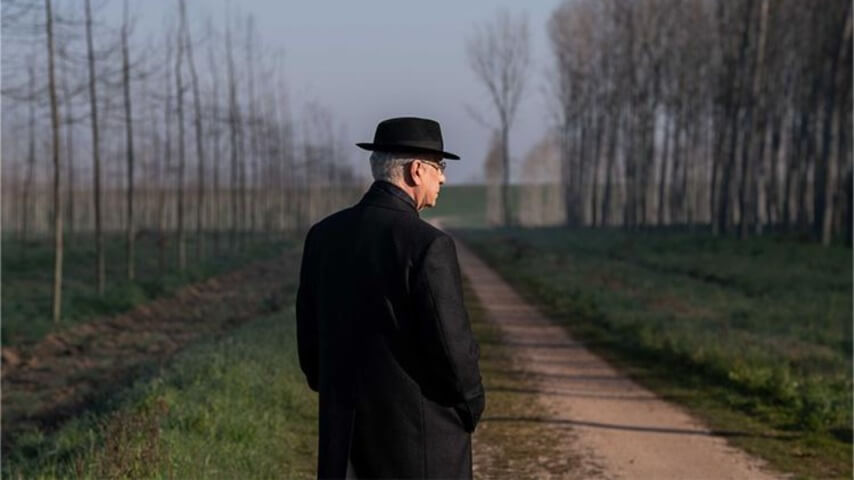
Mariano De Santis isn’t a real politician, but you may wish he was. As played by Toni Servillo, he’s a man of deep intelligence with a strong moral compass who is the president of Italy, his term over in about six months. De Santis’ reign has been a successful one, although his passion for the job, not to mention life, has never been the same since the death of his beloved wife almost a decade ago. But before he leaves office, he will need to make some decisions that could affect his legacy—not to mention challenge his conscience. La Grazia salutes simple, humble decency, and writer-director Paolo Sorrentino follows the example of his protagonist, largely avoiding the usual array of visual flourishes that have marked his previous collaborations with Servillo. The result is a decidedly reflective film that’s among the director’s most affecting.
In Sorrentino’s films Il Divo and Loro, Servillo played notorious disgraced politicians—respectively, Giulio Andreotti and Silvio Berlusconi—and tapped into the poisonous allure of power. La Grazia serves as a counterbalance, the director and actor imagining a leader one could actually admire. As the movie begins, De Santis stands on the roof of his presidential home, indulging his one vice, a secret cigarette far from the watchful eye of his dutiful daughter Dorotea (Anna Ferzetti), his brilliant chief of staff, who wants him to be mindful of his health. He can feel the clock counting down to his return to private life, which he is looking forward to, although he needs to focus on a proposed bill that will legalize euthanasia—a controversial piece of legislation for a devout Catholic who’s close friends with the Pope. Plus, he must decide on possible pardons for two convicted murderers. In different ways, his final days in office will involve literal life-and-death matters, forcing him to balance his religious beliefs and his extensive experience as a respected jurist. De Santis could leave the euthanasia debate to his successor, but he refuses to pass the buck. On some level, all three decisions feel like a referendum on him as a president and as a man. The weight of making those choices is heavy on his mind.
 Keep scrolling for more great stories.