We’re back with another “worst of” list. On Monday, we picked the worst songs of the year. You’ll see some repeats here, but there are a few new entrants who made some woefully disappointing or downright offensive records in 2025. We’re not giving the floor to any alt-right grifters or AI bots this time. Instead, we’re covering albums that somebody probably enjoys but shouldn’t. Here are the 15 worst albums of 2025.
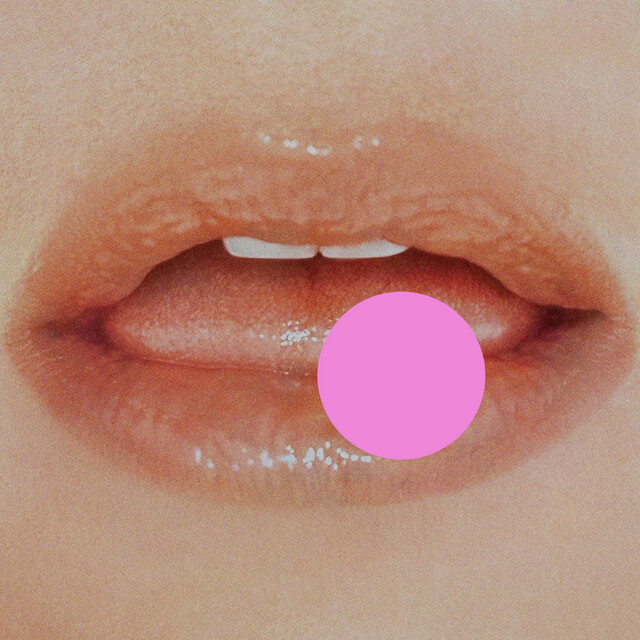
15. Kesha: Period
Kesha’s party pop comeback could’ve really been something. After being stuck in contractual hell for a decade and experimenting with different styles and genres, she touted her latest LP, which she released on her own label, as a pure, emotionally cathartic expression of personal and creative freedom. Sincere and well-meaning as that intention may have been, Period reads more like a zeitgeist-chasing retread than a genuine victory, hearkening back to Kesha’s early days making rowdy-and-proud bops in spirit more than in technique. It’s hard to buy the earnest messaging and DGAF energy when the album simply regurgitates Top 40 pop tropes and clichés and waters them down into deadening, uninspired dreck. The “let people enjoy things/y’all just hate fun” crowd can have this one. —Sam Rosenberg
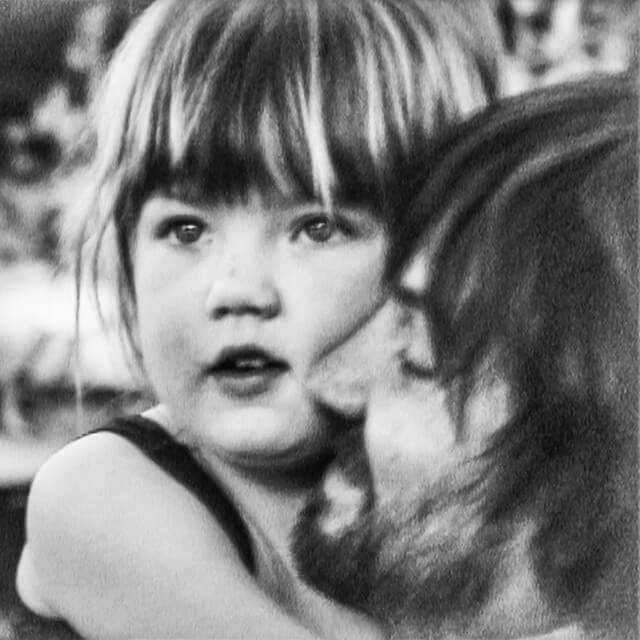
14. Tame Impala: Deadbeat
In the epic closer to his 2015 masterpiece Currents, Kevin Parker sang about his fear of change and not knowing if he’ll make the right choices as he grows into a new version of himself. Ten years later, that anxiety almost reads as hauntingly prophetic in light of the Australian indie rock artist-turned-pop producer’s release of Deadbeat, inarguably his weakest record to date. Save for “Loser”’s slinky groove, Parker’s fifth LP as Tame Impala is listless and frustrating, filled with forgettable rhythms and navel-gazing lyrics that are a far cry from the sonic electricity and introspection that fueled his previous work. Even though Parker seems to be taking a more lax approach to his music now that he doesn’t have much to prove, the whole endeavor feels so ambient and dull, it practically evaporates as you’re listening to it. —Sam Rosenberg
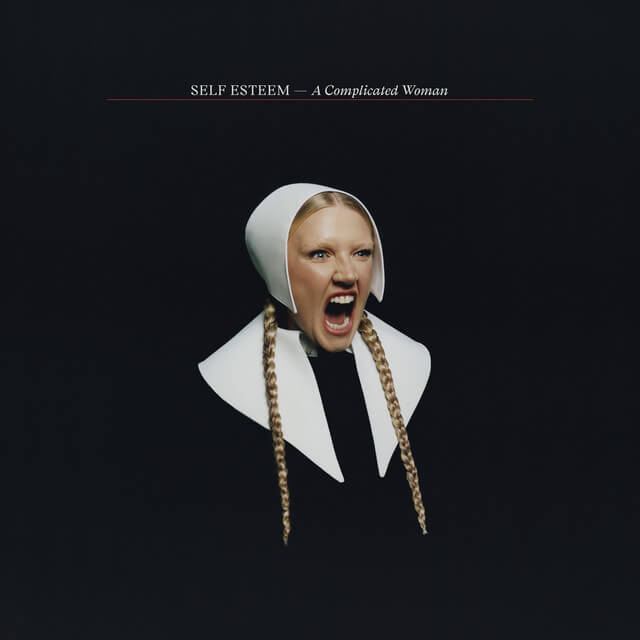
13. Self Esteem: Complicated Woman
The critics who glazed this record should get lobotomized. —Matt Mitchell
12. Frankie Grande: Hotel Rock Bottom
I can actually smell this album. It reeks of wet buttcrack and nauseating “it’s giving” exclamations. Frankie Grande makes music not for the Troye Sivans of the world, but for the JoJo Siwas. This is a terrible, awful caricature of gayness performed by a guy whose 5th place finish on Big Brother has trapped him in a listless spin-cycle of strap-ons, dick, and ketamine. The least sexy music of all time. Clearly all of the talent in the Grande family went to Ariana. —Matt Mitchell
11. Benson Boone: American Heart
Benson Boone has no songs where he needs to be doing this. Why is he doing Olympian-level acrobatics to some of the tamest tunes this side of the dentist’s waiting room? The best thing about American Heart, Boone’s second album, is that it’s shorter than an EP from Sufjan Stevens. Although mustachioed Discount Paul Mescal has vocal chops, they lack any sort of compelling vehicle, like a guy singing a showstopping a cappella rendition of “Baby Shark.” If anything, his prowess ends up sounding vacuous, with no idiosyncratic edge or bite to encourage closer listening. It’s perfectly pleasant music, much the way Harry Styles’ new-wave pastiche sounds mildly pleasant, or the nigh-flavorless bubbles of La Croix taste slightly sweet when the only other option is room-temp water. But its agreeability is perhaps its central flaw. American Heart is wholly incapable of making you flip out. —Grant Sharples
10. mgk: lost americana
Can you get CTE from losing a rap beef? —Matt Mitchell
9. Alex Warren: You’ll Be Alright, Kid
On our worst songs list earlier this week, I called “Ordinary”—arguably 2025’s most painfully bland hit—the final boss of coworker music. Sadly, there are exactly twenty more songs where that came from, and all of them live on You’ll Be Alright, Kid, which sounds less like an album than a bulk order of “Ordinaries.” Every track arrives pre-softened, pre-swollen, and pre-approved, built from the same limited toolkit—mid-tempo builds, echo-soaked vocals, inspirational murmurs, hyper-religious imagery—rearranged just enough to technically count as different songs. Technically. The result is a 21-track blur of beige uplift where every chorus insists something profound is happening and none of it ever does. It’s music engineered to feel important without ever risking specificity, personality, or thought, which makes it unforgivably boring—the worst crime an album can commit. Across songs like “Chasing Shadows,” “Heaven Without You,” and “Who I Am,” love is vague, pain is generalized, faith is gestured at but never interrogated, perseverance is treated as a marketable attitude, and all of it is sung at maximum emotional volume. Alex Warren writes like someone terrified of alienating anyone, anywhere, ever—which, to be fair, is exactly the content creator mindset that brought him Tiktok fame in the first place. Unsurprisingly, his approach to music is similar, oriented less towards expression than optimization. Forget l’art pour l’art; this is l’art pour l’algorithme. This is music that doesn’t want to challenge you, surprise you, or even linger in your memory; it just wants to exist everywhere, all at once, until you stop noticing it—like oxygen or gravity or clinical depression. What Warren has created isn’t a musical identity but a repeatable process: step one, reverse-engineer a hit from Spotify’s “Mood” playlists. Step two: ??? Step three: profit. And unfortunately for the future of pop music, it seems to be working. —Casey Epstein-Gross
8. Jessie Murph: Sex Hysteria
Somebody online described this album better than I ever could: “Music for girls that are attracted to guys that love Jelly Roll.” —Matt Mitchell
7. Rebecca Black: SALVATION
The title is wrong. SALVATION is anything but. So much of this music pulls from the exciting new bastion of K-pop music coming out right now, like the work of Aespa or TWICE, yet it’s all so generic, out of vogue and woefully misguided through half-baked gestures of drum’n’bass and hyperpop. It’s a bad pop album that doesn’t have juice, or any semblance of an “it factor.” It’s sticky but far from sweet, as songs like “TRUST!” and “Do You Ever Think About Me?” could pass for any raggedy dance track spilling out of department store stereos. This is pop excess without any density; the kind of music that doesn’t bore you, because you were never paying attention to begin with. SALVATION is Rebecca Black’s attempt to mask her lack of talent with bizarre beat choices, forgettable melodies, and a dulled edge. She told Apple Music that the album is based around “this idea of letting some of the less-safe, less-poised, less-sweet versions of myself into my world.” If songs like “American Doll” and “Twist the Knife” are meant to be risky, I pity whoever gets duped into thinking any of this sounds ground-breaking or envelope-pushing. It’s nonsensical too, with lyrics like “American doll / Smashin’ her head into the wall / What? / She don’t want money, she don’t need friends / Blades in the honey, confusin’ the men.” To borrow a phrase from Black herself: What?
But this is not Rebecca Black’s failure to shoulder by herself; there is more than enough blame to go around. Out of the seven producers and 13 writers credited, not one of them pointed her in the right direction. And, considering how good at DJing she is—a vocation that has earned her Boiler Room and Coachella sets—there’s no denying that her curation can be terrific, which makes the crash-out of SALVATION all the more frustrating to witness unfurl. On the cover of the album, Black is holding a bedazzled glock. If I was her, I’d start pointing it at the people who told her it was a good idea to release these songs. —Matt Mitchell
6. Morgan Wallen: I’m the Problem
37 generic, aimless country songs from the worst guy you know. A tasteless, toxic collection of flimsy music that’s pregnant with cliché and self-flagellation. Testosterone at its worst. Two confusing hours of lousy, stream-hungry ideas good for the algorithm but poison for the human soul. The CIA and DIA should add I’m the Problem to their list of interrogation techniques. I’d rather be waterboarded than hear Morgan Wallen use Keith Whitley’s alcoholism as a metaphor for his own pretty-boy, slur-spitting crashouts in Nashville. Not even God’s country wants this dude back. —Matt Mitchell
5. Sun Kil Moon: All the Artists
4. Will Smith: Based On a True Story
There are many ways to process public humiliation. Therapy is one. Silence is another. Virtually any option would be preferable to making a 50-minute rap album about how you’re actually the bravest, wisest man alive, but unfortunately for us all, that is exactly what Will Smith did. Bafflingly, Based on a True Story sees Smith treat the 2022 Oscars slap heard ‘round the world as a grand spiritual trial, a cultural reckoning from which humanity was meant to learn. It was a slap. You slapped a guy. Years ago. Why are you relitigating this now, spoken-word style? As the album drags on, even the pretense of self-reflection drops away, and all that’s left is a grown man forcing audiences to watch him work through a humiliation fetish with a microphone, a self-help book, and no safe word. Corny as always, Smith’s comeback fuses dad-rap, therapy-speak, and youth-pastor motivational sludge, all in service of proving he’s “unbothered” while obsessively documenting how bothered he is. The writing swings between delusional self-mythology (“I’m a icon, somebody you could base your life on”) and bizarre Hallmark-grade platitudes (“Life gon’ keep lifin’, knives gon’ keep knifin’”) while the production piles on choirs, trap drums, and gospel theatrics that can’t disguise the core problem: he still raps like it’s 1999 (stiff, slow, anachronistic), except now he’s angry that time moved on. Based on a True Story goes beyond merely being bad music. It’s a vanity project posing as accountability—a self-appointed redemption arc with no insight, no perspective, and no reason to exist. If this is Will Smith reclaiming his voice, it’s hard to imagine anyone asking him to use it again. —Casey Epstein-Gross
3. Taylor Swift: The Life of a Showgirl
For years, Taylor Swift’s cultural dominance felt as inevitable as death and taxes. The Life of a Showgirl is the first time it’s felt negotiable (seriously; I didn’t even get death threats for criticizing it on Twitter). This album doesn’t mark a reinvention so much as a reveal: the sound of a popstar completely out of touch with both her audience and herself, flailing for meaning inside a perfectly climate-controlled vacuum. Even Max Martin and Shellback—two of pop’s most reliable hit engineers—sound trapped here, reduced to recreating the idea of pop rather than anything remotely alive.The real disaster, though, is the lyricism. “Eldest Daughter” is so clogged with dated slang (“we looked fire,” “this isn’t savage”) it collapses into secondhand embarrassment, while “Wi$h Li$t” repackages trad-wife ethics as enlightenment, delivered from the mouth of someone whose “off-the-grid” fantasy still includes private jets. Three songs—“CANCELLED!,” “Actually Romantic,” and “Wood”—even earned spots on our worst songs of the year list, all deservedly: an attempt at grievance cosplay for the unimaginably powerful, a diss track that humiliatingly punches down and still misses, and a bafflingly unsexy infomercial for Travis Kelce’s penis (“redwood tree,” “magic wand,” “hard rock”) that’d make a 12-year-old’s AO3 erotica sound subtle.
Really, everything wrong with The Life of a Showgirl is right there in the title: there’s no life here, and absolutely no showgirl. It’s an album about spectacle with nothing to show, about fame with nothing to say, about sex with the erotic charge of a corporate icebreaker. Instead, it’s a sterile exercise in pathological self-mythologizing from a billionaire who hasn’t experienced a normal human consequence in over a decade. Swift was once lauded for her relatability; now she’s singing about persecution from a penthouse—and Showgirl makes that disconnect tangible. The showgirls of old dazzled because there was something dangerous, heated, human behind the smile. Here, it feels like there’s nothing at all. —Casey Epstein-Gross
2. Sleep Token: Even in Arcadia
Sleep Token’s fourth album, Even in Arcadia is Dr. Frankenstein’s monster, except the monster is fangless, inoffensive, and far more annoying than it is menacing. The Londoners stitch together djent, dembow, EDM, trap, and Alt-Nation pop-rock to create one of the most exhausting and tedious ways to spend 56 minutes of your life. The end result is somehow boring and jarring at the same time. Anonymous frontman Vessel sings about a fictitious god named Sleep, which recalls Twenty One Pilots at their most annoying lore-heavy, and the dated, blown-out trap beats that accompany him have the unconvincing swagger of Lin-Manuel Miranda rapping. Despite the gauche gimmicks of their personae and forced mystique, the music itself lacks anything of value. Yet Sleep Token achieves the seemingly impossible: a metal album devoid of thrill. —Grant Sharples
1. Arcade Fire: Pink Elephant
Reading the lyric sheet for Pink Elephant, you’re hit with 40 minutes of denial veiled as profundity from one of the most categorically superficial bands of the last 25 years. Your coworker probably loves this album. From the jump, Arcade Fire treats its listeners like they’re stupid, playing coy about moral turmoil by making hippy-dippy, “I’m a real boy” synth-rock that’s remarkably one-dimensional. “My heart’s full of love,” Win Butler shouts on “Year of the Snake.” “It’s not made out of wood.” Okay Pinocchio, you’re 45 years old. Pink Elephant isn’t merely an album released after a “cancellation,” or what Apple Music has labeled as “three tumultuous years.” It’s a bad gesture of faith from a band that’s woefully out of touch. Seriously, this album is clunky, poorly mixed, offensively self-serving, and annoyingly regurgitated. The multi-part suites that made Arcade Fire’s previous releases sound like boom-or-bust sagas have been swapped out for lackadaisical, dogmatic doses of soulless, false glory. What we get under producer Daniel Lenois’ leadership are off-center, weakened beats and pompous invectives that could have used a few more rounds with an editor willing to push back on Butler’s lost-plot motifs. “I Love Her Shadow,” as sugary as the melody turns, is where it’s impossible to separate Pink Elephant from the sexual misconduct allegations around Butler.
He admitted to Pitchfork that he previously used social media apps to “meet people,” which makes the bridge of the song a tone-deaf summation: “I want you to tell me everything ‘bout your hometown and the stars,” he sings. “I wanna make new constellations from your permanent scars. We never met, but I remember who you are.” Then, to stop the bleeding, Butler resorts to childish petal-picking: “She loves me, she loves me not.” While Butler’s post-allegations gimmick hasn’t landed him on any far-right podcasts (yet), his and the band’s decision to avoid press around Pink Elephant likely saved us from puff pieces declaring the record to be some kind of sensational, anti-woke crusade. Instead, he put his frustrations into the music itself, letting each song do his bidding—though he couldn’t totally abstain from pontificating in a public space, sporting a resonator guitar with the words “the machine is broken” scribbled across the metal during a performance on Saturday Night Live. But he is not the culturally exiled extraterrestrial that he feigns himself to be, though his dignity has left the Earth’s orbit almost entirely. His diatribes aren’t righteous or cathartic, they’re humiliation rituals set to music. —Matt Mitchell


 Kesha’s party pop comeback could’ve really been something. After being stuck in contractual hell for a decade and experimenting with different styles and genres, she touted her latest LP, which she released on her own label, as a pure, emotionally cathartic expression of personal and creative freedom. Sincere and well-meaning as that intention may have been, Period reads more like a zeitgeist-chasing retread than a genuine victory, hearkening back to Kesha’s early days making rowdy-and-proud bops in spirit more than in technique. It’s hard to buy the earnest messaging and DGAF energy when the album simply regurgitates Top 40 pop tropes and clichés and waters them down into deadening, uninspired dreck. The “let people enjoy things/y’all just hate fun” crowd can have this one. —Sam Rosenberg
 In the epic closer to his 2015 masterpiece Currents, Kevin Parker sang about his fear of change and not knowing if he’ll make the right choices as he grows into a new version of himself. Ten years later, that anxiety almost reads as hauntingly prophetic in light of the Australian indie rock artist-turned-pop producer’s release of Deadbeat, inarguably his weakest record to date. Save for “Loser”’s slinky groove, Parker’s fifth LP as Tame Impala is listless and frustrating, filled with forgettable rhythms and navel-gazing lyrics that are a far cry from the sonic electricity and introspection that fueled his previous work. Even though Parker seems to be taking a more lax approach to his music now that he doesn’t have much to prove, the whole endeavor feels so ambient and dull, it practically evaporates as you’re listening to it. —Sam Rosenberg
 The critics who glazed this record should get lobotomized. —Matt Mitchell
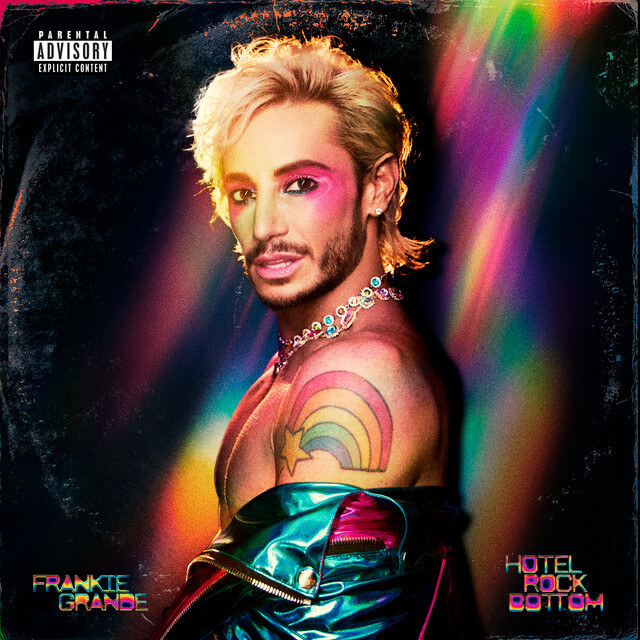 I can actually smell this album. It reeks of wet buttcrack and nauseating “it’s giving” exclamations. Frankie Grande makes music not for the Troye Sivans of the world, but for the JoJo Siwas. This is a terrible, awful caricature of gayness performed by a guy whose 5th place finish on Big Brother has trapped him in a listless spin-cycle of strap-ons, dick, and ketamine. The least sexy music of all time. Clearly all of the talent in the Grande family went to Ariana. —Matt Mitchell
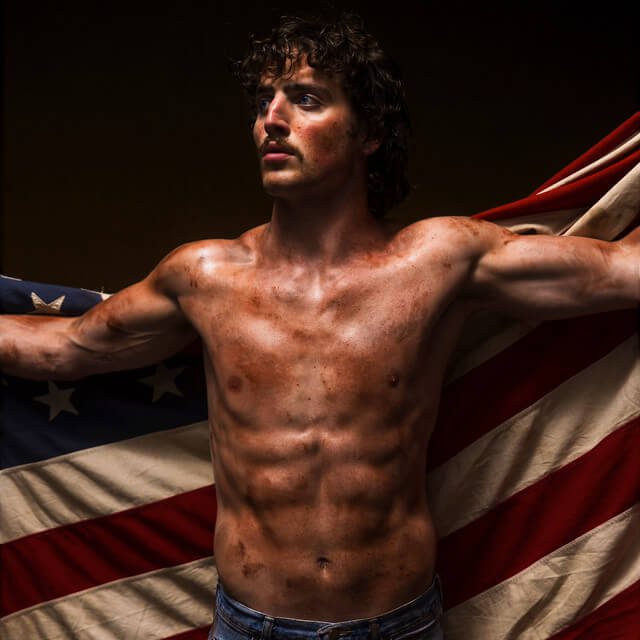 Benson Boone has no songs where he needs to be doing this. Why is he doing Olympian-level acrobatics to some of the tamest tunes this side of the dentist’s waiting room? The best thing about American Heart, Boone’s second album, is that it’s shorter than an EP from Sufjan Stevens. Although mustachioed Discount Paul Mescal has vocal chops, they lack any sort of compelling vehicle, like a guy singing a showstopping a cappella rendition of “Baby Shark.” If anything, his prowess ends up sounding vacuous, with no idiosyncratic edge or bite to encourage closer listening. It’s perfectly pleasant music, much the way Harry Styles’ new-wave pastiche sounds mildly pleasant, or the nigh-flavorless bubbles of La Croix taste slightly sweet when the only other option is room-temp water. But its agreeability is perhaps its central flaw. American Heart is wholly incapable of making you flip out. —Grant Sharples
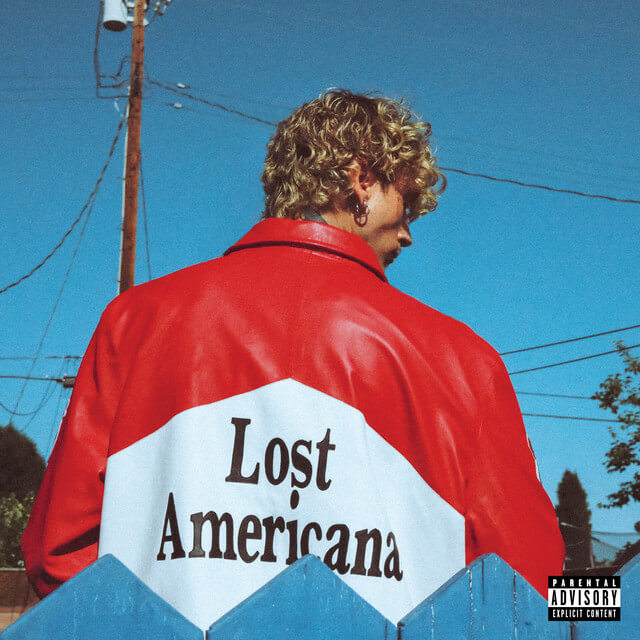 Can you get CTE from losing a rap beef? —Matt Mitchell
 On our worst songs list earlier this week, I called “Ordinary”—arguably 2025’s most painfully bland hit—the final boss of coworker music. Sadly, there are exactly twenty more songs where that came from, and all of them live on You’ll Be Alright, Kid, which sounds less like an album than a bulk order of “Ordinaries.” Every track arrives pre-softened, pre-swollen, and pre-approved, built from the same limited toolkit—mid-tempo builds, echo-soaked vocals, inspirational murmurs, hyper-religious imagery—rearranged just enough to technically count as different songs. Technically. The result is a 21-track blur of beige uplift where every chorus insists something profound is happening and none of it ever does. It’s music engineered to feel important without ever risking specificity, personality, or thought, which makes it unforgivably boring—the worst crime an album can commit. Across songs like “Chasing Shadows,” “Heaven Without You,” and “Who I Am,” love is vague, pain is generalized, faith is gestured at but never interrogated, perseverance is treated as a marketable attitude, and all of it is sung at maximum emotional volume. Alex Warren writes like someone terrified of alienating anyone, anywhere, ever—which, to be fair, is exactly the content creator mindset that brought him Tiktok fame in the first place. Unsurprisingly, his approach to music is similar, oriented less towards expression than optimization. Forget l’art pour l’art; this is l’art pour l’algorithme. This is music that doesn’t want to challenge you, surprise you, or even linger in your memory; it just wants to exist everywhere, all at once, until you stop noticing it—like oxygen or gravity or clinical depression. What Warren has created isn’t a musical identity but a repeatable process: step one, reverse-engineer a hit from Spotify’s “Mood” playlists. Step two: ??? Step three: profit. And unfortunately for the future of pop music, it seems to be working. —Casey Epstein-Gross
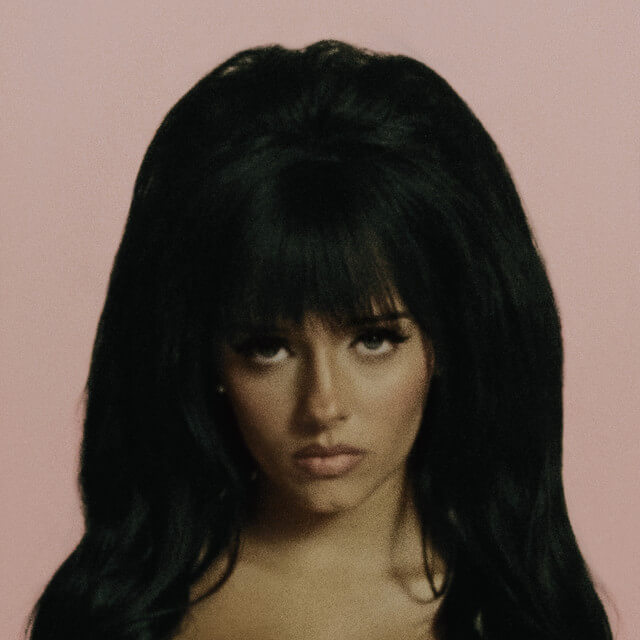 Somebody online described this album better than I ever could: “Music for girls that are attracted to guys that love Jelly Roll.” —Matt Mitchell
 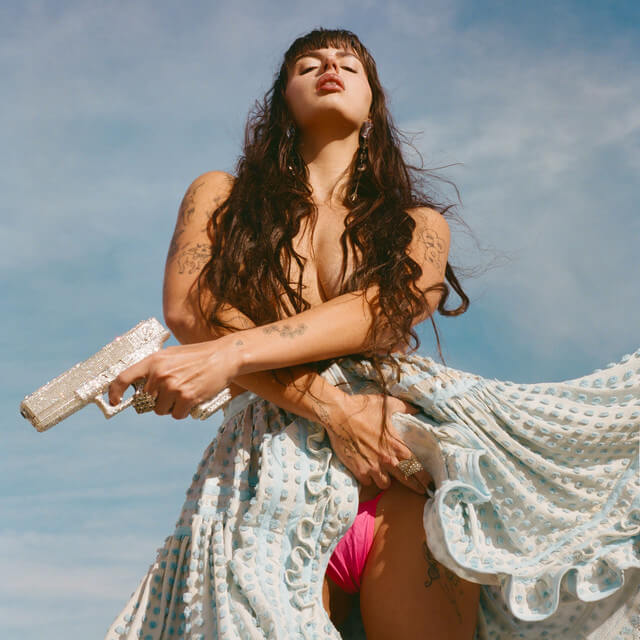 The title is wrong. SALVATION is anything but. So much of this music pulls from the exciting new bastion of K-pop music coming out right now, like the work of Aespa or TWICE, yet it’s all so generic, out of vogue and woefully misguided through half-baked gestures of drum’n’bass and hyperpop. It’s a bad pop album that doesn’t have juice, or any semblance of an “it factor.” It’s sticky but far from sweet, as songs like “TRUST!” and “Do You Ever Think About Me?” could pass for any raggedy dance track spilling out of department store stereos. This is pop excess without any density; the kind of music that doesn’t bore you, because you were never paying attention to begin with. SALVATION is Rebecca Black’s attempt to mask her lack of talent with bizarre beat choices, forgettable melodies, and a dulled edge. She told Apple Music that the album is based around “this idea of letting some of the less-safe, less-poised, less-sweet versions of myself into my world.” If songs like “American Doll” and “Twist the Knife” are meant to be risky, I pity whoever gets duped into thinking any of this sounds ground-breaking or envelope-pushing. It’s nonsensical too, with lyrics like “American doll / Smashin’ her head into the wall / What? / She don’t want money, she don’t need friends / Blades in the honey, confusin’ the men.” To borrow a phrase from Black herself: What?
 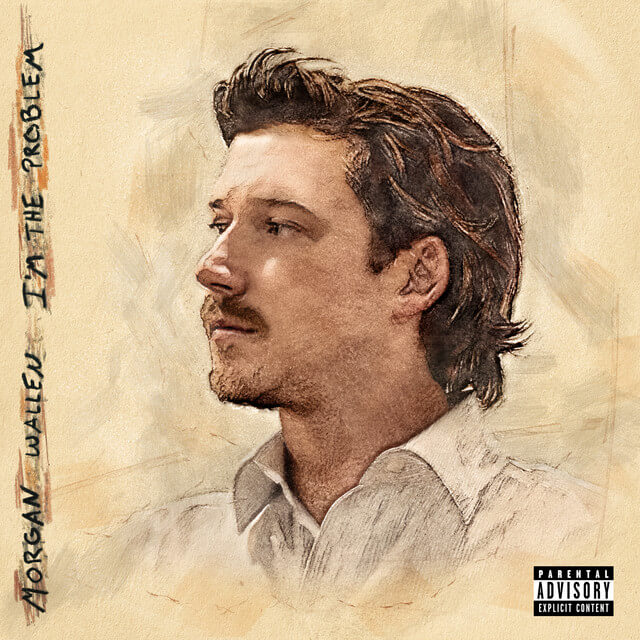 37 generic, aimless country songs from the worst guy you know. A tasteless, toxic collection of flimsy music that’s pregnant with cliché and self-flagellation. Testosterone at its worst. Two confusing hours of lousy, stream-hungry ideas good for the algorithm but poison for the human soul. The CIA and DIA should add I’m the Problem to their list of interrogation techniques. I’d rather be waterboarded than hear Morgan Wallen use Keith Whitley’s alcoholism as a metaphor for his own pretty-boy, slur-spitting crashouts in Nashville. Not even God’s country wants this dude back. —Matt Mitchell
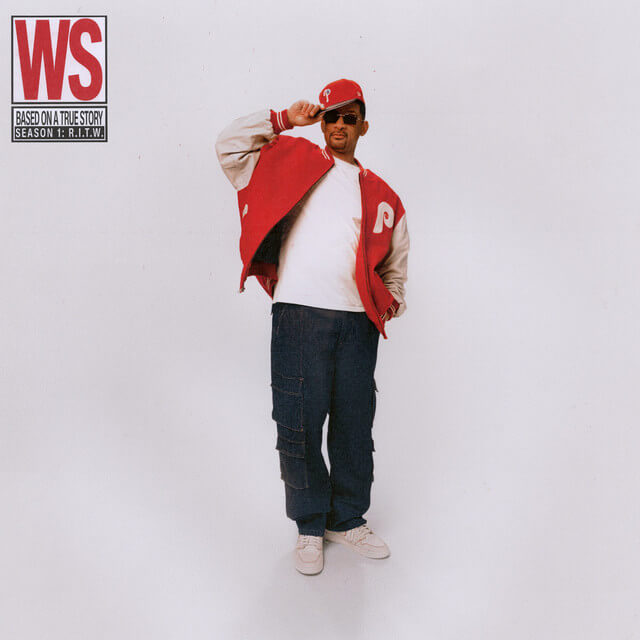 There are many ways to process public humiliation. Therapy is one. Silence is another. Virtually any option would be preferable to making a 50-minute rap album about how you’re actually the bravest, wisest man alive, but unfortunately for us all, that is exactly what Will Smith did. Bafflingly, Based on a True Story sees Smith treat the 2022 Oscars slap heard ‘round the world as a grand spiritual trial, a cultural reckoning from which humanity was meant to learn. It was a slap. You slapped a guy. Years ago. Why are you relitigating this now, spoken-word style? As the album drags on, even the pretense of self-reflection drops away, and all that’s left is a grown man forcing audiences to watch him work through a humiliation fetish with a microphone, a self-help book, and no safe word. Corny as always, Smith’s comeback fuses dad-rap, therapy-speak, and youth-pastor motivational sludge, all in service of proving he’s “unbothered” while obsessively documenting how bothered he is. The writing swings between delusional self-mythology (“I’m a icon, somebody you could base your life on”) and bizarre Hallmark-grade platitudes (“Life gon’ keep lifin’, knives gon’ keep knifin’”) while the production piles on choirs, trap drums, and gospel theatrics that can’t disguise the core problem: he still raps like it’s 1999 (stiff, slow, anachronistic), except now he’s angry that time moved on. Based on a True Story goes beyond merely being bad music. It’s a vanity project posing as accountability—a self-appointed redemption arc with no insight, no perspective, and no reason to exist. If this is Will Smith reclaiming his voice, it’s hard to imagine anyone asking him to use it again. —Casey Epstein-Gross
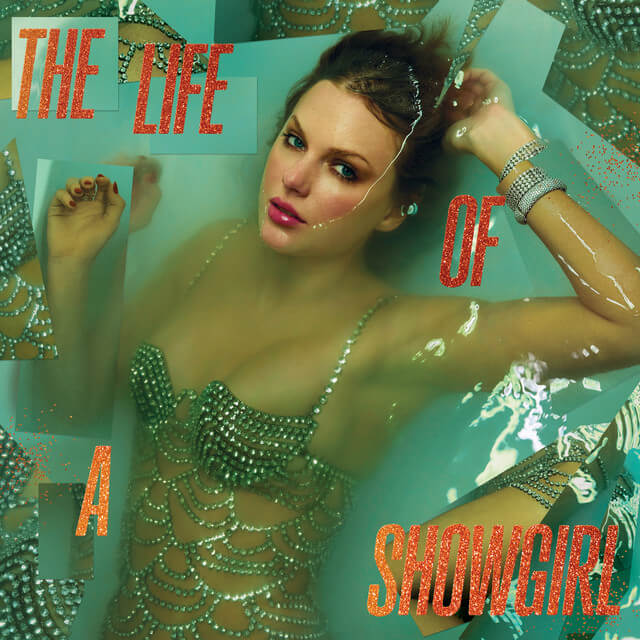 For years, Taylor Swift’s cultural dominance felt as inevitable as death and taxes. The Life of a Showgirl is the first time it’s felt negotiable (seriously; I didn’t even get death threats for criticizing it on Twitter). This album doesn’t mark a reinvention so much as a reveal: the sound of a popstar completely out of touch with both her audience and herself, flailing for meaning inside a perfectly climate-controlled vacuum. Even Max Martin and Shellback—two of pop’s most reliable hit engineers—sound trapped here, reduced to recreating the idea of pop rather than anything remotely alive.The real disaster, though, is the lyricism. “Eldest Daughter” is so clogged with dated slang (“we looked fire,” “this isn’t savage”) it collapses into secondhand embarrassment, while “Wi$h Li$t” repackages trad-wife ethics as enlightenment, delivered from the mouth of someone whose “off-the-grid” fantasy still includes private jets. Three songs—“CANCELLED!,” “Actually Romantic,” and “Wood”—even earned spots on our worst songs of the year list, all deservedly: an attempt at grievance cosplay for the unimaginably powerful, a diss track that humiliatingly punches down and still misses, and a bafflingly unsexy infomercial for Travis Kelce’s penis (“redwood tree,” “magic wand,” “hard rock”) that’d make a 12-year-old’s AO3 erotica sound subtle.
  Sleep Token’s fourth album, Even in Arcadia is Dr. Frankenstein’s monster, except the monster is fangless, inoffensive, and far more annoying than it is menacing. The Londoners stitch together djent, dembow, EDM, trap, and Alt-Nation pop-rock to create one of the most exhausting and tedious ways to spend 56 minutes of your life. The end result is somehow boring and jarring at the same time. Anonymous frontman Vessel sings about a fictitious god named Sleep, which recalls Twenty One Pilots at their most annoying lore-heavy, and the dated, blown-out trap beats that accompany him have the unconvincing swagger of Lin-Manuel Miranda rapping. Despite the gauche gimmicks of their personae and forced mystique, the music itself lacks anything of value. Yet Sleep Token achieves the seemingly impossible: a metal album devoid of thrill. —Grant Sharples
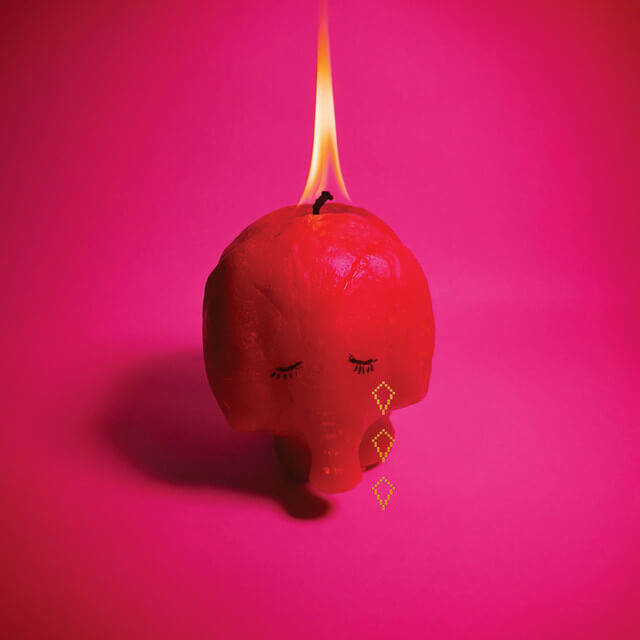 Reading the lyric sheet for Pink Elephant, you’re hit with 40 minutes of denial veiled as profundity from one of the most categorically superficial bands of the last 25 years. Your coworker probably loves this album. From the jump, Arcade Fire treats its listeners like they’re stupid, playing coy about moral turmoil by making hippy-dippy, “I’m a real boy” synth-rock that’s remarkably one-dimensional. “My heart’s full of love,” Win Butler shouts on “Year of the Snake.” “It’s not made out of wood.” Okay Pinocchio, you’re 45 years old. Pink Elephant isn’t merely an album released after a “cancellation,” or what Apple Music has labeled as “three tumultuous years.” It’s a bad gesture of faith from a band that’s woefully out of touch. Seriously, this album is clunky, poorly mixed, offensively self-serving, and annoyingly regurgitated. The multi-part suites that made Arcade Fire’s previous releases sound like boom-or-bust sagas have been swapped out for lackadaisical, dogmatic doses of soulless, false glory. What we get under producer Daniel Lenois’ leadership are off-center, weakened beats and pompous invectives that could have used a few more rounds with an editor willing to push back on Butler’s lost-plot motifs. “I Love Her Shadow,” as sugary as the melody turns, is where it’s impossible to separate Pink Elephant from the sexual misconduct allegations around Butler.
  Keep scrolling for more great stories.