As we head towards the finale of 2025, I’ve been thinking a lot about all of the great new artists I’ve discovered since January. While I think this year has been a particularly great one for sophomore albums, like The Passionate Ones, Baby, Sounds Like…, and How You Been, the debut records have been particularly filling. What a tremendous time to make an introduction. And because of our ongoing Best of What’s Next series, Paste has been able to catalogue a lot of up-and-coming talent, like Annahstasia, Lifeguard, Folk Bitch Trio, crushed, and Good Flying Birds. We’ve even watched some of these artists play our SXSW party stages before even dropping an album (I’m looking at you, Rocket and Maruja). So we’re here to honor our favorite “firsts” of the year. The focus of this ranking is new bands, artists striking out on their own, and whatever combinations/ideas that fell in-between. Do let us know in the comments what your favorite record of the bunch is. Here are our picks for the 27 best debut albums of 2025. —Matt Mitchell, Editor
27. Lambrini Girls: Who Let the Dogs Out
Do you hear that? No, it’s not the siren at the start of “Bad Apple,” Lambrini Girls’ punk-rock album opener skewering the police—it was our first Potential AOTY alert. Sure, we were only 10 days into 2025, but just listen to Lambrini Girls’ blistering, relentlessly fun, thorny, in-your-face debut LP Who Let the Dogs Out and you’ll get it. The Brighton duo—Phoebe Lunny (vocals/guitar) and Lilly Macieira (bass)—recorded the album in the Oxford countryside with Gilla Band’s Daniel Fox. It’s thrumming with a noisiness that never gets in the way of catchy hooks, but serves to amplify whatever Lambrini Girls are making music about, whether it’s internalized homophobia (“I said I liked the way she looked / But then I said no homo”), sexist workplaces (“Michael, I don’t want to suck you off on my lunch break”) or “Cuntology 101” (“Doing a poo at your friend’s house / Cunty!”). And a little PSA: Be sure to clear the space around you before you press play, because Lambrini Girls’ music demands that you thrash it out. —Clare Martin[City Slang]
Mount Crystal exudes something ambitious and convincing. The album’s sources of inspiration feel exceedingly rare in today’s broader indie landscape. Even if Joviale shares some favored idols with Fabiana Palladino and Laura Groves, their nods to more eclectic stars of the ‘80s shake any notion that what they make is easy listening. Regular citations of Sheila E., including with the album’s understated cover, highlight a sonic esotericism that puts Joviale in conversations with like-minded auteurs such as Nourished by Time and Dijon. The way they mine the vault not just for lustrous synths but for abrasive percussion and complex rhythms makes them sound experimental at first glance. But, perched above those retro yet cutting-edge production chops is a knack for writing a memorable tune. Tshabola takes it a step further, imbuing their songs with narrative in the vein of Prince. To fit daring production, undersung diva worship, and a good story on one album shows a dedication to craft that few artists working today could ever hope to display in a single project. It’s evidence that Joviale is someone who can take an idea and extend it in all directions without stretching too thin. Mount Crystal is a synthesis of their long-standing worship of larger-than-life pop experimentalists, their love for jazz (the saxophone is courtesy of Ezra Collective’s James Mollison), and a call to marry rhythm, mystique, and vocal magic on a high concept album. Their approach is singular and full of a world-weariness, edge, and heart that makes their debut a proper pop roller coaster.—Devon Chodzin[Ghostly International]
Jasmine Cruickshank—the Manc singer-songwriter who makes music under the name jasmine.4.t—celebrated becoming the first British artist signed to Phoebe Bridgers’ Saddest Factory Records label last year. Her debut album, You Are the Morning, was made in 12 days at LA’s Sound City with Julien Baker, Lucy Dacus, and Bridgers. On “Elephant,” Baker plays guitar and the Trans Chorus sing back-up vocals. Written about her first T4T love and during her transition, “Elephant” is a document of jasmine.4.t couch-surfing across Bristol and sacrificing a relationship in favor of healing. “We’ll be alone, but we’ll be safe from words we say,” she sings. “…I fall in your eyes, and then they read me like a book, but I’m not there.” “Elephant” is a brutal song simmering in bubbly indie-rock textures until it explodes into an orchestral, cacophonous whirlwind. The track, however, finds its resolve, as jasmine.4.t sings “look at this, it’s all for you” with the Trans Chorus of Los Angeles—there, hope rings without wounds. Elsewhere on the title track, jasmine.4.t sings an ode to her dear friend Han, who supported her through her transition while she was houseless. It’s a gentle folk song that tackles regret—for who we can, and cannot, save in this life. It’s as much of a dream as it is an act of resistance and love. “You deserve much better than what he gave you, wish I could’ve saved you,” she sings. “Not the time for you and me, maybe you don’t want a girl like me.” When Cruickshank delivers the final verse—“If I stay, if just for one more year, to place your hair behind your ear, to stroke your wrist from left to right as you hold me in the morning light”—you’re probably already weeping uncontrollably, but the song’s ending just ups the ante for good measure. —Matt Mitchell[Saddest Factory]
We’re older; Katie and Allison Crutchfield are older, 36 now. The surprise album Snocaps captures the growing pains, in bouncy, sometimes-country-fried, sometimes-punky, sometimes-elegiac songs. Broadly, the album is about the nostalgia of past mistakes turning into sage advice about aging. Specifically, it’s about cars driving down numbered roads, restless pride, loud bars, muses, being thorny girlfriends, addiction, big dreams, and toxic friendships. This is what well-rooted and courageous music sounds like. “Wasteland” welcomes a hailstorm of danger: “I’m running hot on empty, firing off some willful bottomline / Gave it everything I had, I am hazmat, I am radioactive / Caustic car wreck, off the rails and rude and ruining your life.” “Doom” ought to be one of the biggest damn things Katie’s ever done. Because her writing is so trenchant (“We may fall back into fiction / Know I always do / Make stale of me / No one’s immune”), a splashy arrangement would sound out of turn here, which is why Lenderman’s guitar pageantry comes with just the right amount of humidity. But what’s most impressive is how good her sister Allison sounds in that same environment for the first time, her singing taking its most-distinctive shapes on “Avalanche” and “Brand New City,” the latter’s riffs and harmonies fluent in P.S. Eliot’s looser indie-rock language. Allison’s musicality has always served Katie well, and it’s refreshing to hear her become fully uncorked on “Over Our Heads”—an 8-foot tall pop-rock song dotted with cursive riffs and a crack of twang. No singles, no music videos, no interviews, no problem: Katie and Allison have brought us a world of good-sounding miracles. —Matt Mitchell[ANTI-]
23. Heartworms: Glutton For Punishment
I pride myself on not being one to scare easily. The haunted hay ride is child’s play to me, I walk through Field of Screams like it’s a fairy flower garden, I’ll even go to bed watching horror movies and then sleep like a baby. So, it’s no small compliment when I say that listening to Glutton For Punishment left me with a serious knot in my chest. Heartworms is the musical alias of 26-year-old Jojo Orme, and she prides herself on this fractured, often dread-inducing discourse within the songs she creates. Her 2023 EP A Comforting Notion was a brief encapsulation of Heartworms’ pronounced style—a mashup of dark post-punk and hardcore industrial, but it left Orme feeling bogged down by the genre-defining expectations it set in place. Instead, Glutton For Punishment is a dilated full-length debut, rooting itself in the minimalist aesthetics of late ‘90s UK dance and carving paths into amenable pop hooks while retaining that atmosphere of overall chaos and emotional discomfort. Standout tracks like “Jacked” and “Warplane” are a far cry from the sounds of her EP. Orme sings about the haunting effects of war-torn violence, the flawed perspective of the human condition and the many shattered relationships she’s faced throughout her life, draped behind sharp, stinging guitars and ethereally warped techno beats. Orme elaborated on the musical growth Heartworms underwent in crafting the debut record saying: “With my EP, people kind of pigeonholed me into post-punk. I was like, ‘Cool, I can do that, but I can also do way more’—I can do post-punk, but I can also be poppy and catchy, and this album represents that. I think people might be surprised when they hear it.” —Gavyn Green[Speedy Wunderground/PIAS]
22. DJ Haram: Beside Myself
The debut solo album from DJ Haram, Beside Myself is a haunting palette of electronica packed with big beats, club stamina, and Middle Eastern percussion. Zubeyda Muzeyyen has been putting out music under the DJ Haram moniker since 2016, finding fans in the ranks of billy woods and YHWH Nailgun. On her proper introduction, she calls upon Armand Hammer, Palestinian rapper Dakn, and finds a reunion in her 700 Bliss partner Moor Mother, along with Carmen Nebula, Kayy Drizz, and Bbymutha. But a song like “Voyeur” is all DJ Haram. With darbuka drum blended into electronic drums and kamancheh, she creates an intense beat rooted in her Middle Eastern roots but combined with her love of punk and dance music, which she describes as “the voices in my head screaming wordlessly while I’m at the center of a mosh pit on research chemicals. —Tatiana Tenreyro[Hyperdub]
21. Good Flying Birds: Talulah’s Tape
Good Flying Birds may or may not be directly influenced by D.L.I.M.C.—Kellen Baker didn’t cite them in Paste’s Best of What’s Next feature on the band in August—but they certainly are cut from the same cloth. Both construct short, earworm-y songs by making expert use of a limited toolkit, and neither is afraid of a little hiss and fuzz around the edges. In this corner of the rock ‘n’ roll universe, homemade signifiers are a feature, not a bug. In fact, Talulah’s Tape actually compiles “all (Baker’s) scattered demos … recorded at home between 2021-2024,” according to Rotten Apple, which makes it an unfiltered look at his exceptional ability to write melodies and guitar riffs catchy enough to cut through the lo-fi atmosphere. The rollercoaster chord progression of opening track “Down On Me,” for example, is instantly bop-along-able, while “Dynamic” packs like four different killer hooks into three minutes. Both sound like the early recordings of Elephant 6 heroes the Apples in Stereo. More often though, Good Flying Birds sound like the Apples’ trippier E6 sibling, the Olivia Tremor Control. You can hear it in the twin barbed guitars of “I Care For You,” the sweetly psychedelic twee of “Everyday Is Another,” the driving paisley churn of “Eric’s Eyes,” and even in the album’s interstitial pieces—a drum break with animal sounds, a noisy guitar freakout and six-second sound experiment. All would feel perfectly at home on Dusk At Cubist Castle. (Also, as long as we’re talking Elephant 6, Good Flying Birds’ easygoing “Golfball” is the best Beulah song in two decades.) Baker performed every sound on Talulah’s Tape. And in case it isn’t already clear, he wrote all the songs and recorded them himself. We know these things because he wrote them on the folded paper insert that came with the Rotten Apple cassette, which sold out of its run of 300 copies long ago. “If you’re new here, hello!,” it says, scrawled in black marker. “This is probably the best possible way to get to know me.” Nice to meet you, Kellen. Very excited to hear more. —Ben Salmon[Carpark]
How good is Die Spitz? Well, the quartet was awarded Album of the Year by the Austin Music Awards last year… for an EP! The band, Ava Livingston, Chloe Andrews, Ellie Livingston, and Kate Halter, are one of, if not the best young live act in Texas right now, and their debut album, Something to Consume, all but confirms their place in the punk pantheon right now. There’s a great balance in the tracklist, as “Go Get Dressed”’s steady, gentle build turns into a thrashing, throbbing breakthrough on “Red40.” Every song pummels, but not every song blisters. Working with Will Yip, it’s clear that he was the best man for the job. Something to Consume tackles everything from hardcore to metal to grunge. “Riding With My Girls” is fantastic, and “American Porn” is a bad-bitch tome. “Punishers” carries Twilight inspirations, and the powerful “Voire Dire” sounds like a sign of our fucked-up times. There’s a trust percolating throughout the record, one brought on by four people who couldn’t imagine making music with anyone else. This is music that yells in all-caps. —Matt Mitchell[Third Man]
The band behind the fuzz are ready to rise, too: they’ve already warmed stages in the UK for their pumpkin-smashing forbears and signed to taste-making label Transgressive, all before the release of their debut album. Relatively speaking, it’s taken Rocket a hot minute to deliver R is for Rocket. After all, it was in high school that Alithea Tuttle and Cooper Ladomade added Baron Rinzler and Desi Scaglione to their in-crowd to become a quartet. (Tuttle and Scaglione have been dating since this time, too.) As of 2021, the four had officially become Rocket the band. And now, in their twenties, it seems the band is mastering the art of growing together with patience. All this to say: R is for Rocket is a fantastically confident and truly complete debut. It’s not perfect, but there’s nothing missing either. We’ve had bands in this genre space start hesitant and bedroom-y before tip-toeing into bolder self-actualization, like Snail Mail or Momma or Cryogeyser—and maybe some of that endearingly DIY uncertainty would have been nice to see from Rocket. But if they ever reckoned with that awkward growing stage, it was never publicized. Instead, to make their debut album, they strutted into not one but two of rock music’s sought-after studios: 64 Sound and the Foo Fighters’ Studio 606, utilizing the latter’s thunderstorm drum sound and the former’s storehouse of vintage gear. But rather than call in John Congleton or Chris Walla—or any of the go-to producers behind the big indie-rock statement albums of the last decade—to shepherd this process, Scaglione opted to wrangle the consoles. He made R is for Rocket sound big. His and Rinzler’s guitars whip up a hurricane, leaving only Tuttle’s bass to cling to. Their big pedalboard and bigger amps wail to the high heavens, reaching their extremes on “Wide Awake,” a track that’s less about the notes they’re playing than the mad-scientist way they go all Lee and Thurston with it. —Hayden Merrick[Transgressive]
Emotional growth, and the mess that comes with it, is embedded into all the songs on Now Would Be A Good Time. It’s in the quietly furious unraveling of “Hotel TV,” the surrealist fuzz of “Moth Song,” and the sarcastic delivery of “Am I lucky or am I just sane?” on “God’s A Different Sword.” It’s all interpersonal static and intrusive thoughts; slippery feelings that resist easy framing. The result is an astonishing record, music anchored by harmonies so instinctual they sound almost telepathic. It’s hard not to associate Folk Bitch Trio with their genre namesake. But the band views folk with more fluidity, leading to some nods to the greats—a Ted Lucas cover, Mitchellian acoustics on “Mary’s Playing the Harp.” But the spirit of folk music isn’t just in the jangly acoustics and tight harmonies. It’s also in the depth of storytelling, the unflinching vulnerability, and the deep-rooted friendship of Folk Bitch Trio. —Cassidy Sollazzo[Jagjaguwar]
On Thee Black Boltz, Tunde Adebimpe is a wholly unplaceable spirit. He’s thriving in collaboration, meditating in creative anima and untethered by expectation—still evolving; still electric. This is no side-bar creative pursuit, but an album scarred by personal loss, most tragically the sudden death of his younger sister. Furthermore, Adebimpe is wrestling with a world in complete political freefall, one still reeling from the pandemic, and yet he dares to search for life within that wreckage. Maybe it’s not purely joyful, but it’s working towards joy, finding a silver lining in each new idea and moment of fluorescent hecticism. And, God, if Thee Black Boltz is ever hectic. The title track doubles as both an overture and a poem—a service announcement obscured by tape hiss and repeated vocal scratches. “Say we start in the stars / Descend to the mountain / Walk down and through the hillside towns / Settle our love and hate affairs / Walk down through the edge of the wood to the edge of the brook / Sit and lament some happy, sad run / That the base of the mountain / Turn, the black bolts learned / That change is all looking at the stars / The black bolts / I did hear, all / I hear a tune,” Adebimpe recounts. As the tape clicks off, we’re left only a second to reflect upon the scene he has laid out. His peaceful snapshot of nature is immediately doused as “Magnetic” barrels in—a lit fuse for the remainder of the album. There’s a manic feeling of urgency to the music here, with sprinting synths and a stammering drum beat at odds to overtake one another. When it first dropped as a single, I had only TV On The Radio material to compare it to, but even in the context of the album, “Magnetic” is Adebimpe at his most distilled—boiling rock, electronic, and post-punk into what I can only call a danceable panic attack. It’s feverish; it forcibly jars your nervous system into fight-or-flight with jaw-clenching, head-banging momentum. —Gavyn Green[Sub Pop]
16. Dead Gowns: It’s Summer, I Love You, and I’m Surrounded By Snow
The 12 songs on Dead Gowns’ debut album, It’s Summer, I Love You, and I’m Surrounded By Snow, were recorded from 2020 through 2023, captured in bedrooms, gymnasiums and churches around Maine and its coastal islands. Portland, Maine-based musician Genevieve Beaudoin writes blizzards of expressions, pairing the caterwauling rasp of her crushing vocal with metallic, dreamy guitar melodies. Songs like “Swimmer,” “Maladie,” and “How Can I” are poetic and sung with lived-in courage. “Goodbye, old friend now gone to start over,” Beaudoin muses on “In the Haze.” “You’re still a knot of string, taut under my skin the trees have twice turned over.” A tempered breakdown brings the song to a crooning, craving crescendo and cements. Every verse on “Wet Dog” is a rapture, as Beaudoin sings with the quivering, rusted might of Burn Your Fire For No Witness-era Angel Olsen and a band barrels alongside her like bar-busking stage tramps. “Oh, you know you are so frustrating,” she howls from her belly. “A horse cut from the carousel, you are grating the lines from every spore that point us where we were on the ferris wheel.” A bridge of “oohs” transports her through tethers of want and touch. Then, the outro’s tempo thaws out, revealing Beaudoin’s final wail: “I am your wet dog. Wet dogs don’t like fireworks.” It’s Summer, I Love You, and I’m Surrounded By Snow as one of the year’s best artist introductions. —Matt Mitchell[Mtn Laurel Recording Co.]
15. Saya Gray: SAYA
In 2022, Saya Gray’s 19 MASTERS felt like an asymmetrical launch pad for art-pop’s next savant. And her EPs, QWERTY and QWERTY II, displayed an ability to make stripped-back noises sound larger-than-life. Her debut LP SAYA is confirmation that her music is its own kind of cinema. These songs are spiritual, even in their cell-splicing beats, reverb sonar and drive-you-mad transitions; the guitars are intricate and the rhythms lope and twang through wounded frames. Gray’s classical background (her mom founded the Discovery Through the Arts school in Toronto and her dad is an acclaimed trumpeter) makes for good context, as SAYA is its own body and brain, a breakup exercise full of epic, idiosyncratic stories of farewell and mourning cut up into an all-encompassing and all-evading menagerie of trip-hop, psych-folk, prog-rock, glitch-tronica and dubby fusion. Written on a retreat to Japan during the comedown of 2023, Saya Gray has colored reinvention in ten stages of grief, setting nebulas aglow in the dust, in the bizarre and in the bold. —Matt Mitchell[Dirty Hit]
14. The New Eves: The New Eve Is Rising
The New Eves’ debut album is a folk-punk freakout sowed into a strange and raucous strain of rock and roll. The Brighton four-piece spent four years testing their mettle before unleashing The New Eve Is Rising, chanting “The New Eve fucks if she wants to!” so loud it pops the sound barrier. The kulning singing on “Cow Song” is like a ritual, while the violin-textured surf-punk of “Highway Man” sputters and spasms. The 8-minute “Volcano” walks through a handful of experiments before finding momentum in a guitar riot coiled around Violet Farrer’s violin. “Circles” and “Mary” sound like hexes. “The New Eve” is a mad preacher’s sermon on womanhood. Voices flank every instrument and wash over me like an incantation. The Biblical, gargantuan The New Eve Is Rising sounds unlike anything else I heard this year, despite various publications making comparisons between them and the Velvet Underground or Patti Smith. I like what Paste contributor Elise Soutar wrote in her newsletter this summer best, that the New Eves are “Florence Welch’s true daughters. They’re doing what the Last Dinner Party think they’re doing musically.” Baked beans, forbidden trees, horse-riding robbers abound, The New Eve Is Rising is a title I haven’t been able to forget about. —Matt Mitchell[Transgressive]
13. crushed: no scope
Summer officially started when crushed’s debut album, no scope, was announced in June, accompanied by “starburn,” a sexy, catchy emblem of plush alt-rock and sugary trip-hop. The beats swayed and sauntered in my headphones; Bre Morell’s voice floated through colorful lines (“time swings us against the ropes with nowhere to fall back to”; “never thought that I’d be chased down hard by a lifetime, gravity has come to collect on mine”) and Sean Durkan’s plugged-in flashes of humid, poppy explosion. crushed has always been a pop act, but on no scope they’re even more so. Morell and Durkan all but abandoned their post-punk beginnings and bonded over the nineties together, naming their shared mix of liked songs “VH1” and hoping to make the kind of music you might stumble into while channel surfing twenty-five years ago, like the Sundays or Dido. crushed pay tribute to the decade I was born in without becoming the decade I was born in. It’s got a little bit of Sheryl Crow in it, and a little bit of Björk too. There’s a film of Cocteau Twins’ soupy, gothic fog and reverb on songs like “celadon” and “heartcontainer.” This many months after hearing it for the first time, no scope is still kicking around in my chest, as songs like “oneshot” and “licorice” yank me back to when MTV programming turned into YouTube obsessions—when television kids became internet adults and lyric videos made in Windows Movie Maker were just as popular as those Vevo official music videos. crushed is exactly what I want them to be: a sidebar band, the type of music you can only find ten feet down a late-night rabbit hole. —Matt Mitchell[Ghostly International]
YHWH Nailgun’s debut album, 45 Pounds, is a quick listen, but it will linger inside you long after “Changer” ends. Think Guided by Voices but more granular. Barely half of the songs are more than two minutes in length; just one entry stretches past three minutes (“Tear Pusher”). It’s music that demands an audience yet quickly banishes it away. YHWH Nailgun got the well-earned Pitchfork treatment early, on account of their 90-second, shivering single “Sickle Walk.” At SXSW two months ago, as the drum beat in “Sickle Walk” rang like a balled fist pounding against a steel door, the band turned middle-aged day-drinkers into foaming-at-the-mouth hoofers thanks to no-wave angles sharpened into hookless epidemics. There are no guitar solos, no recognizable or chewable melodies. As Paste’s associate music editor Casey Epstein-Gross very aptly put it this spring, “Sickle Walk” is a “sonic assault.” Zack Borzone, even at his most mangled and delirious, is a poet: “She’s a damnation in the night, even the sky gets ugly when it gets so bright,” he dry-heaves through splatters of wincing jungle-summoning synths during “Castrato Raw (Fullback)”; “Vultures lift me by my hair, I watch their wings like a baby would,” he testifies during “Tear Pusher,” a song so kinetic and vulgar it erupts with fireworks of electronica before crashing into oozing wounds of indecipherable grunts and pronounced spellings of the title. The percussion during “Animal Death Already Breathing” clashes into a backline of cultish, frenzied chants; “Ultra Shade” beams with head-splitting distortion; “Pain Fountain” crushes into its title, as Borzone’s affectation fades into the havoc of machine gun synths; there’s even a beaming catchiness crowning at the surface of “Blackout,” as Jack Tobias’ keys simmer in a flatline of anti-chaos. —Matt Mitchell[AD 93]
11. Gelli Haha: Switcheroo
Switcheroo is a dance party of primary colors, Electrix effects, and strange samples (Did you hear the bear attack on the back half of “Dynamite”?) that emerged through Angel Abaya’s careful songwriting and a love of twisted disco shared with co-producer Sean Guerin of De Lux. Together, they warp dance and synth-pop with a post-punk gloom that underscores Abaya’s aestheticized and verbalized absurdity. It makes a song like “Spit” sound deadly serious, sometimes approaching the intensity of Boy Harsher, but once you dive into the lyrics, you realize it’s a sequence of S-words uttered seemingly at random (repeating the word “Surrender,” though, is ominous). “Normalize” has a similar entropy, as Abaya lists rhymes in dulcet tones: “Anesthesia / Euthanasia / Homophobia / Hemophilia / Diphtheria / Arrhythmia / Cornucopia / Pedophilia.” It sounds like clanging, the mental looping phenomenon explored on rapper Emily Allan’s album of the same name. Clanging is un-free association, a space where the poetic resonance of rhyme grows from a funny coincidence into gospel. Even to an observer firmly tethered to the ground, clanging can produce feelings of obvious disorientation but a nagging sense of interrelatedness. But, where Allan locates clanging as a manifestation of psychosis, Abaya dances with it as part of an effort to navigate familiar torments. Pummeling opener “Funny Music” sees her declaring herself funny as she requests your active participation in the clown-audience dyad. What glimpse of pathetic artifice or defensiveness we get is over before we know it with a “BONK.” Then there’s “Tiramisu,” an uptempo thumper with sandpaper vocals Insecurity, exasperation, and conflict aren’t just for the edgy production choices; they’re essential to Abaya’s songwriting. Where she once shared such meditations through pensive indie rock, throwing them through the prism of the “Gelliverse” between more inscrutable takes gives them a little more weight. It’s proof that you can’t get away from them no matter how many friends you invite over for trampoline misadventures, puppetry theatrics, or color-blocking makeovers. —Devon Chodzin[Innovative Leisure]
10. Maruja: Pain to Power
On Maruja’s long-awaited debut LP, Pain to Power, the song-building unfolds like a series of grieving mini-suites, as disillusionment and spirituality sit at odds with one another in these grand musical gestures of empathy and relevance. Maruja extrapolates history by resisting annihilation, tyranny, and the consumerism that currently preys on vulnerable people. The ongoing extermination of Palestinians and the ongoing massacre in Gaza both anchor the album, as do images of a global migrant crisis, failing healthcare system, and rising authoritarianism. “We may sound angry, but our message is one of peace,” Harry Wilkinson tells every crowd he meets. The feral and loving atmosphere of Pain to Power is a revolution hewn by a faith in unity and illustrated in simplistic, recurring motifs. As “Reconcile” goes: “We are love in abundance.” Intensity is warped by impulsive and improvisational clatter, and it’s at its most traumatic on “Break the Tension,” as Wilkinson yells, “Can’t make a difference, can’t stop the feeling,” over bursts of sound interlaced through four instruments that sound like twenty. The dissonance of “Trenches,” cuffed to a frenetic punk scaffolding, presents itself through Carroll’s concussive saxophone zigging in one direction and Hayes’ cauterizing drum kit zagging in another. Irish mythology spawns into “Saoirse,” which translates to “freedom” in Irish Gaelic and became a cherished name during the creation of Saorstát Éireann (the Irish Free State) in the early 19th century. Maruja turns “Saoirse” into a demand for humanness and liberation, as Israel’s genocide of Palestinian people remains ongoing. Pain for Power is overwhelming but never threadbare, packed with colossal brass, elastic diatribes, and tourniquet rhythms. —Matt Mitchell[Music For Nations]
I Love My Computer teems with zillennial nostalgia, both in subject matter and sound. It’s autobiographical, with Ninajirachi telling the story of her musical coming-of-age, thanking the computer that made it possible. It’s a meta, ultradevotional, music-about-music record, and the fact that it was created entirely on a computer is the point. There are only so many of us who grew up in a time before parents realized iPod Touches were basically phones, and Nina Wilson writes from inside that exact window of unsupervised digital childhood. Much of the record carries the DNA of early 2010s EDM and electronica, the era of blown-out beat drops and maximalist production that imprinted differently when you heard it at 11 instead of 21. I Love My Computer sounds like the natural result of that kind of early exposure—elastic, impressionable. It makes me think about the first time I heard the A-Trak “Heads Will Roll” remix (I was ten) and how, in that moment, I learned that a song actually could swallow you whole. I Love My Computer is one giant mix of hyperpop, electroclash, and EDM, and the music is so endlessly frenetic that you don’t even have time to think about breathing. “Battery Death” is pure anarchic, Zedd-era maximalism; “Delete” could easily slot into the how i’m feeling now tracklist or a PC Music compilation. “London Song” opens the record with a blown-out, crunchy, what-The-Dare-thinks-he’s-doing kind of bass thump. It bleeds right into “iPod Touch,” a cutesy, sped-up bop referencing not just the titular device but its Pikachu case and the tiny rebellions it enabled. By sidestepping the traditional skill hierarchies she inherited, Wilson shapes a unique and fascinating EDM/electronica world. Ninajirachi is both the multiverse and its maker, possessing the all-consuming scale and the singular perspective, both of which anchor I Love My Computer from the inside. —Cassidy Sollazzo[NLV]
8. Case Oats: Last Missouri Exit
Case Oats’ debut record, Last Missouri Exit, does not reinvent the wheel. But it isn’t trying to, nor does it need to. Frontwoman Casey Gomez Walker’s voice undoubtedly calls on the earnest plaintiveness of Mo Tucker, her songwriting brings to mind David Berman’s interpolation of lived-in specifics and heart-rendingly blunt self-analysis, and the instrumentation takes after Wilco (unsurprising, considering Spencer Tweedy is Gomez Walker’s fiancé and the band’s drummer). The record is squarely set in alt-country territory, yet it still feels fresher than a host of recent albums straining to claim some “lush” sound as invention. Case Oats aren’t forcing originality or fleeing lineage—they’re simply writing what they know, and in doing so, carve out something novel. It helps, too, that the band—Gomez Walker and Tweedy alongside Max Subar (guitar, pedal steel), Jason Ashworth (bass), Scott Daniel (fiddle), and Nolan Chin (piano, organ)—evidently view the Case Oats “sound” as malleable and ever-changing; not some static standard to meet. The album might not venture out of alt-country territory often, but that doesn’t mean there’s no exploration; it just goes for depth rather than breadth. Rather than spanning myriad genres, Case Oats instead takes listeners on a veritable road-trip through the entirety of alt-country and all its nooks and crannies. “Seventeen” is pure Kimya Dawson with its up-tempo melody and deadpan talk-singing. On the other hand, the twang and rhythm of “Bitter Root Lake,” a Dateline-inspired homage to the age-old folk tradition of the murder ballad, calls The Old 97s to mind. Time is, by nature, amorphous and life, by nature, finite. But on Last Missouri Exit, neither of those truths are greeted with fear. Even when facing down the barrel of life’s most notoriously terrifying constants, Gomez Walker barely flinches, instead embracing fate with open arms. The whole thing reeks of a kind of radical acceptance that, ironically, the ages the album reminisces on are defined by categorically refusing. When you’re 17, everything is alien and terrifying. But when you’re 30 singing a song you wrote in your twenties about how you felt at seventeen, the sharpness softens, deepens into something more layered. Like wine, some things just need to age. —Casey Epstein-Gross[Merge]
Addison plays with reckless abandon, and that audacious approach is at the core of the album. Lead single “Diet Pepsi” features a smattering of early Lana Del Rey-isms, and leans into the equal silliness and sensuality of a car hookup. Addison Rae whispers in her high register, pleading with her beau to declare his love for her while tangled up in each other’s limbs, while the synths glide overhead. She makes it sound like the difference between life and death. This also isn’t the only song that calls Del Rey to mind; “Summer Forever” recalls vignettes of sun-kissed, sticky skin and the wide-eyed awe of Lust For Life’s “Groupie Love,” where both artists swoon over the mere company of their lovers. This earnestness threads throughout Addison. “New York” is about the millionth love letter written about the Big Apple, but pulling from Charli XCX’s electroclash school of thought sets the album off on a high note. Rae’s gliding harmonies and hyperventilating breaths layer over a ticking bass drum as it mutates from an early FKA twigs demo to a saccharine sibling of Underworld’s “Born Slippy (Nuxx).” Some may say money can’t buy happiness, but Addison raises an eyebrow at that idea. The hedonistic anthem “Money Is Everything” inquires: What would it sound like if Britney Spears and Kreayshawn made a song together? Rae plays off the track’s cheekiness with such sincerity, giggling through lyrics about requesting the DJ to queue up some Madonna, that it’s irresistibly charming. Even in the more melancholic scenes of the record, she spends them in a meditative, optimistic state. The R&B forward standout finale “Headphones On” functions as a succinct mantra for when times get tough; grab your earbuds, strut to the corner store for some Marlboros, and weather the storm. “You can’t fix what has already been broken,” she sings, manifesting brighter skies. “You just have to surrender to the moment.” Maybe pop music can learn a thing or two from Addison’s radical optimism. —Jaeden PinderColumbia
6. Dove Ellis: Blizzard
There’s not a thesis statement to Blizzard, per se, but the more I listened, the more I returned to that same sentiment, albeit from multiple angles. Naturally, it resonates thematically across the record—within individual songs (“Little Left Hope,” “Love Is,” “Heaven Has No Wings,” “It Is A Blizzard,” and so on) and as a subtle connective tissue across the arc of the album. Even sonically, the album insists on the tangible: it’s littered with instrumental creaks and scrapes that sound almost accidental—an off-beat brush of a stick against a drum, a faint blurted shriek from a reed, a barely-there tick of a metronome. You feel as if you’re in the room, the cracks of Dove Ellis’ made-for-indie-folk voice ringing in your ears. The production is kept light and dry, adding an immediacy to the deceptively dense arrangements: percussion from Matthew Deakin and Jake Brown grounds the restless tempo while Reuben Haycocks and Louis Campbell’s guitar fleshes out the rest of the sonic foundation. Lili Holland-Fricke’s cello, Saya Barbaglia’s strings, and Fred Donlon-Mansbridge’s reeds, on the other hand, flutter around the edges, feeling almost like characters themselves. Yet the emotional depth of the album rarely inhibits Ellis’ apparent ability to churn out radio-ready hooks. His voice, meanwhile, remains the centerpiece—a flexible instrument that winds through octaves and moods with disarming warmth. To be blunt, he’s been blessed (or cursed) with what might be the Platonic ideal of a white male indie-folk-rock voice. Every breath seems to conjure a reference: namely, a Jeff Buckley cry, or perhaps a Thom Yorke murmur, or maybe a Cameron Winter vibrato. I even heard Will Toledo in there somewhere (the refrain in “Love Is” calls to mind Teens of Denial-era Car Seat Headrest), as well as Andrew Bird (the whole of “Jaundice”) and, for a split second, Xiu Xiu’s Jamie Stewart (the eerie near-whisper at the end of “To The Sandals”). Crucially, though, it never feels derivative. Where many peers echo past voices to trade on nostalgia, Ellis uses those echoes as scaffolding for his own tonal world—one where sincerity is reasserted as avant-garde. It reclaims the sincerity of the folk lineage without retreating into pastiche. —Casey Epstein-Gross[Black Butter/AMF]
5. JADE: THAT’S SHOWBIZ BABY!
JADE’s debut solo album THAT’S SHOWBIZ BABY! comes on the wave of a maximalist pop revival. While the dominant mode of pop stardom of the late ’10s and early ’20s favored a more muted sound—folk influence, whispery vocals, a lyrical and aesthetic focus on confessionalism and vulnerability—the past year or so has seen the pendulum swing back towards a brasher, full-glam flavor of pop that blurs the line between authenticity and artifice. The true turning point was the summer of 2024—BRAT-mania, the “Espresso”-led rollout of Short n’ Sweet that turned Sabrina Carpenter into a household name, the delayed but fervent reaction to Chappell Roan’s big gay rhinestone cowgirl oeuvre,“Diet Pepsi” marking Addison Rae’s transformation from Hype House alum to trip-hop Britney, and JADE’s reintroduction with “Angel of My Dreams.” Like its lead single, most of the songs on THAT’S SHOWBIZ BABY! feel like amalgamations of all the weirdo pop ideas that JADE couldn’t quite bring to the table as a member of Little Mix for fear of chewing too much scenery or not sounding commercial enough. It’s hard to imagine the girl group embracing the vogue-able electroclash sound that JADE does on “IT girl” or “Headache”—the latter of which sounds straight out of Santigold or M.I.A.’s early catalogue at times, give or take some Fame-era Gaga theatrics. Maybe Little Mix could’ve attempted the kind of horny high-camp JADE pulls off on “Midnight Cowboy,” but only JADE the solo star could’ve made it her own with outrageous and deep-referential patter (“I’m the ride of your life, not a rental / I’m the editor, call me Mr. Enninful / No vanilla, let’s experimental”) or a spoken-word intro from actor Ncuti Gatwa. THAT’S SHOWBIZ BABY! positions JADE’s relationship to making music as the most epic, tragic, thrilling, fucked-up love story of her life. This framing isn’t new—the musician enthralled in a passionate yet destructive love affair with their own work, singing love songs and breakup songs to the music itself—but she blows it up to its most theatrical proportions. —Grace Robbins-Somerville[RCA]
“And I don’t mind / A little waiting.” That quiet declaration captures the environment that shaped rising folk artist Annahstasia’s full-length debut. She carried the songs that would become Tether for three years of life’s twists, letting them evolve into a stirring meditation on love, loss, and human connection. The record’s minimalist atmosphere leaves space for gut punches that feel both blatant and subdued, with unexpected, paradoxical elements evoking a haunted intimacy. On “Unrest,” her vocals swirl with gentle woodwinds and plucked acoustics, creating an understated tension. Annahstasia collaborated with artists like aja monet and Obongjayar, recording exclusively in live takes, a choice that adds to the album’s lived-in world. Her voice sits at the heart of Tether, the force from which everything else blooms. The stirring vibrato in “Be Kind” and raw delivery of “Villain” hit with the visceral power of early Florence + the Machine. Tether sounds like it was recorded in an empty warehouse, as each track echoes through stacked layers of reverb and delicate instrumentation. At some points, it builds to an overwhelming crescendo (“Take Care of Me”), the effect so gradual you barely notice until you’re submerged. The standout moment comes on “Overflow,” where shimmering acoustics lay the groundwork as Annahstasia’s vocals ring through the track with striking clarity. The song’s poeticism shines in the pre-chorus, where first lines mirror ritualistic weight: “I lay my brain on the hook,” “I lay my head in the grass,” “I lay my heart on the line.” That same poetic spirit carries through to “All Is. Will Be. As It Was,” as spoken-word verses alternate with spare acoustic guitar and piano, stripping the composition down to pure language and tone. —Cassidy Sollazzo[drink sum wtr]
It feels like Oklou makes pop music for the kids who played through Bach’s The Art of Fugue. Having grown up classically trained in France, Marylou Mayniel’s output at the end of the 2010s reveled in the peculiarities of closely held melodies and harmonies, and she emerged as the eternally understated figure of the NUXXE world. With choke enough, Mayniel’s precise rhythms and dynamic shifts give what sounds at first like bite-sized electro-pop into an exquisite tapestry of classical precision and pop swagger. The digital clarinet on “obvious” is weird and beguiling; the negative spaces between her flute and keys on “thank you for recording” make the song feel as light as a snowflake. choke enough is full of charm and care that make every song feel like a miniature world to explore. —Devon Chodzin[True Panther]
2. Lifeguard: Ripped and Torn
Lifeguard’s story sounds straight out of a coming-of-age film. Before graduating high school, the trio got signed to storied indie label Matador, following word-of-mouth success in their local Chicago scene. Thriving from a young age isn’t that surprising anymore. Artists like Billie Eilish, Yung Lean, Justin Bieber, and beabadoobee reached fame by sharing music online before turning 18. But Lifeguard stands out as something special, with an approach to their artistry so advanced and throughout that you’d think they’ve been around for over a decade. Their debut album, Ripped and Torn, not only features a sound quality that feels like an old record, but it features heavy inspiration found in post-punk, krautrock, and dub. “Under Your Reach” opens with discord—feedback from guitar accented by a motorik drum beat, before launching into a jangly melody. When other bands try to replicate the innate sound of that era, the move often falters; they fail to capture the experimental, boundary-pushing essence and scrappiness of luminaries like Television Personalities or Mission of Burma. But Lifeguard, a trio where every member is still barely out of their teens, seamlessly fits in with the bands that inspired them. I can’t remember the last time I was this excited over an emerging act. —Tatian Tenreyro[Matador]
On their own, the siblings behind Los Thuthanaka have grown into mystical, technicolor talents in the world of experimental composition. Between the Great Recession and 2020, the artist now known as Chuquimamani-Condori reworked electronic and folk traditions across a panoply of aliases, albums, and collaborations. Their 2023 reemergence on DJ E has become one of the decade’s most celebrated projects. Their brother, Joshua Chuquimia Crampton, has spent this decade cultivating a vast repertoire of electrified guitar compositions that explore psychedelia and Aymara traditions. Los Thuthanaka is a bold suite of turbocharged huayño, caporal, and kullawada recursions that look back at queer traditions while projecting a future that’s loud, kinetic, and liberated. It’ll leave you feeling infinitely more energized. —Devon Chodzin[Self-Released]


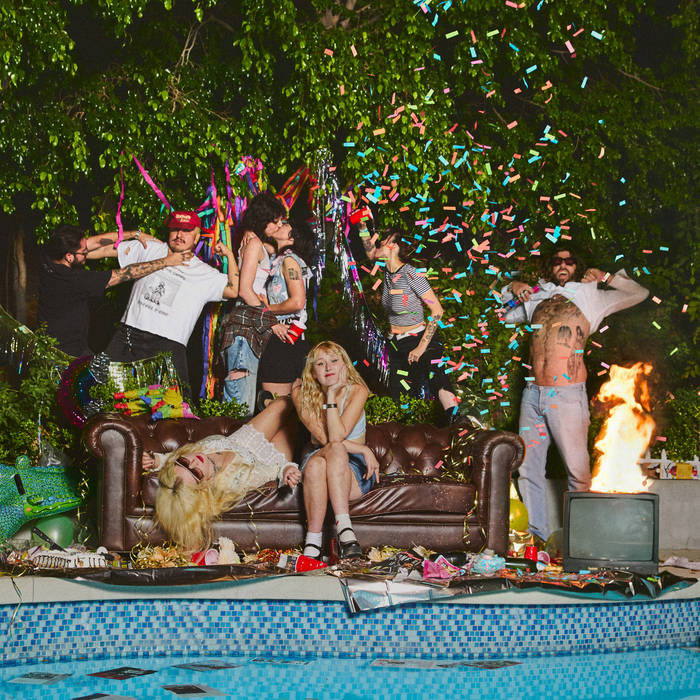 Do you hear that? No, it’s not the siren at the start of “Bad Apple,” Lambrini Girls’ punk-rock album opener skewering the police—it was our first Potential AOTY alert. Sure, we were only 10 days into 2025, but just listen to Lambrini Girls’ blistering, relentlessly fun, thorny, in-your-face debut LP Who Let the Dogs Out and you’ll get it. The Brighton duo—Phoebe Lunny (vocals/guitar) and Lilly Macieira (bass)—recorded the album in the Oxford countryside with Gilla Band’s Daniel Fox. It’s thrumming with a noisiness that never gets in the way of catchy hooks, but serves to amplify whatever Lambrini Girls are making music about, whether it’s internalized homophobia (“I said I liked the way she looked / But then I said no homo”), sexist workplaces (“Michael, I don’t want to suck you off on my lunch break”) or “Cuntology 101” (“Doing a poo at your friend’s house / Cunty!”). And a little PSA: Be sure to clear the space around you before you press play, because Lambrini Girls’ music demands that you thrash it out. —Clare Martin [City Slang]
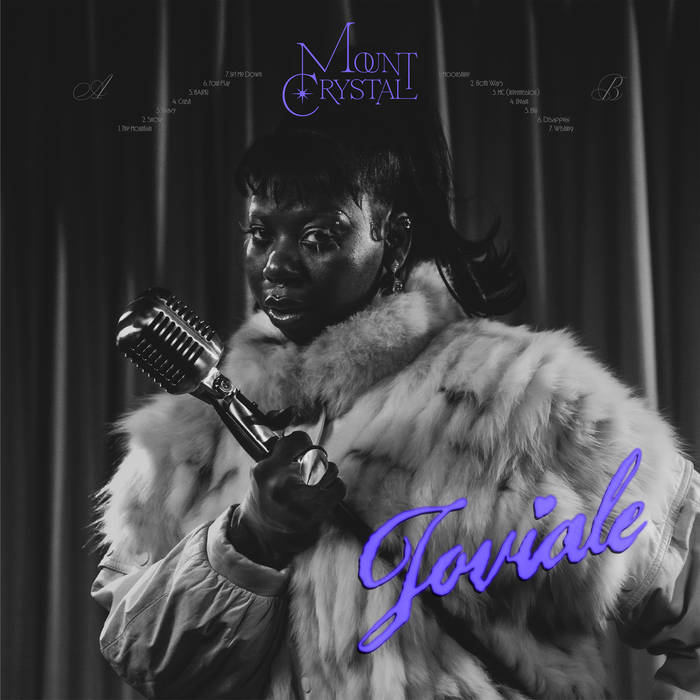 Mount Crystal exudes something ambitious and convincing. The album’s sources of inspiration feel exceedingly rare in today’s broader indie landscape. Even if Joviale shares some favored idols with Fabiana Palladino and Laura Groves, their nods to more eclectic stars of the ‘80s shake any notion that what they make is easy listening. Regular citations of Sheila E., including with the album’s understated cover, highlight a sonic esotericism that puts Joviale in conversations with like-minded auteurs such as Nourished by Time and Dijon. The way they mine the vault not just for lustrous synths but for abrasive percussion and complex rhythms makes them sound experimental at first glance. But, perched above those retro yet cutting-edge production chops is a knack for writing a memorable tune. Tshabola takes it a step further, imbuing their songs with narrative in the vein of Prince. To fit daring production, undersung diva worship, and a good story on one album shows a dedication to craft that few artists working today could ever hope to display in a single project. It’s evidence that Joviale is someone who can take an idea and extend it in all directions without stretching too thin. Mount Crystal is a synthesis of their long-standing worship of larger-than-life pop experimentalists, their love for jazz (the saxophone is courtesy of Ezra Collective’s James Mollison), and a call to marry rhythm, mystique, and vocal magic on a high concept album. Their approach is singular and full of a world-weariness, edge, and heart that makes their debut a proper pop roller coaster.—Devon Chodzin [Ghostly International]
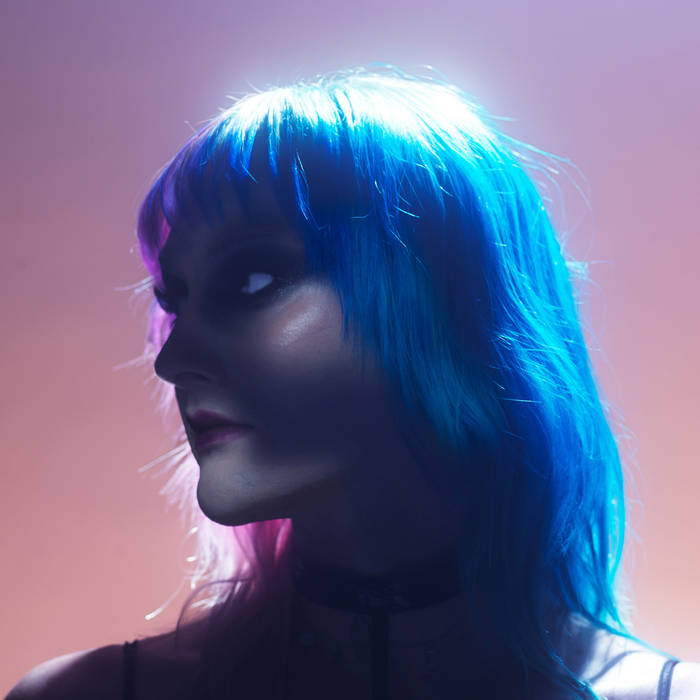 Jasmine Cruickshank—the Manc singer-songwriter who makes music under the name jasmine.4.t—celebrated becoming the first British artist signed to Phoebe Bridgers’ Saddest Factory Records label last year. Her debut album, You Are the Morning, was made in 12 days at LA’s Sound City with Julien Baker, Lucy Dacus, and Bridgers. On “Elephant,” Baker plays guitar and the Trans Chorus sing back-up vocals. Written about her first T4T love and during her transition, “Elephant” is a document of jasmine.4.t couch-surfing across Bristol and sacrificing a relationship in favor of healing. “We’ll be alone, but we’ll be safe from words we say,” she sings. “…I fall in your eyes, and then they read me like a book, but I’m not there.” “Elephant” is a brutal song simmering in bubbly indie-rock textures until it explodes into an orchestral, cacophonous whirlwind. The track, however, finds its resolve, as jasmine.4.t sings “look at this, it’s all for you” with the Trans Chorus of Los Angeles—there, hope rings without wounds. Elsewhere on the title track, jasmine.4.t sings an ode to her dear friend Han, who supported her through her transition while she was houseless. It’s a gentle folk song that tackles regret—for who we can, and cannot, save in this life. It’s as much of a dream as it is an act of resistance and love. “You deserve much better than what he gave you, wish I could’ve saved you,” she sings. “Not the time for you and me, maybe you don’t want a girl like me.” When Cruickshank delivers the final verse—“If I stay, if just for one more year, to place your hair behind your ear, to stroke your wrist from left to right as you hold me in the morning light”—you’re probably already weeping uncontrollably, but the song’s ending just ups the ante for good measure. —Matt Mitchell [Saddest Factory]
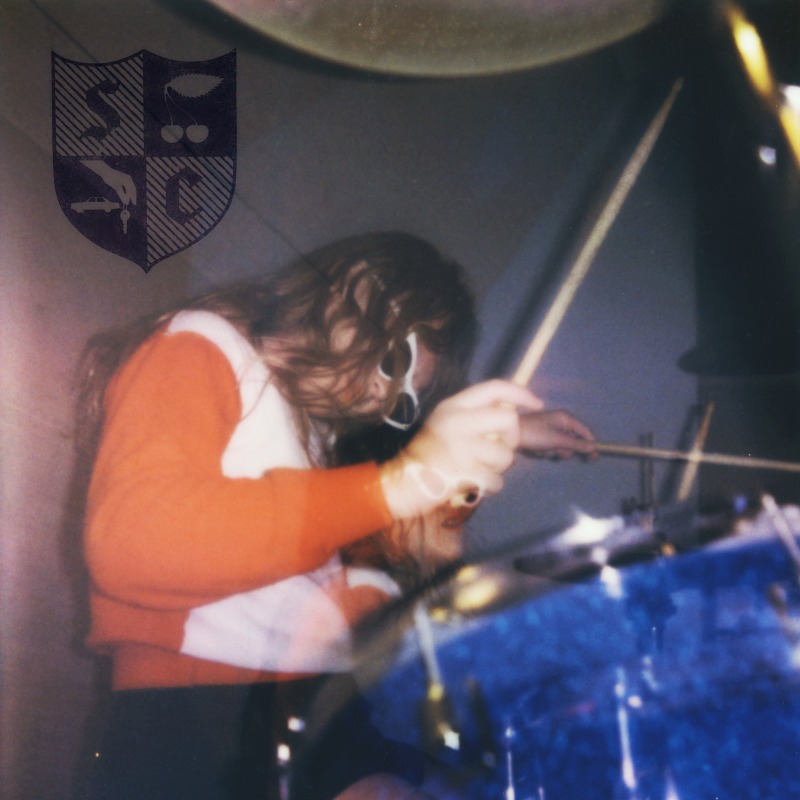 We’re older; Katie and Allison Crutchfield are older, 36 now. The surprise album Snocaps captures the growing pains, in bouncy, sometimes-country-fried, sometimes-punky, sometimes-elegiac songs. Broadly, the album is about the nostalgia of past mistakes turning into sage advice about aging. Specifically, it’s about cars driving down numbered roads, restless pride, loud bars, muses, being thorny girlfriends, addiction, big dreams, and toxic friendships. This is what well-rooted and courageous music sounds like. “Wasteland” welcomes a hailstorm of danger: “I’m running hot on empty, firing off some willful bottomline / Gave it everything I had, I am hazmat, I am radioactive / Caustic car wreck, off the rails and rude and ruining your life.” “Doom” ought to be one of the biggest damn things Katie’s ever done. Because her writing is so trenchant (“We may fall back into fiction / Know I always do / Make stale of me / No one’s immune”), a splashy arrangement would sound out of turn here, which is why Lenderman’s guitar pageantry comes with just the right amount of humidity. But what’s most impressive is how good her sister Allison sounds in that same environment for the first time, her singing taking its most-distinctive shapes on “Avalanche” and “Brand New City,” the latter’s riffs and harmonies fluent in P.S. Eliot’s looser indie-rock language. Allison’s musicality has always served Katie well, and it’s refreshing to hear her become fully uncorked on “Over Our Heads”—an 8-foot tall pop-rock song dotted with cursive riffs and a crack of twang. No singles, no music videos, no interviews, no problem: Katie and Allison have brought us a world of good-sounding miracles. —Matt Mitchell [ANTI-]
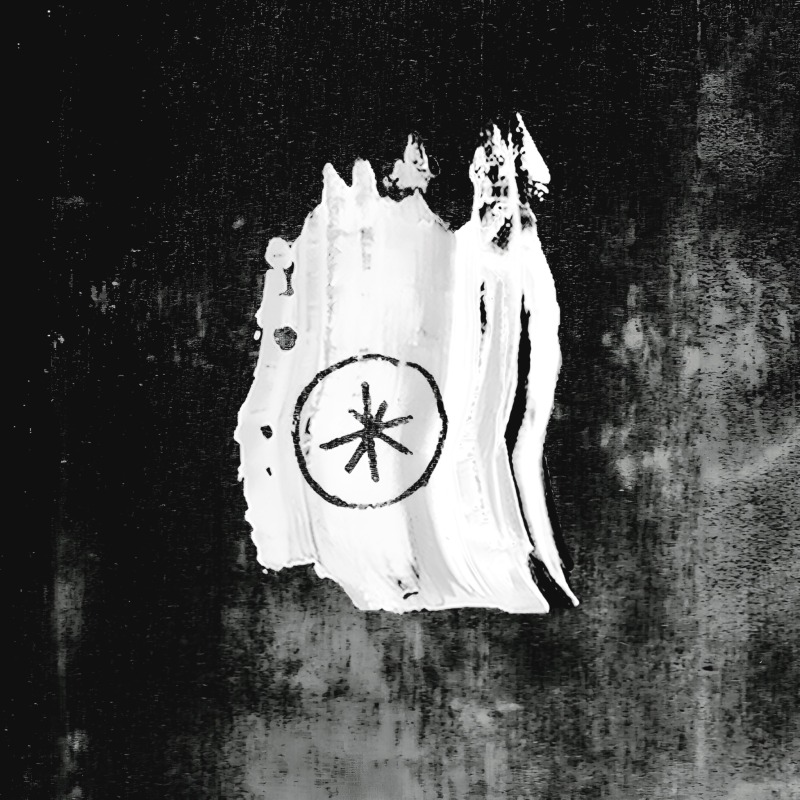 I pride myself on not being one to scare easily. The haunted hay ride is child’s play to me, I walk through Field of Screams like it’s a fairy flower garden, I’ll even go to bed watching horror movies and then sleep like a baby. So, it’s no small compliment when I say that listening to Glutton For Punishment left me with a serious knot in my chest. Heartworms is the musical alias of 26-year-old Jojo Orme, and she prides herself on this fractured, often dread-inducing discourse within the songs she creates. Her 2023 EP A Comforting Notion was a brief encapsulation of Heartworms’ pronounced style—a mashup of dark post-punk and hardcore industrial, but it left Orme feeling bogged down by the genre-defining expectations it set in place. Instead, Glutton For Punishment is a dilated full-length debut, rooting itself in the minimalist aesthetics of late ‘90s UK dance and carving paths into amenable pop hooks while retaining that atmosphere of overall chaos and emotional discomfort. Standout tracks like “Jacked” and “Warplane” are a far cry from the sounds of her EP. Orme sings about the haunting effects of war-torn violence, the flawed perspective of the human condition and the many shattered relationships she’s faced throughout her life, draped behind sharp, stinging guitars and ethereally warped techno beats. Orme elaborated on the musical growth Heartworms underwent in crafting the debut record saying: “With my EP, people kind of pigeonholed me into post-punk. I was like, ‘Cool, I can do that, but I can also do way more’—I can do post-punk, but I can also be poppy and catchy, and this album represents that. I think people might be surprised when they hear it.” —Gavyn Green [Speedy Wunderground/PIAS]
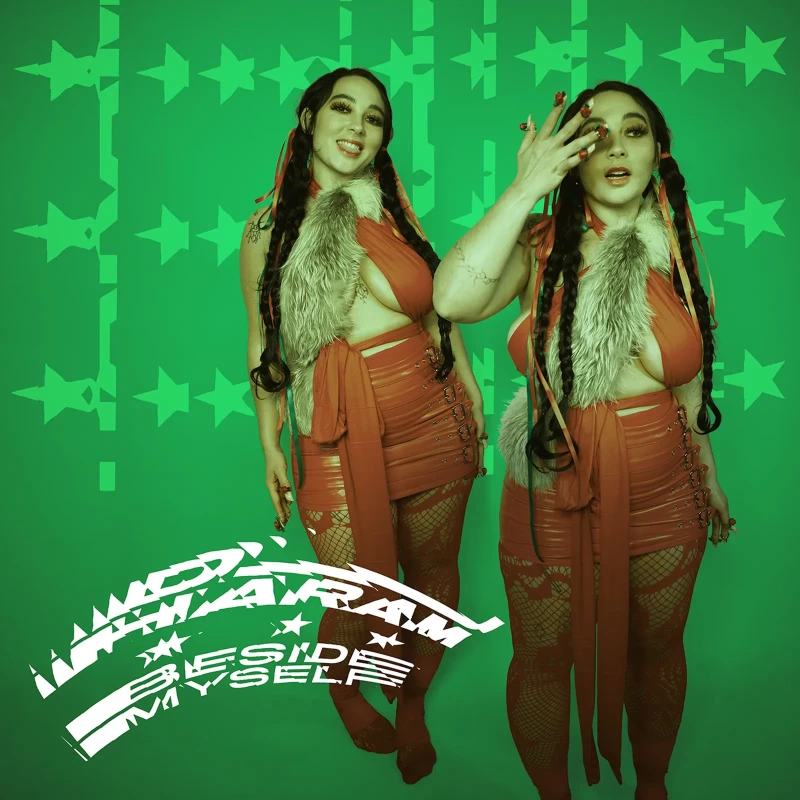 The debut solo album from DJ Haram, Beside Myself is a haunting palette of electronica packed with big beats, club stamina, and Middle Eastern percussion. Zubeyda Muzeyyen has been putting out music under the DJ Haram moniker since 2016, finding fans in the ranks of billy woods and YHWH Nailgun. On her proper introduction, she calls upon Armand Hammer, Palestinian rapper Dakn, and finds a reunion in her 700 Bliss partner Moor Mother, along with Carmen Nebula, Kayy Drizz, and Bbymutha. But a song like “Voyeur” is all DJ Haram. With darbuka drum blended into electronic drums and kamancheh, she creates an intense beat rooted in her Middle Eastern roots but combined with her love of punk and dance music, which she describes as “the voices in my head screaming wordlessly while I’m at the center of a mosh pit on research chemicals. —Tatiana Tenreyro [Hyperdub]
 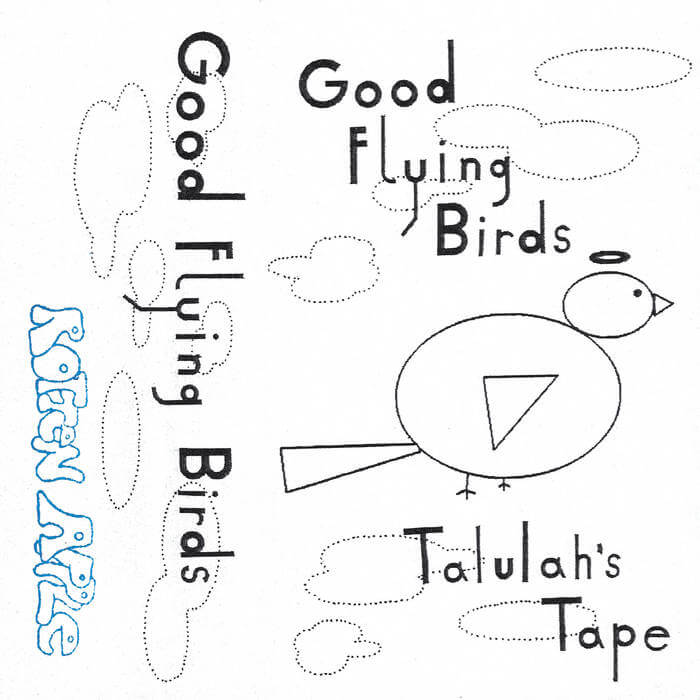 Good Flying Birds may or may not be directly influenced by D.L.I.M.C.—Kellen Baker didn’t cite them in Paste’s Best of What’s Next
 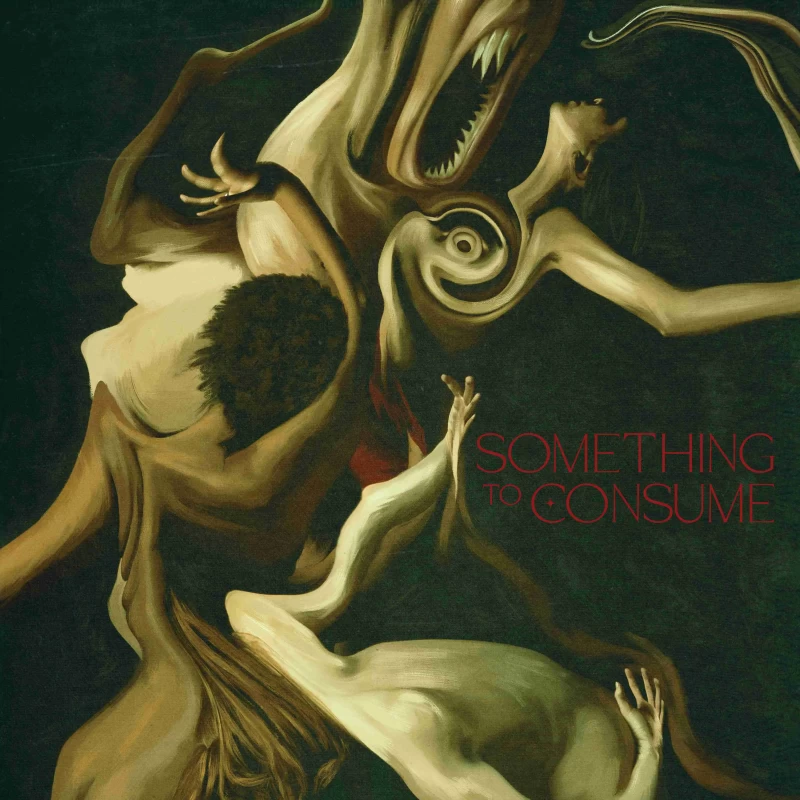 How good is Die Spitz? Well, the quartet was awarded Album of the Year by the Austin Music Awards last year… for an EP! The band, Ava Livingston, Chloe Andrews, Ellie Livingston, and Kate Halter, are one of, if not the best young live act in Texas right now, and their debut album, Something to Consume, all but confirms their place in the punk pantheon right now. There’s a great balance in the tracklist, as “Go Get Dressed”’s steady, gentle build turns into a thrashing, throbbing breakthrough on “Red40.” Every song pummels, but not every song blisters. Working with Will Yip, it’s clear that he was the best man for the job. Something to Consume tackles everything from hardcore to metal to grunge. “Riding With My Girls” is fantastic, and “American Porn” is a bad-bitch tome. “Punishers” carries Twilight inspirations, and the powerful “Voire Dire” sounds like a sign of our fucked-up times. There’s a trust percolating throughout the record, one brought on by four people who couldn’t imagine making music with anyone else. This is music that yells in all-caps. —Matt Mitchell [Third Man]
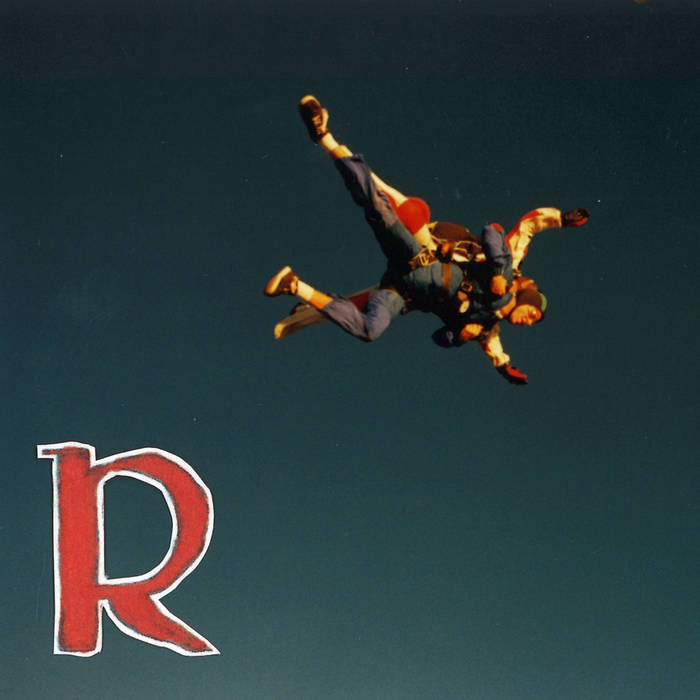 The band behind the fuzz are ready to rise, too: they’ve already warmed stages in the UK for their pumpkin-smashing forbears and signed to taste-making label Transgressive, all before the release of their debut album. Relatively speaking, it’s taken Rocket a hot minute to deliver R is for Rocket. After all, it was in high school that Alithea Tuttle and Cooper Ladomade added Baron Rinzler and Desi Scaglione to their in-crowd to become a quartet. (Tuttle and Scaglione have been dating since this time, too.) As of 2021, the four had officially become Rocket the band. And now, in their twenties, it seems the band is mastering the art of growing together with patience. All this to say: R is for Rocket is a fantastically confident and truly complete debut. It’s not perfect, but there’s nothing missing either. We’ve had bands in this genre space start hesitant and bedroom-y before tip-toeing into bolder self-actualization, like Snail Mail or Momma or Cryogeyser—and maybe some of that endearingly DIY uncertainty would have been nice to see from Rocket. But if they ever reckoned with that awkward growing stage, it was never publicized. Instead, to make their debut album, they strutted into not one but two of rock music’s sought-after studios: 64 Sound and the Foo Fighters’ Studio 606, utilizing the latter’s thunderstorm drum sound and the former’s storehouse of vintage gear. But rather than call in John Congleton or Chris Walla—or any of the go-to producers behind the big indie-rock statement albums of the last decade—to shepherd this process, Scaglione opted to wrangle the consoles. He made R is for Rocket sound big. His and Rinzler’s guitars whip up a hurricane, leaving only Tuttle’s bass to cling to. Their big pedalboard and bigger amps wail to the high heavens, reaching their extremes on “Wide Awake,” a track that’s less about the notes they’re playing than the mad-scientist way they go all Lee and Thurston with it. —Hayden Merrick [Transgressive]
 Emotional growth, and the mess that comes with it, is embedded into all the songs on Now Would Be A Good Time. It’s in the quietly furious unraveling of “Hotel TV,” the surrealist fuzz of “Moth Song,” and the sarcastic delivery of “Am I lucky or am I just sane?” on “God’s A Different Sword.” It’s all interpersonal static and intrusive thoughts; slippery feelings that resist easy framing. The result is an astonishing record, music anchored by harmonies so instinctual they sound almost telepathic. It’s hard not to associate Folk Bitch Trio with their genre namesake. But the band views folk with more fluidity, leading to some nods to the greats—a Ted Lucas cover, Mitchellian acoustics on “Mary’s Playing the Harp.” But the spirit of folk music isn’t just in the jangly acoustics and tight harmonies. It’s also in the depth of storytelling, the unflinching vulnerability, and the deep-rooted friendship of Folk Bitch Trio. —Cassidy Sollazzo [Jagjaguwar]
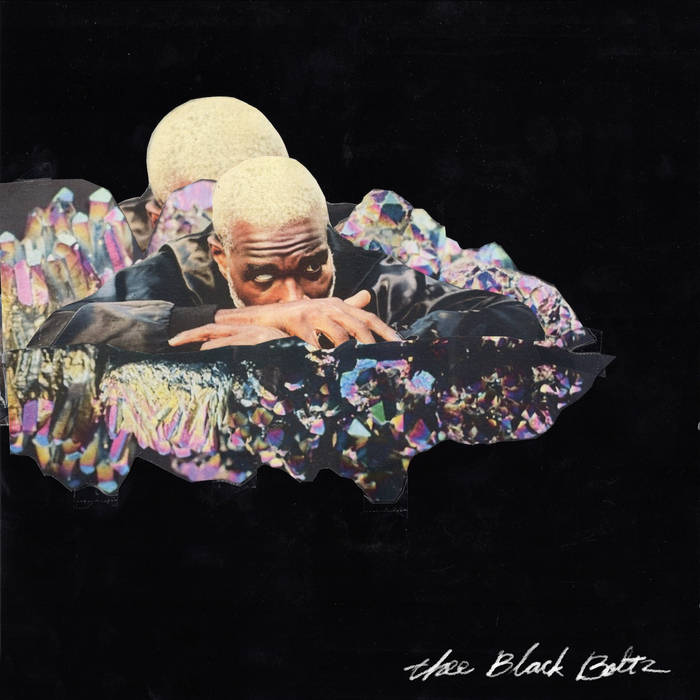 On Thee Black Boltz, Tunde Adebimpe is a wholly unplaceable spirit. He’s thriving in collaboration, meditating in creative anima and untethered by expectation—still evolving; still electric. This is no side-bar creative pursuit, but an album scarred by personal loss, most tragically the sudden death of his younger sister. Furthermore, Adebimpe is wrestling with a world in complete political freefall, one still reeling from the pandemic, and yet he dares to search for life within that wreckage. Maybe it’s not purely joyful, but it’s working towards joy, finding a silver lining in each new idea and moment of fluorescent hecticism. And, God, if Thee Black Boltz is ever hectic. The title track doubles as both an overture and a poem—a service announcement obscured by tape hiss and repeated vocal scratches. “Say we start in the stars / Descend to the mountain / Walk down and through the hillside towns / Settle our love and hate affairs / Walk down through the edge of the wood to the edge of the brook / Sit and lament some happy, sad run / That the base of the mountain / Turn, the black bolts learned / That change is all looking at the stars / The black bolts / I did hear, all / I hear a tune,” Adebimpe recounts. As the tape clicks off, we’re left only a second to reflect upon the scene he has laid out. His peaceful snapshot of nature is immediately doused as “Magnetic” barrels in—a lit fuse for the remainder of the album. There’s a manic feeling of urgency to the music here, with sprinting synths and a stammering drum beat at odds to overtake one another. When it first dropped as a single, I had only TV On The Radio material to compare it to, but even in the context of the album, “Magnetic” is Adebimpe at his most distilled—boiling rock, electronic, and post-punk into what I can only call a danceable panic attack. It’s feverish; it forcibly jars your nervous system into fight-or-flight with jaw-clenching, head-banging momentum. —Gavyn Green [Sub Pop]
 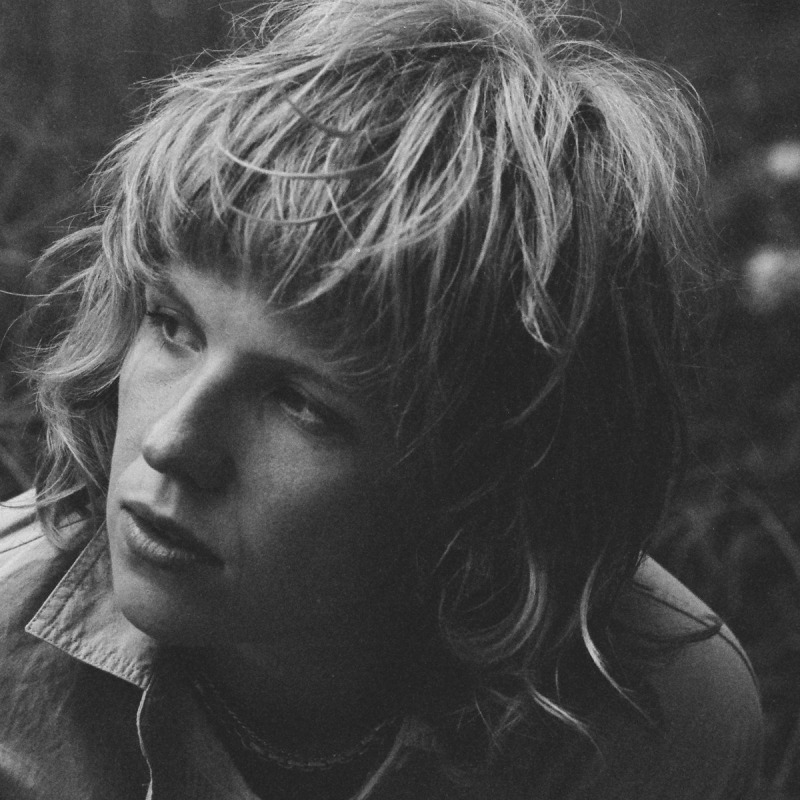 The 12 songs on Dead Gowns’ debut album, It’s Summer, I Love You, and I’m Surrounded By Snow, were recorded from 2020 through 2023, captured in bedrooms, gymnasiums and churches around Maine and its coastal islands. Portland, Maine-based musician Genevieve Beaudoin writes blizzards of expressions, pairing the caterwauling rasp of her crushing vocal with metallic, dreamy guitar melodies. Songs like “Swimmer,” “Maladie,” and “How Can I” are poetic and sung with lived-in courage. “Goodbye, old friend now gone to start over,” Beaudoin muses on “In the Haze.” “You’re still a knot of string, taut under my skin the trees have twice turned over.” A tempered breakdown brings the song to a crooning, craving crescendo and cements. Every verse on “Wet Dog” is a rapture, as Beaudoin sings with the quivering, rusted might of Burn Your Fire For No Witness-era Angel Olsen and a band barrels alongside her like bar-busking stage tramps. “Oh, you know you are so frustrating,” she howls from her belly. “A horse cut from the carousel, you are grating the lines from every spore that point us where we were on the ferris wheel.” A bridge of “oohs” transports her through tethers of want and touch. Then, the outro’s tempo thaws out, revealing Beaudoin’s final wail: “I am your wet dog. Wet dogs don’t like fireworks.” It’s Summer, I Love You, and I’m Surrounded By Snow as one of the year’s best artist introductions. —Matt Mitchell [Mtn Laurel Recording Co.]
 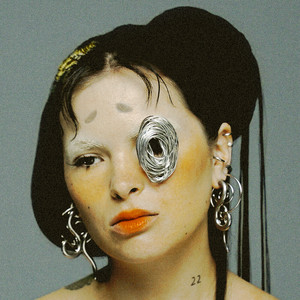 In 2022, Saya Gray’s 19 MASTERS felt like an asymmetrical launch pad for art-pop’s next savant. And her EPs, QWERTY and QWERTY II, displayed an ability to make stripped-back noises sound larger-than-life. Her debut LP SAYA is confirmation that her music is its own kind of cinema. These songs are spiritual, even in their cell-splicing beats, reverb sonar and drive-you-mad transitions; the guitars are intricate and the rhythms lope and twang through wounded frames. Gray’s classical background (her mom founded the Discovery Through the Arts school in Toronto and her dad is an acclaimed trumpeter) makes for good context, as SAYA is its own body and brain, a breakup exercise full of epic, idiosyncratic stories of farewell and mourning cut up into an all-encompassing and all-evading menagerie of trip-hop, psych-folk, prog-rock, glitch-tronica and dubby fusion. Written on a retreat to Japan during the comedown of 2023, Saya Gray has colored reinvention in ten stages of grief, setting nebulas aglow in the dust, in the bizarre and in the bold. —Matt Mitchell [Dirty Hit]
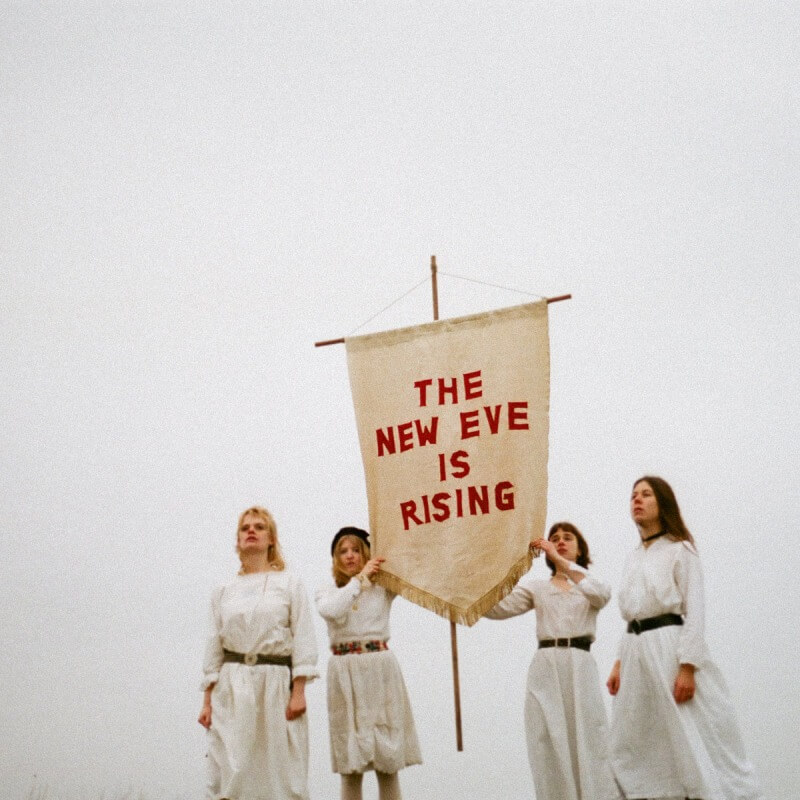 The New Eves’ debut album is a folk-punk freakout sowed into a strange and raucous strain of rock and roll. The Brighton four-piece spent four years testing their mettle before unleashing The New Eve Is Rising, chanting “The New Eve fucks if she wants to!” so loud it pops the sound barrier. The kulning singing on “Cow Song” is like a ritual, while the violin-textured surf-punk of “Highway Man” sputters and spasms. The 8-minute “Volcano” walks through a handful of experiments before finding momentum in a guitar riot coiled around Violet Farrer’s violin. “Circles” and “Mary” sound like hexes. “The New Eve” is a mad preacher’s sermon on womanhood. Voices flank every instrument and wash over me like an incantation. The Biblical, gargantuan The New Eve Is Rising sounds unlike anything else I heard this year, despite various publications making comparisons between them and the Velvet Underground or Patti Smith. I like what Paste contributor Elise Soutar wrote in her newsletter this summer best, that the New Eves are “Florence Welch’s true daughters. They’re doing what the Last Dinner Party think they’re doing musically.” Baked beans, forbidden trees, horse-riding robbers abound, The New Eve Is Rising is a title I haven’t been able to forget about. —Matt Mitchell [Transgressive]
 Summer officially started when crushed’s debut album, no scope, was announced in June, accompanied by “starburn,” a sexy, catchy emblem of plush alt-rock and sugary trip-hop. The beats swayed and sauntered in my headphones; Bre Morell’s voice floated through colorful lines (“time swings us against the ropes with nowhere to fall back to”; “never thought that I’d be chased down hard by a lifetime, gravity has come to collect on mine”) and Sean Durkan’s plugged-in flashes of humid, poppy explosion. crushed has always been a pop act, but on no scope they’re even more so. Morell and Durkan all but abandoned their post-punk beginnings and bonded over the nineties together, naming their shared mix of liked songs “VH1” and hoping to make the kind of music you might stumble into while channel surfing twenty-five years ago, like
  YHWH Nailgun’s debut album, 45 Pounds, is a quick listen, but it will linger inside you long after “Changer” ends. Think
 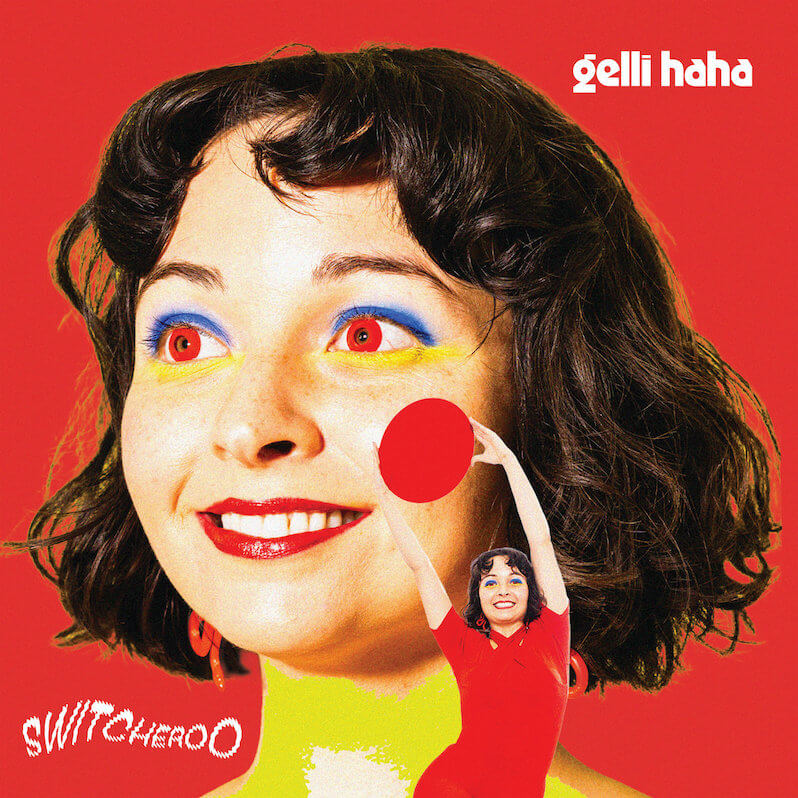 Switcheroo is a dance party of primary colors, Electrix effects, and strange samples (Did you hear the bear attack on the back half of “Dynamite”?) that emerged through Angel Abaya’s careful songwriting and a love of twisted disco shared with co-producer Sean Guerin of De Lux. Together, they warp dance and synth-pop with a post-punk gloom that underscores Abaya’s aestheticized and verbalized absurdity. It makes a song like “Spit” sound deadly serious, sometimes approaching the intensity of Boy Harsher, but once you dive into the lyrics, you realize it’s a sequence of S-words uttered seemingly at random (repeating the word “Surrender,” though, is ominous). “Normalize” has a similar entropy, as Abaya lists rhymes in dulcet tones: “Anesthesia / Euthanasia / Homophobia / Hemophilia / Diphtheria / Arrhythmia / Cornucopia / Pedophilia.” It sounds like clanging, the mental looping phenomenon explored on rapper Emily Allan’s album of the same name. Clanging is un-free association, a space where the poetic resonance of rhyme grows from a funny coincidence into gospel. Even to an observer firmly tethered to the ground, clanging can produce feelings of obvious disorientation but a nagging sense of interrelatedness. But, where Allan locates clanging as a manifestation of psychosis, Abaya dances with it as part of an effort to navigate familiar torments. Pummeling opener “Funny Music” sees her declaring herself funny as she requests your active participation in the clown-audience dyad. What glimpse of pathetic artifice or defensiveness we get is over before we know it with a “BONK.” Then there’s “Tiramisu,” an uptempo thumper with sandpaper vocals Insecurity, exasperation, and conflict aren’t just for the edgy production choices; they’re essential to Abaya’s songwriting. Where she once shared such meditations through pensive indie rock, throwing them through the prism of the “Gelliverse” between more inscrutable takes gives them a little more weight. It’s proof that you can’t get away from them no matter how many friends you invite over for trampoline misadventures, puppetry theatrics, or color-blocking makeovers. —Devon Chodzin [Innovative Leisure]
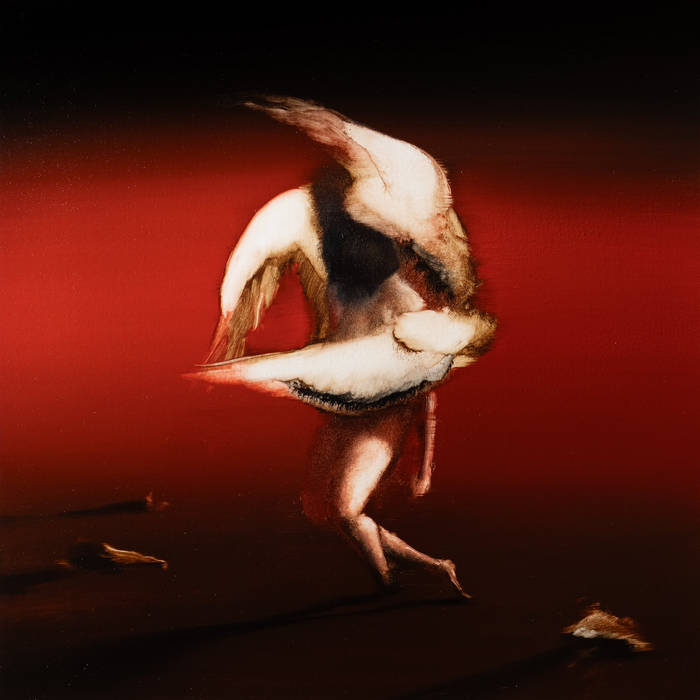 On Maruja’s long-awaited debut LP, Pain to Power, the song-building unfolds like a series of grieving mini-suites, as disillusionment and spirituality sit at odds with one another in these grand musical gestures of empathy and relevance. Maruja extrapolates history by resisting annihilation, tyranny, and the consumerism that currently preys on vulnerable people. The ongoing extermination of Palestinians and the ongoing massacre in Gaza both anchor the album, as do images of a global migrant crisis, failing healthcare system, and rising authoritarianism. “We may sound angry, but our message is one of peace,” Harry Wilkinson tells every crowd he meets. The feral and loving atmosphere of Pain to Power is a revolution hewn by a faith in unity and illustrated in simplistic, recurring motifs. As “Reconcile” goes: “We are love in abundance.” Intensity is warped by impulsive and improvisational clatter, and it’s at its most traumatic on “Break the Tension,” as Wilkinson yells, “Can’t make a difference, can’t stop the feeling,” over bursts of sound interlaced through four instruments that sound like twenty. The dissonance of “Trenches,” cuffed to a frenetic punk scaffolding, presents itself through Carroll’s concussive saxophone zigging in one direction and Hayes’ cauterizing drum kit zagging in another. Irish mythology spawns into “Saoirse,” which translates to “freedom” in Irish Gaelic and became a cherished name during the creation of Saorstát Éireann (the Irish Free State) in the early 19th century. Maruja turns “Saoirse” into a demand for humanness and liberation, as Israel’s genocide of Palestinian people remains ongoing. Pain for Power is overwhelming but never threadbare, packed with colossal brass, elastic diatribes, and tourniquet rhythms. —Matt Mitchell [Music For Nations]
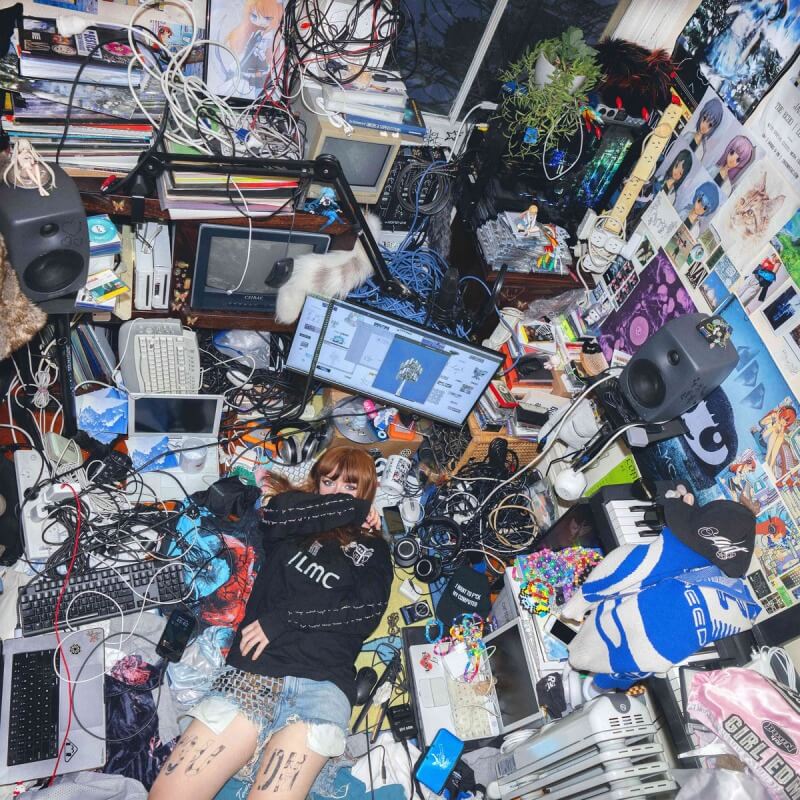 I Love My Computer teems with zillennial nostalgia, both in subject matter and sound. It’s autobiographical, with Ninajirachi telling the story of her musical coming-of-age, thanking the computer that made it possible. It’s a meta, ultradevotional, music-about-music record, and the fact that it was created entirely on a computer is the point. There are only so many of us who grew up in a time before parents realized iPod Touches were basically phones, and Nina Wilson writes from inside that exact window of unsupervised digital childhood. Much of the record carries the DNA of early 2010s EDM and electronica, the era of blown-out beat drops and maximalist production that imprinted differently when you heard it at 11 instead of 21. I Love My Computer sounds like the natural result of that kind of early exposure—elastic, impressionable. It makes me think about the first time I heard the A-Trak “Heads Will Roll” remix (I was ten) and how, in that moment, I learned that a song actually could swallow you whole. I Love My Computer is one giant mix of hyperpop, electroclash, and EDM, and the music is so endlessly frenetic that you don’t even have time to think about breathing. “Battery Death” is pure anarchic, Zedd-era maximalism; “Delete” could easily slot into the how i’m feeling now tracklist or a PC Music compilation. “London Song” opens the record with a blown-out, crunchy, what-The-Dare-thinks-he’s-doing kind of bass thump. It bleeds right into “iPod Touch,” a cutesy, sped-up bop referencing not just the titular device but its Pikachu case and the tiny rebellions it enabled. By sidestepping the traditional skill hierarchies she inherited, Wilson shapes a unique and fascinating EDM/electronica world. Ninajirachi is both the multiverse and its maker, possessing the all-consuming scale and the singular perspective, both of which anchor I Love My Computer from the inside. —Cassidy Sollazzo [NLV]
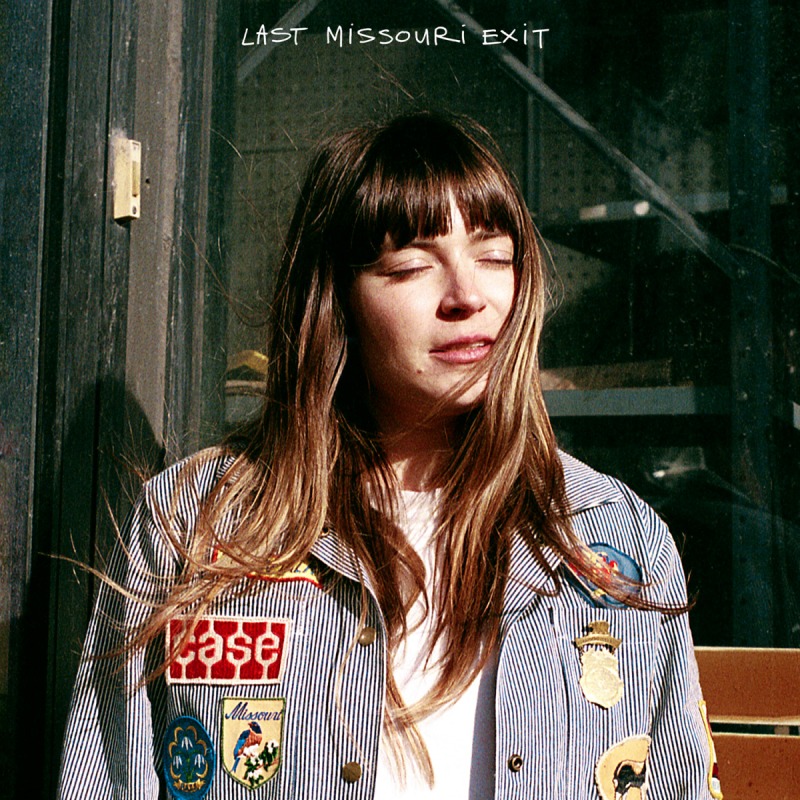 Case Oats’ debut record, Last Missouri Exit, does not reinvent the wheel. But it isn’t trying to, nor does it need to. Frontwoman Casey Gomez Walker’s voice undoubtedly calls on the earnest plaintiveness of Mo Tucker, her songwriting brings to mind David Berman’s interpolation of lived-in specifics and heart-rendingly blunt self-analysis, and the instrumentation takes after Wilco (unsurprising, considering Spencer Tweedy is Gomez Walker’s fiancé and the band’s drummer). The record is squarely set in alt-country territory, yet it still feels fresher than a host of recent albums straining to claim some “lush” sound as invention. Case Oats aren’t forcing originality or fleeing lineage—they’re simply writing what they know, and in doing so, carve out something novel. It helps, too, that the band—Gomez Walker and Tweedy alongside Max Subar (guitar, pedal steel), Jason Ashworth (bass), Scott Daniel (fiddle), and Nolan Chin (piano, organ)—evidently view the Case Oats “sound” as malleable and ever-changing; not some static standard to meet. The album might not venture out of alt-country territory often, but that doesn’t mean there’s no exploration; it just goes for depth rather than breadth. Rather than spanning myriad genres, Case Oats instead takes listeners on a veritable road-trip through the entirety of alt-country and all its nooks and crannies. “Seventeen” is pure Kimya Dawson with its up-tempo melody and deadpan talk-singing. On the other hand, the twang and rhythm of “Bitter Root Lake,” a Dateline-inspired homage to the age-old folk tradition of the murder ballad, calls The Old 97s to mind. Time is, by nature, amorphous and life, by nature, finite. But on Last Missouri Exit, neither of those truths are greeted with fear. Even when facing down the barrel of life’s most notoriously terrifying constants, Gomez Walker barely flinches, instead embracing fate with open arms. The whole thing reeks of a kind of radical acceptance that, ironically, the ages the album reminisces on are defined by categorically refusing. When you’re 17, everything is alien and terrifying. But when you’re 30 singing a song you wrote in your twenties about how you felt at seventeen, the sharpness softens, deepens into something more layered. Like wine, some things just need to age. —Casey Epstein-Gross [Merge]
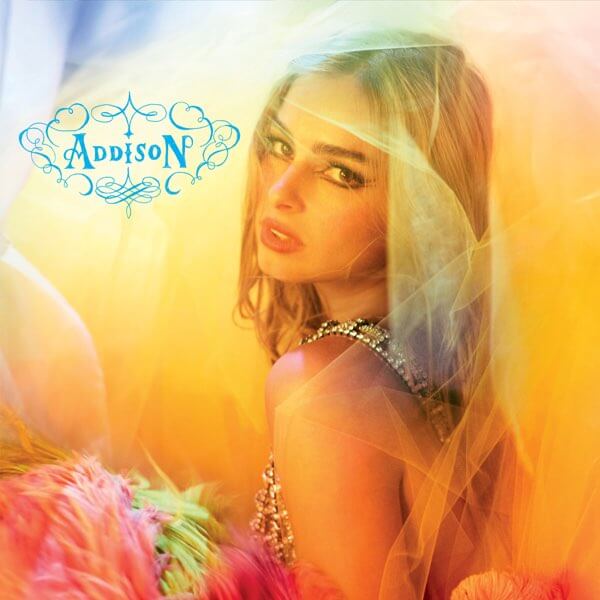 Addison plays with reckless abandon, and that audacious approach is at the core of the album. Lead single “Diet Pepsi” features a smattering of early Lana Del Rey-isms, and leans into the equal silliness and sensuality of a car hookup. Addison Rae whispers in her high register, pleading with her beau to declare his love for her while tangled up in each other’s limbs, while the synths glide overhead. She makes it sound like the difference between life and death. This also isn’t the only song that calls Del Rey to mind; “Summer Forever” recalls vignettes of sun-kissed, sticky skin and the wide-eyed awe of Lust For Life’s “Groupie Love,” where both artists swoon over the mere company of their lovers. This earnestness threads throughout Addison. “New York” is about the millionth love letter written about the Big Apple, but pulling from Charli XCX’s electroclash school of thought sets the album off on a high note. Rae’s gliding harmonies and hyperventilating breaths layer over a ticking bass drum as it mutates from an early FKA twigs demo to a saccharine sibling of Underworld’s “Born Slippy (Nuxx).” Some may say money can’t buy happiness, but Addison raises an eyebrow at that idea. The hedonistic anthem “Money Is Everything” inquires: What would it sound like if Britney Spears and Kreayshawn made a song together? Rae plays off the track’s cheekiness with such sincerity, giggling through lyrics about requesting the DJ to queue up some Madonna, that it’s irresistibly charming. Even in the more melancholic scenes of the record, she spends them in a meditative, optimistic state. The R&B forward standout finale “Headphones On” functions as a succinct mantra for when times get tough; grab your earbuds, strut to the corner store for some Marlboros, and weather the storm. “You can’t fix what has already been broken,” she sings, manifesting brighter skies. “You just have to surrender to the moment.” Maybe pop music can learn a thing or two from Addison’s radical optimism. —Jaeden Pinder Columbia
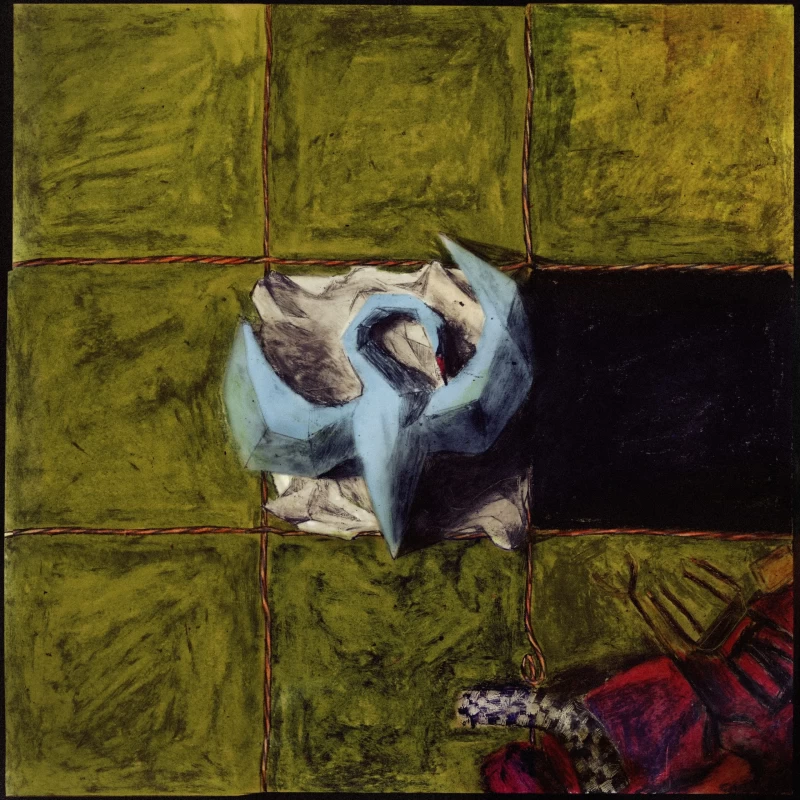 There’s not a thesis statement to Blizzard, per se, but the more I listened, the more I returned to that same sentiment, albeit from multiple angles. Naturally, it resonates thematically across the record—within individual songs (“Little Left Hope,” “Love Is,” “Heaven Has No Wings,” “It Is A Blizzard,” and so on) and as a subtle connective tissue across the arc of the album. Even sonically, the album insists on the tangible: it’s littered with instrumental creaks and scrapes that sound almost accidental—an off-beat brush of a stick against a drum, a faint blurted shriek from a reed, a barely-there tick of a metronome. You feel as if you’re in the room, the cracks of Dove Ellis’ made-for-indie-folk voice ringing in your ears. The production is kept light and dry, adding an immediacy to the deceptively dense arrangements: percussion from Matthew Deakin and Jake Brown grounds the restless tempo while Reuben Haycocks and Louis Campbell’s guitar fleshes out the rest of the sonic foundation. Lili Holland-Fricke’s cello, Saya Barbaglia’s strings, and Fred Donlon-Mansbridge’s reeds, on the other hand, flutter around the edges, feeling almost like characters themselves. Yet the emotional depth of the album rarely inhibits Ellis’ apparent ability to churn out radio-ready hooks. His voice, meanwhile, remains the centerpiece—a flexible instrument that winds through octaves and moods with disarming warmth. To be blunt, he’s been blessed (or cursed) with what might be the Platonic ideal of a white male indie-folk-rock voice. Every breath seems to conjure a reference: namely, a Jeff Buckley cry, or perhaps a Thom Yorke murmur, or maybe a Cameron Winter vibrato. I even heard Will Toledo in there somewhere (the refrain in “Love Is” calls to mind Teens of Denial-era Car Seat Headrest), as well as Andrew Bird (the whole of “Jaundice”) and, for a split second, Xiu Xiu’s Jamie Stewart (the eerie near-whisper at the end of “To The Sandals”). Crucially, though, it never feels derivative. Where many peers echo past voices to trade on nostalgia, Ellis uses those echoes as scaffolding for his own tonal world—one where sincerity is reasserted as avant-garde. It reclaims the sincerity of the folk lineage without retreating into pastiche. —Casey Epstein-Gross [Black Butter/AMF]
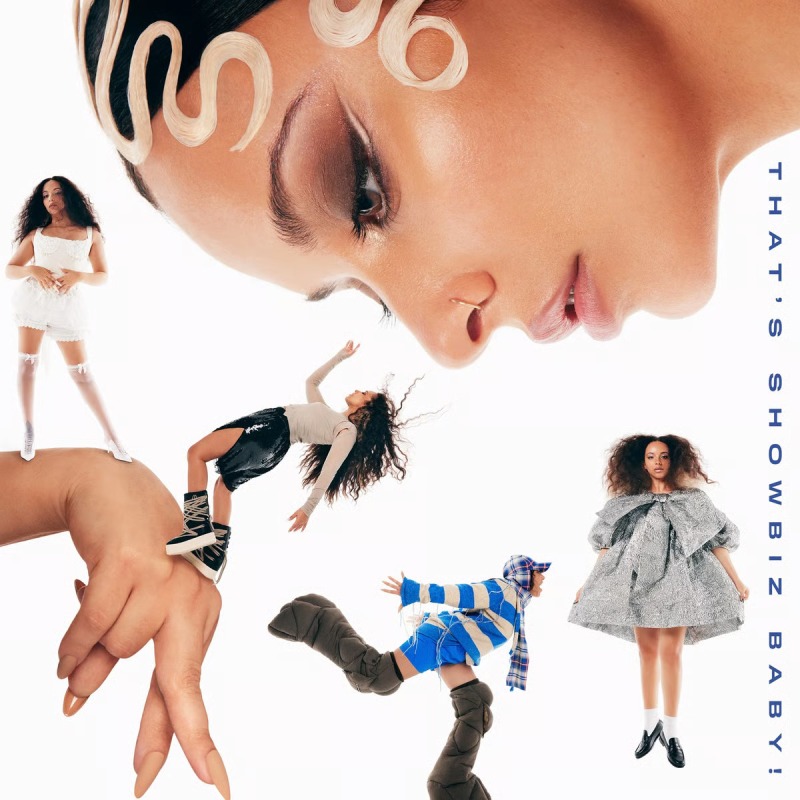 JADE’s debut solo album THAT’S SHOWBIZ BABY! comes on the wave of a maximalist pop revival. While the dominant mode of pop stardom of the late ’10s and early ’20s favored a more muted sound—folk influence, whispery vocals, a lyrical and aesthetic focus on confessionalism and vulnerability—the past year or so has seen the pendulum swing back towards a brasher, full-glam flavor of pop that blurs the line between authenticity and artifice. The true turning point was the summer of 2024—BRAT-mania, the “Espresso”-led rollout of Short n’ Sweet that turned Sabrina Carpenter into a household name, the delayed but fervent reaction to Chappell Roan’s big gay rhinestone cowgirl oeuvre,“Diet Pepsi” marking Addison Rae’s transformation from Hype House alum to trip-hop Britney, and JADE’s reintroduction with “Angel of My Dreams.” Like its lead single, most of the songs on THAT’S SHOWBIZ BABY! feel like amalgamations of all the weirdo pop ideas that JADE couldn’t quite bring to the table as a member of Little Mix for fear of chewing too much scenery or not sounding commercial enough. It’s hard to imagine the girl group embracing the vogue-able electroclash sound that JADE does on “IT girl” or “Headache”—the latter of which sounds straight out of Santigold or M.I.A.’s early catalogue at times, give or take some Fame-era Gaga theatrics. Maybe Little Mix could’ve attempted the kind of horny high-camp JADE pulls off on “Midnight Cowboy,” but only JADE the solo star could’ve made it her own with outrageous and deep-referential patter (“I’m the ride of your life, not a rental / I’m the editor, call me Mr. Enninful / No vanilla, let’s experimental”) or a spoken-word intro from actor Ncuti Gatwa. THAT’S SHOWBIZ BABY! positions JADE’s relationship to making music as the most epic, tragic, thrilling, fucked-up love story of her life. This framing isn’t new—the musician enthralled in a passionate yet destructive love affair with their own work, singing love songs and breakup songs to the music itself—but she blows it up to its most theatrical proportions. —Grace Robbins-Somerville [RCA]
 “And I don’t mind / A little waiting.” That quiet declaration captures the environment that shaped rising folk artist Annahstasia’s full-length debut. She carried the songs that would become Tether for three years of life’s twists, letting them evolve into a stirring meditation on love, loss, and human connection. The record’s minimalist atmosphere leaves space for gut punches that feel both blatant and subdued, with unexpected, paradoxical elements evoking a haunted intimacy. On “Unrest,” her vocals swirl with gentle woodwinds and plucked acoustics, creating an understated tension. Annahstasia collaborated with artists like aja monet and Obongjayar, recording exclusively in live takes, a choice that adds to the album’s lived-in world. Her voice sits at the heart of Tether, the force from which everything else blooms. The stirring vibrato in “Be Kind” and raw delivery of “Villain” hit with the visceral power of early Florence + the Machine. Tether sounds like it was recorded in an empty warehouse, as each track echoes through stacked layers of reverb and delicate instrumentation. At some points, it builds to an overwhelming crescendo (“Take Care of Me”), the effect so gradual you barely notice until you’re submerged. The standout moment comes on “Overflow,” where shimmering acoustics lay the groundwork as Annahstasia’s vocals ring through the track with striking clarity. The song’s poeticism shines in the pre-chorus, where first lines mirror ritualistic weight: “I lay my brain on the hook,” “I lay my head in the grass,” “I lay my heart on the line.” That same poetic spirit carries through to “All Is. Will Be. As It Was,” as spoken-word verses alternate with spare acoustic guitar and piano, stripping the composition down to pure language and tone. —Cassidy Sollazzo [drink sum wtr]
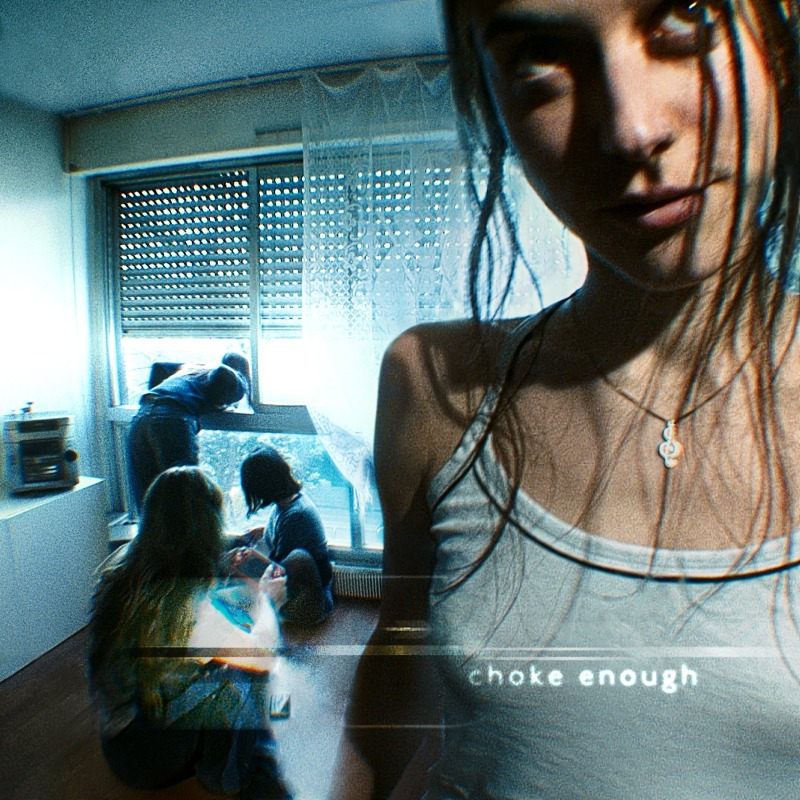 It feels like Oklou makes pop music for the kids who played through Bach’s The Art of Fugue. Having grown up classically trained in France, Marylou Mayniel’s output at the end of the 2010s reveled in the peculiarities of closely held melodies and harmonies, and she emerged as the eternally understated figure of the NUXXE world. With choke enough, Mayniel’s precise rhythms and dynamic shifts give what sounds at first like bite-sized electro-pop into an exquisite tapestry of classical precision and pop swagger. The digital clarinet on “obvious” is weird and beguiling; the negative spaces between her flute and keys on “thank you for recording” make the song feel as light as a snowflake. choke enough is full of charm and care that make every song feel like a miniature world to explore. —Devon Chodzin [True Panther]
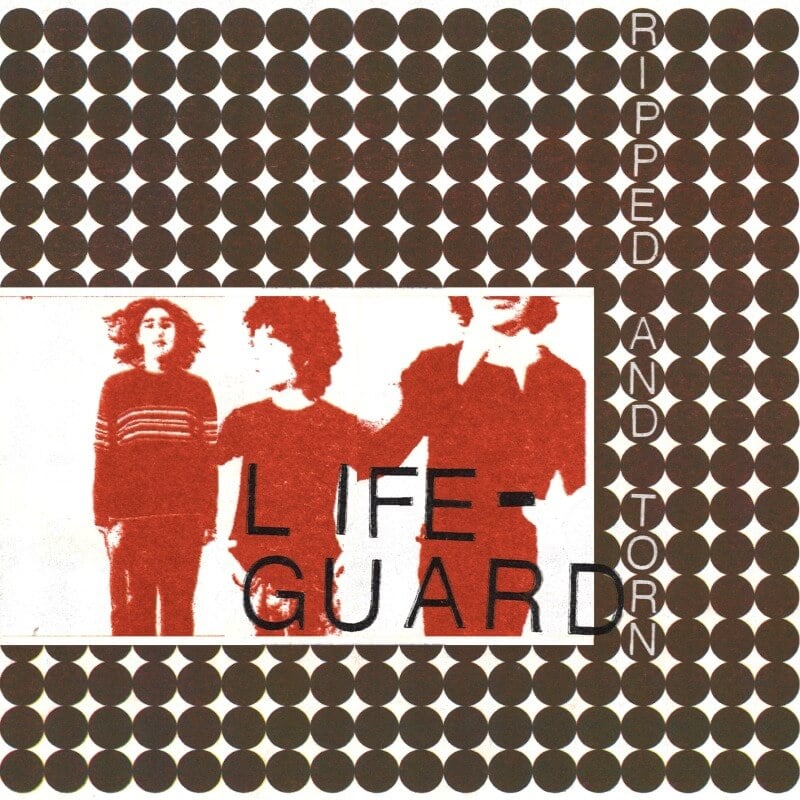 Lifeguard’s story sounds straight out of a coming-of-age film. Before graduating high school, the trio got signed to storied indie label Matador, following word-of-mouth success in their local Chicago scene. Thriving from a young age isn’t that surprising anymore. Artists like
 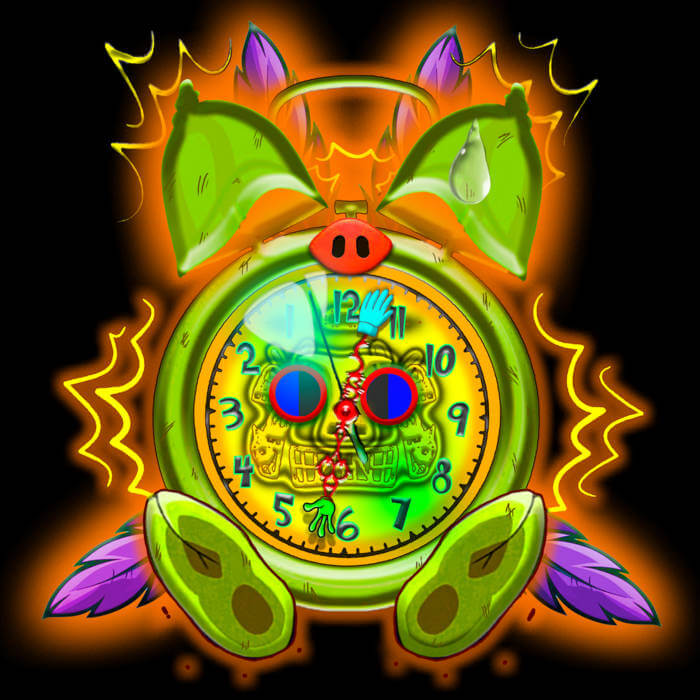 On their own, the siblings behind Los Thuthanaka have grown into mystical, technicolor talents in the world of experimental composition. Between the Great Recession and 2020, the artist now known as Chuquimamani-Condori reworked electronic and folk traditions across a panoply of aliases, albums, and collaborations. Their 2023 reemergence on DJ E has become one of the decade’s most celebrated projects. Their brother, Joshua Chuquimia Crampton, has spent this decade cultivating a vast repertoire of electrified guitar compositions that explore psychedelia and Aymara traditions. Los Thuthanaka is a bold suite of turbocharged huayño, caporal, and kullawada recursions that look back at queer traditions while projecting a future that’s loud, kinetic, and liberated. It’ll leave you feeling infinitely more energized. —Devon Chodzin [Self-Released]
 Keep scrolling for more great stories.