
Climbers race against time, the elements, and each other for the glory of The Last First: Winter K2
A rare unachieved mountaineering feat lures a motley crew in this dramatic, harrowing documentary.
Photo: Apple
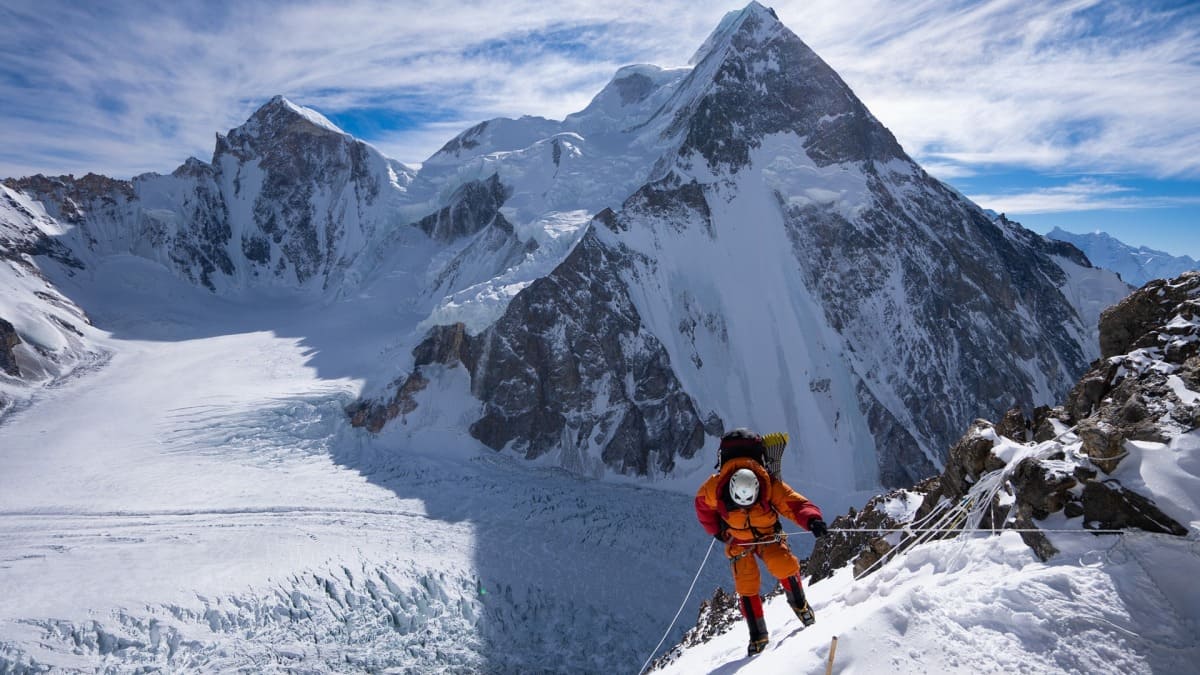
Just as the prevalence and clarity of satellite imagery has cleared the magical uncertainty from the obscure corners of the globe, so too have the highest points of the world lost some of their unattainable luster thanks to the forward march of technology and commercialism. Once synonymous with the impossible, Mt. Everest has been a high-priced tourist attraction for decades. There are so few first ascents left of the major mountains, many of these left unsummited out of respect for the religions and cultures of those living around them, that extreme mountaineers are left pushing their goal posts further and further into danger, looking for some way to make their mark on history long after the Golden Age Of Alpinism has ended. At this intersection of human striving, late capitalism, and the films that toe the line between recording and exploiting these adventurers, The Last First: Winter K2 compellingly documents the disparate parties pursuing the final frontier for extreme mountaineering.
If you were thrilled to get sweaty palms throughout Free Solo, The Last First: Winter K2 will make your blood run cold. Amir Bar-Lev’s documentary, tracking the COVID-driven rush to summit K2, the world’s second-highest peak, in the winter—because summer is for cowards—The Last First locks three interlacing narrative ropes into its tight carabiner: One follows three friends, Icelander John Snorri Sigurjónsson and the Pakistani father-son team of Ali and Sajid Sadpara; a second sees the arrival of an expedition of Nepali Sherpas led by the brash Red Bull-sponsored celebrity Nirmal Purja; and a third arises with a large group of ill-prepared novices who paid a company to get them to the top. All these climbers are all brought together in part by the practicalities of the era: In 2021, adrenaline junkies had little to climb but the walls due to lockdown mandates, and Pakistan had just thrown open its borders.
 Keep scrolling for more great stories.