It’s a Jimmy Eat World out there, as analysts are already swarming around this summer’s Supergirl, trying to figure out what its underperformance at the box office means for Warner Bros.’ wider superhero ambitions. (The film cost between $170 and $185 million before factoring in marketing costs; given that it brought in just $89 million at the planetary box office in its first weekend, and is expected to come in a pretty miserable fourth place in its second week in theaters, it’s expected to lose the studio a pretty considerable chunk of change.) Considering the role that Craig Gillespie’s space-set epic was intended to fill in the DC Studios ecosystem—i.e., proving that this isn’t just “The James Gunn Movie Cinematic Universe”—it’s already being put under a pretty high-magnification microscope.
Not that that level of scrutiny is apparently anything new for the film: According to a new report this weekend from THR, Supergirl has been getting subjected to internal analysis for months at this point, as Gunn and Peter Safran’s studio has tried to figure out why its test scores kept coming in in the relatively crappy 60s-range. Sources quoted in the report go back and forth about how much creative tension there was on the project between Gunn and Gillespie—much is made of the fact that the film’s two credited editors are each long-time collaborators of one director or the other—but one thing is undeniable: The studio ended up pitting Supergirl against itself, authorizing a “bakeoff” where the studio cut a rival version of the movie to Gillespie’s edit, and tested them both in front of audiences.
This isn’t unheard of in Hollywood, but it’s also not a great sign: In this case, audiences apparently preferred the studio cut of the film—which was 11 minutes shorter, and featured less focus on Matthias Schoenaerts’ charisma void of a villain, Krem—by a whopping two points, and so that was the version that ended up aimed at theaters. (“From that point on,” the THR piece notes, “If Gillespie believed strongly that something should be in the movie, he had to advocate for it.”) Interestingly, Gunn did lose out on at least one major point: The movie’s big, climactic needle drop, a goofily somber cover of “The Middle,” wasn’t Gunn’s pick, but Gillespie’s; the Guardians Of The Galaxy auteur wanted a cover of “Girls Just Want To Have Fun,” which also sounds, if we’re being honest, terrible. (Nobody, apparently, pitched that a largely incoherent battle sequence slowed down to a moody pop cover might be a bad way to end their movie.)
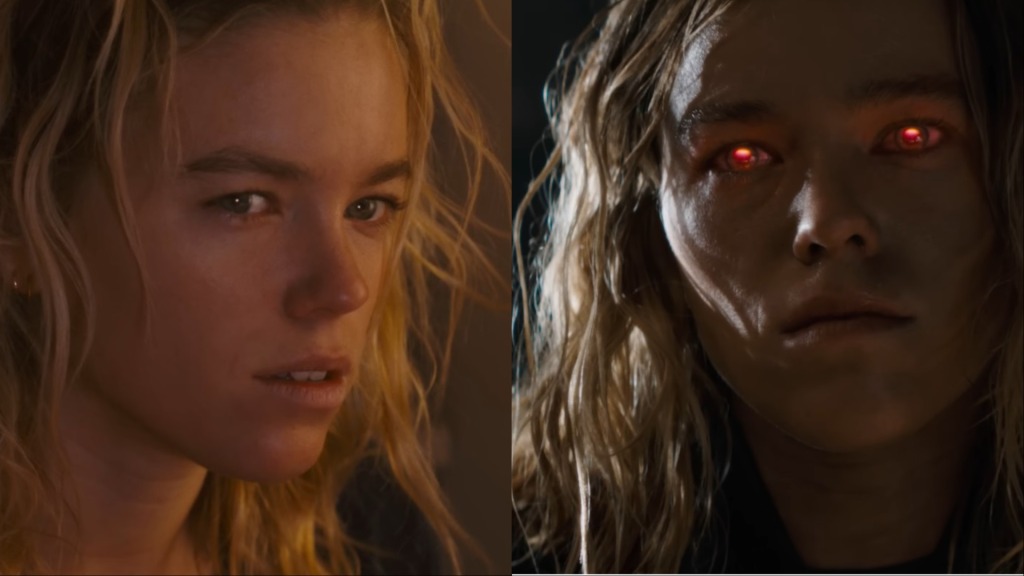
THR notes that Supergirl‘s problems probably won’t wreck Gunn and Safran’s stewardship of DC; their next two films on the docket are the horror flick Clayface, which is cheap enough that it probably can’t wreck the bottom line either way, and then Gunn’s own Superman sequel Man Of Tomorrow. (Milly Alcock will reprise her role as Kara for that one, blissfully Krem-free.) But it’s still a stumble, one that draws attention to the weird place Gunn currently occupies, as both a studio head and a filmmaker known for fighting hard to get his own way.


 Keep scrolling for more great stories.