
The problem with AI-upscaled monstrosities isn't the AI
It's not just you, older shows and movies don't look the same on streaming.
Clockwise from left: A Different World; The Lucy-Desi Comedy Hour; Roseanne (Screenshots: YouTube/TikTok)
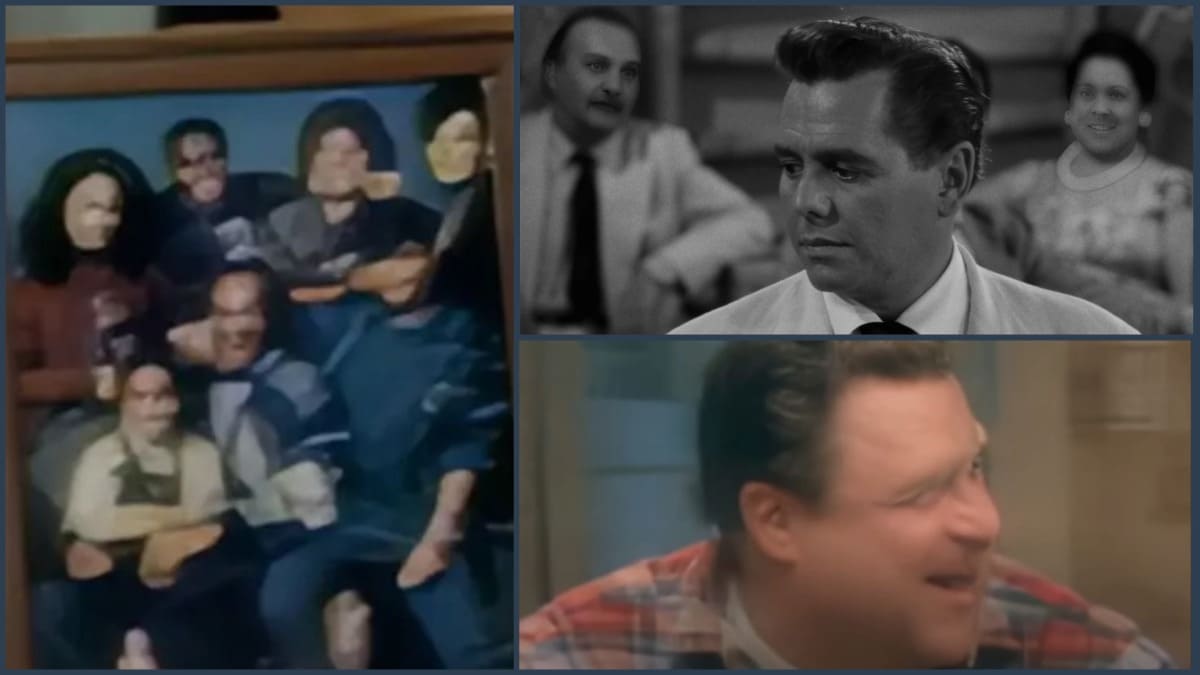
The problem with using the term “artificial intelligence” to cover everything from large language models to your TikTok algo to whatever OpenAI and Anthropic are panicked about in order to raise funding is there’s actually lots of cool tools that are technically AI too. Those tools don’t require water-guzzling data centers and the world’s supply of RAM. They will not autonomously hack government agencies. They just use machine learning to do things like discover new drugs, improve medical imaging, and more importantly, upscale old shows to make them crisp and beautiful for modern TVs.
For nearly a decade a beautiful and wonderful group of individuals have been painstakingly upscaling Star Trek: Deep Space Nine as it’s too expensive for Skydance (as the new Paramount-Warner Bros. entity is called) to do it the right way. These fans use AI tools to carefully create a higher resolution version of the show from old LaserDisc and DVD scans. They are meticulous in their work—they have to be in the same way any other craftsman must. You use the wrong setting on your drill and you’ll put the screw straight through the board. Use the wrong settings on an AI-powered upscaling tool like Topaz and you can get waxy-looking people, bizarre digital artifacts, and a general sense that creating something akin to the original theatrical release of Cats.
Unfortunately a lot of Hollywood is distracted by the shine of the term AI and seem to forget that AI upscaling is a tool that can be misused just like any other. Take James Cameron as an example. He is one of the most technologically literate directors alive. Naturally he embraced AI tools for upscaling his older films, but the results have been inconsistent, sometimes downright rough. His 1989 flick The Abyss was subject to such aggressive AI de-noising that it gave the grainy Cold War scifi classic a more modern digital feel. Cameron claims he personally worked on that project, which would mean he actually chose to make everyone look as plastic as Mary Elizabeth Mastrantonio in the CPR scene. Maybe he exaggerated his role on the 4K upscaling project, or maybe he got George Lucas’d—so wrapped up in his own myth and an exciting new technology that he forgot what “good” actually looks like.
Lucas and his excessive tinkering with the original Star Wars trilogy had nothing to do with AI, but remains the all-time best example of how shiny new tools get misused due to enthusiasm. I could argue Danny Boyle has been another victim of shiny tech. 28 Days Later was shot on 480p miniDV instead of film. Using such small cameras allowed him to pull off incredible shots like a totally empty London, but the cameras gathered and retained way less information than film. You can’t make out every detail in every scene because that information couldn’t be captured with a dinky miniDV camera. As studios and distributors upgrade their film libraries for 1080p and then 2160p Blu-Ray, 28 Days Later has languished. It can never look as good as a film shot on film or modern digital and that’s directly due to Danny Boyle’s decision to use tiny cameras.
 Keep scrolling for more great stories.