In what’s now become a yearly tradition every December, I’m back ranking #1 hits from topical anniversary dates. This winter we’ll be doing 1975, 1985, 1995, 2005, and 2015, and I’ll be ranking every chart-topper from worst to best in each respective year. I did this last year and the year before that, and I’m thrilled to be back ranking the good, the bad, and the ugly that took over Billboard’s esteemed (now trivial?) Hot 100. Last week, we tackled 1975.
Today we’re looking at 1985, which featured 27 entries across 52 weeks. That’s seven more than we got in 1984! I think there are approximately 18 good to great songs here. The top 10 is a no-skips mix. But the songs that show up near the bottom of this list… I dislike so many of them so, so much. If I never hear the Miami Vice theme song again it’ll be too soon. But, hey! It’s the ‘80s! Welcome to the age of synth-pop, MTV, Bob Dylan doing that weird stare during the “We Are the World” recording, and way too much Phil Collins. Crack open a New Coke and get to scrolling. Here is every #1 hit song from 1985, ranked worst to best.
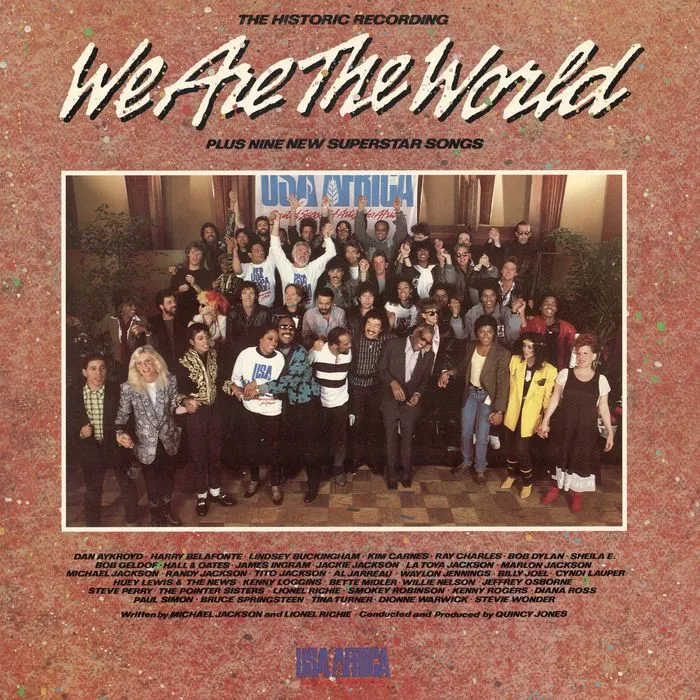
27. USA for Africa: “We Are the World”
Thank Christ the whole “let’s get 20 musicians to sing together on this charity single” thing has been long out of vogue. “We Are the World” is actually a worse song than “Do They Know It’s Christmas?,” even though they’re both pretty bad. I can’t believe people willingly sat through six minutes (seven minutes if you’re hearing the album version) of the world’s biggest pop stars trying to figure out how to sing together in real time. I love Bruce Springsteen, Stevie Wonder, Bob Dylan, Billy Joel, Paul Simon, Ray Charles, Cyndi Lauper, Diana Ross, and Huey Lewis as much as the next person, but I don’t want to hear them on a song together, you know? But the stats don’t lie, I guess. “We Are the World,” in an effort to raise money for the famine in Ethiopia, became the fastest-selling pop single in US history and became the first single to ever achieve multi-platinum status. The great Greil Marcus said it best: “We Are the World” sounds like a Pepsi jingle, and the song “says less about Ethiopia than it does about Pepsi.”
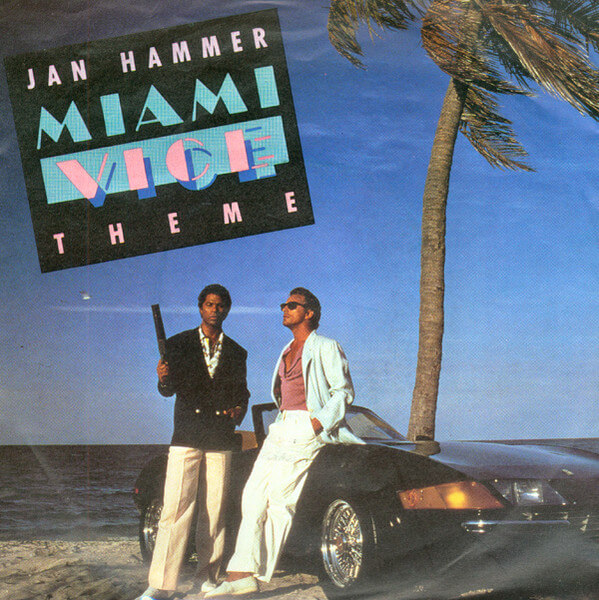
26. Jan Hammer: “Miami Vice Theme”
If you’ve been following along with these lists for literally any amount of time, you probably already know that I do not think very highly of instrumental songs in a chart-topping sense. Otherwise, I tend to like them a lot! But the one thing that’s worse than an instrumental song? An instrumental TV show theme song. All offense to the “Miami Vice Theme” here. Though I am not a big fan of the #2 song in the country from that week (“Part-Time Lover”), it would have been the more sensible choice. But in a perfect world, Tears for Fears’ “Head Over Heels” is the #1 song in America on November 9, 1985. Only in my dreams, I suppose.
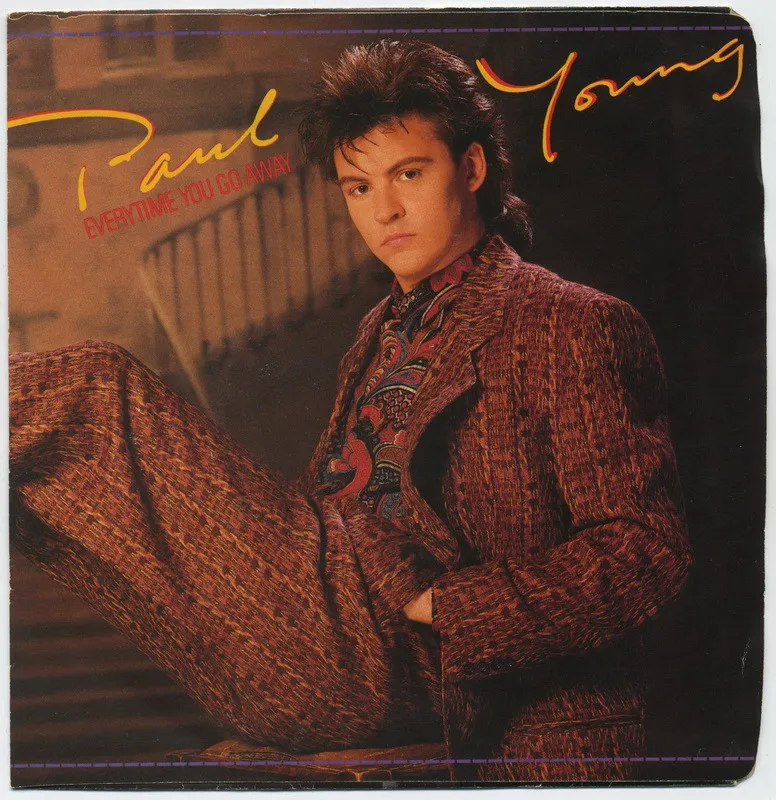
25. Paul Young: “Everytime You Go Away”
I’ve done over a dozen of these lists and this is just the second time I’ve been unable to finish a song (the first was Ray Stevens’ “The Streak”). Truly, Paul Young took a boring song and made it even more boring. The consolation prize? Hall & Oates’ version of “Everytime You Go Away” isn’t much better than Young’s. The latter is just this incredibly tepid pop song that goes nowhere. Sure, it’s a little bit sensual and a little bit soulful, but it’s not impressive. I’m still trying to figure out whose idea it was to add an electric sitar to the mix. The instrument does lend a dose of sophistication to the tune, but Young’s tattered, lackluster singing and Ian Kewley’s limp synthesizers don’t quite rise up to meet the sitar’s splendor.
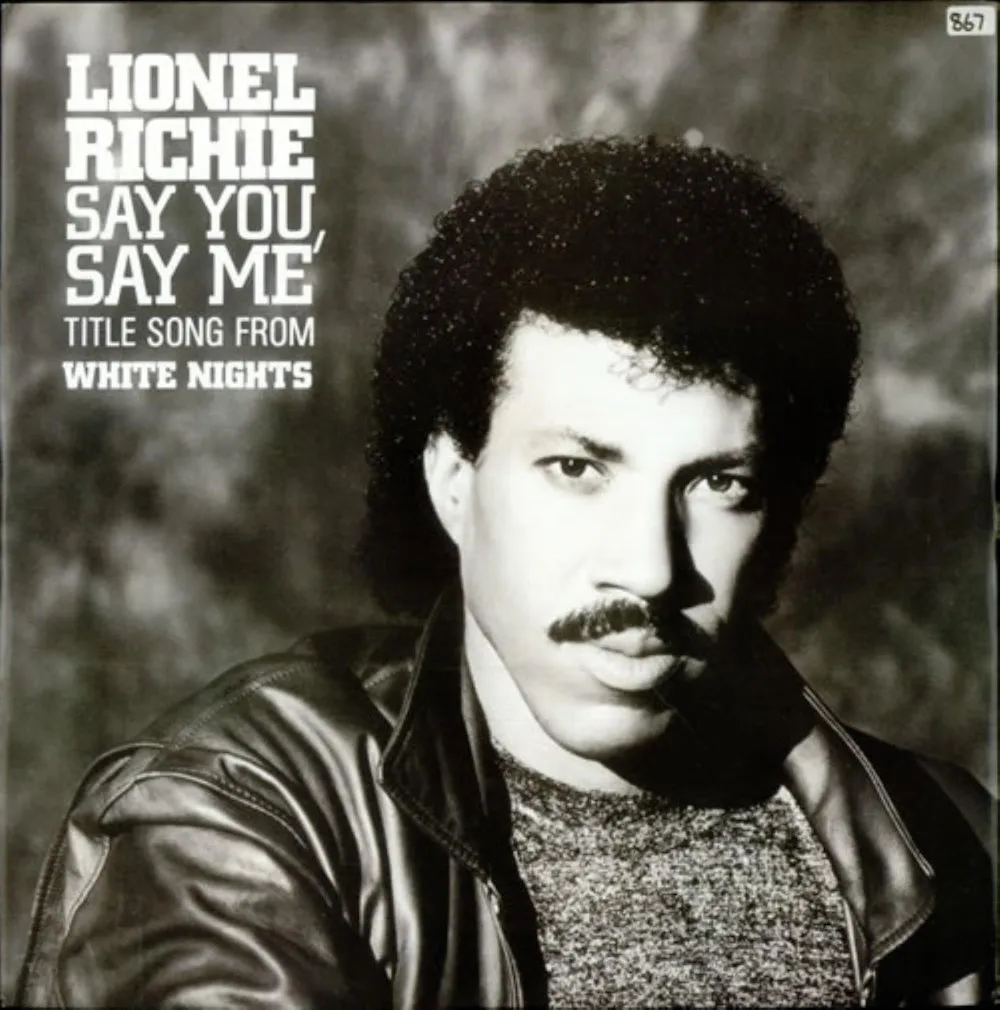
24. Lionel Richie: “Say You, Say Me”
When I think of “Adult Contemporary,” no artist comes to mind quicker than Lionel Richie. For as much as I love the Commodores, I don’t like a single one of Richie’s solo songs. Maybe his style is just too gooey for my taste. I grew up with my ears glued to the local ‘80s station, so I’m well-acquainted with Richie. I don’t know if it’s overexposure that has burdened me with such a distaste for his ballads or something else. By 1985, he was riding the high of his breakout record Can’t Slow Down and got a gig penning an original tune for the White Nights film: “Say You, Say Me.” There are 11 credited musicians on the single, yet it lacks the dynamism I’d expect from such a padded personnel list. Even the mid-song key-change, which I find to be relatively exciting and inspired, can’t save the rest of the tune from being… plain? Toto guitarist Steve Lukather’s playing is pretty slick, though. It doesn’t clash with James Anthony Carmichael’s string arrangement. Musically speaking, this is one of Richie’s better efforts. He even got rewarded for it with an Oscar for Best Original Song.
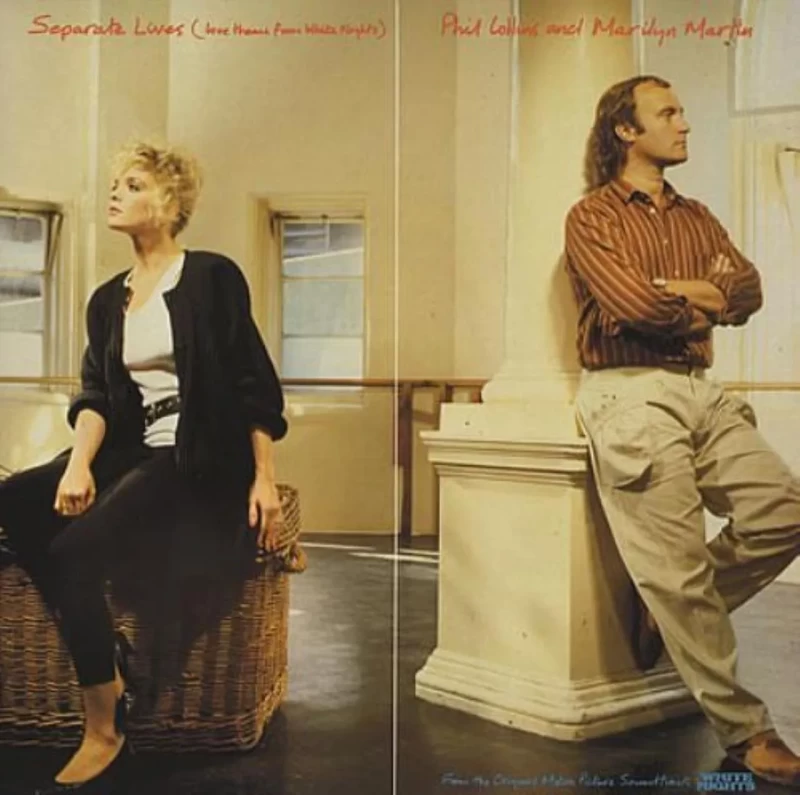
23. Phil Collins & Marilyn Martin: “Separate Lives”
This isn’t the only song from the White Nights soundtrack on this list, but it’s certainly the worst. I just find myself unmoved by Phil Collins’ ballads. They’re too melodramatic and not at all compelling. He has a much better song in this ranking, one that I love, but “Separate Lives” is just a miss for me. Marilyn Martin’s singing is powerful enough, though she’s lacking real starpower. I think I struggle to connect with “Separate Lives” because it does virtually nothing to stand out from the other big-hearted ballads of the era, let alone 1985. That this song came out the same year as No Jacket Required is fascinating to me because none of Collins’ energy from that (pretty good) album can be felt here. Not one bit. Look, I’m not saying he phoned it in on “Separate Lives” but, hey, a paycheck’s a paycheck, brother.
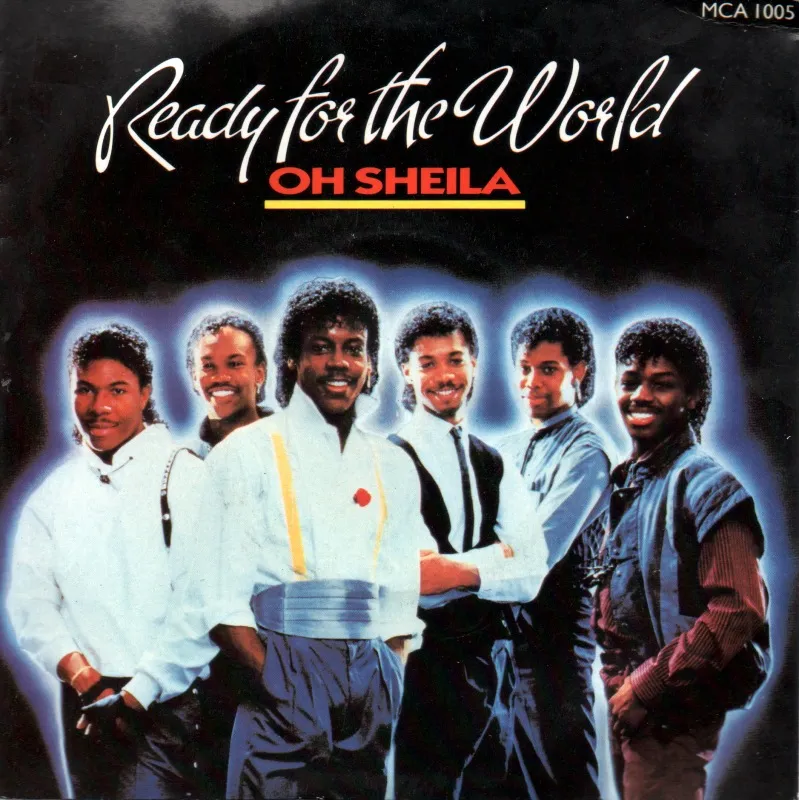
22. Ready for the World: “Oh Sheila”
“Oh Sheila” is fun! It’s catchy boy-band pizazz—Ready For the World were a nifty counterpoint to the equally fun New Edition, and their combined efforts set the stage for the likes of Boyz II Men and Jodeci to shine a decade later—but the song’s juice comes from the misconceptions around it. A lot of people think Prince sings this song, because of Melvin Riley Jr.’s vocals, the band’s use of a detuned drum machine rimshot, and the perceived lyrical reference to the Purple One’s collaborator Shiela E. It’s a decent but standard dance track vaulted by mildly-interesting lore. I wish the synthesizers sounded cooler, because the band’s reliance on drum machines washes out a lot of the song’s charm.
21. Foreigner: “I Want to Know What Love Is”
My favorite ‘80s trend is ‘70s rock bands selling out to corporatized pop radio… usually. Foreigner is a band with a back-catalogue I enjoy—“Hot Blooded,” “Dirty White Boy,” and “Urgent” all rule—but by the time they got around to making Agent Provocateur in 1984, they’d lost the sauce entirely. This is department store garbage, the kind of music that soundtracks romantic embarrassments, not triumphs. I’m actually offended that Lou Gramm put his voice at the front of this thing. The best part of the song doesn’t even feature him. “I Want to Know What Love Is” shines most when it’s about to end, as the band kicks up the dust with a full-blown choir singing behind them. Jennifer Holliday uses the final ten seconds to deliver an incredibly powerful backing vocal. I love my fair share of power ballads, don’t get me wrong, but “I Want to Know What Love Is” is not one of them.
20. Mr. Mister: “Broken Wings”
For two weeks, America loved “Broken Wings” by Mr. Mister. God bless ‘em. I prefer “Kyrie,” to be honest, but that’s a conversation for next year’s 1986 ranking. I am all for the idea of a #1 hit being full of sustain. I just wish it happened in a more interesting song. “Mr. Mister” is poppy new wave ruined by its lack of direction. Bombast shouldn’t be a requisite for a hit ‘80s song. But it’s hard to look at most of 1985’s heavy hitters and agree that “Broken Wings” goes toe to toe with any of them. Richard Page’s vocal is full of starpower but distracted by the song’s moody, ominous backdrop. And the “Blackbird” reference, whether it was intentional or not (Page swears it wasn’t), is a bit cliché even for a power ballad, no?
19. Phil Collins: “One More Night”
I promise these lists aren’t just an excuse for me to rag on Phil Collins. I mean no disrespect to the guy! His ‘80s songs are just generally uninteresting. Well, to me, at least. And this is my ranking! “One More Night” is better than “Separate Lives,” I will concede. Collins almost reaches a soulfulness that would push this song into “great” territory, but he never lets himself, his band, or the material fully go there. Sometimes being too gentle works. But I fear that Collins’ tenderness is his own worst enemy this time. I think “One More Night” is the worst song on No Jacket Required. Too whiny. I wish Don Myrick’s sax solo did heavier lifting, because Collins’ TR-808 and DX7 combo is gentle to the point of evaporation.
18. Starship: “We Built This City”
When “We Built This City” came out in August 1985, it was praised—as much as a dance-rock song during mainstream music’s deluge of dance-rock songs could possibly get from the music rags, when #1 hits still carried a shred of importance. Billboard called it an “unusual rock ‘n’ roll anthem […] as wise as it is rebellious.” The Grammys liked it well enough too, nominating it for Best Rock Vocal Performance by a Duo or Group in 1986, an award given to Dire Straits for “Money for Nothing” instead. Trophy or no trophy, I’m a sucker for any song that sounds like the musical equivalent of a blazer jacket with its sleeves rolled up. But the 40 following years tell a different story: the now-defunct Blender magazine kicked off the dissent in 2004 when it named “We Built This City” the worst song ever, writing: “It purports to be anti-commercial but reeks of ‘80s corporate-rock commercialism. It’s a real reflection of what practically killed rock music in the ‘80s.” Grace Slick spent the twilight of her career preserving her legacy with a mea culpa, disavowing the single completely after supposedly wanting to “tour, make a lot of money, and then retire” upon Starship recording Knee Deep in the Hoopla. Rolling Stone polled its online readers in 2011 and not only named the song the worst of the ‘80s, but revealed that it was “the biggest blow-out victory in the history of the Rolling Stone Readers Poll.” Really, thousands of people agreed on this song being the worst? “We Built This City” has been streamed over 682 million times on Spotify. That’s a whole lot of hate-listens. Blaming rock and roll’s greater absence on the pop charts from the 1990s until now on “We Built This City”? Every cultural crime needs a scapegoat, I suppose.
17. Simple Minds: “Don’t You (Forget About Me)”
I’m not sure how to square “Don’t You (Forget About Me).” It’s an all-time great song, no doubt, but its success is largely because of The Breakfast Club’s legacy. I mean, that’s one of the most important teen movies ever made, right? Certainly its “theme song” was always going to get a nice chart rub. Movie soundtrack songs going #1 was the 1980s equivalent of American Idol winners scoring a hit right after their season’s finale. Sometimes the industry is just wired to stay on trend. But “Don’t You (Forget About Me)” stands the test of time, and I think a lot of that boils down to Simple Minds being a great band. “All the Things She Said” is a classic. The band had self-proclaimed “delusions of being ultra-hip” and initially declined to participate in the recording. A private screening of the film couldn’t convince them to pitch in, either, so the writers offered it to Bryan Ferry. He also declined. Eventually, it was Simple Minds vocalist Jim Kerr’s wife, the Pretenders’ Chrissie Hynde, who convinced him to do it, because she liked the song a lot. But can you imagine if Ferry had said yes?
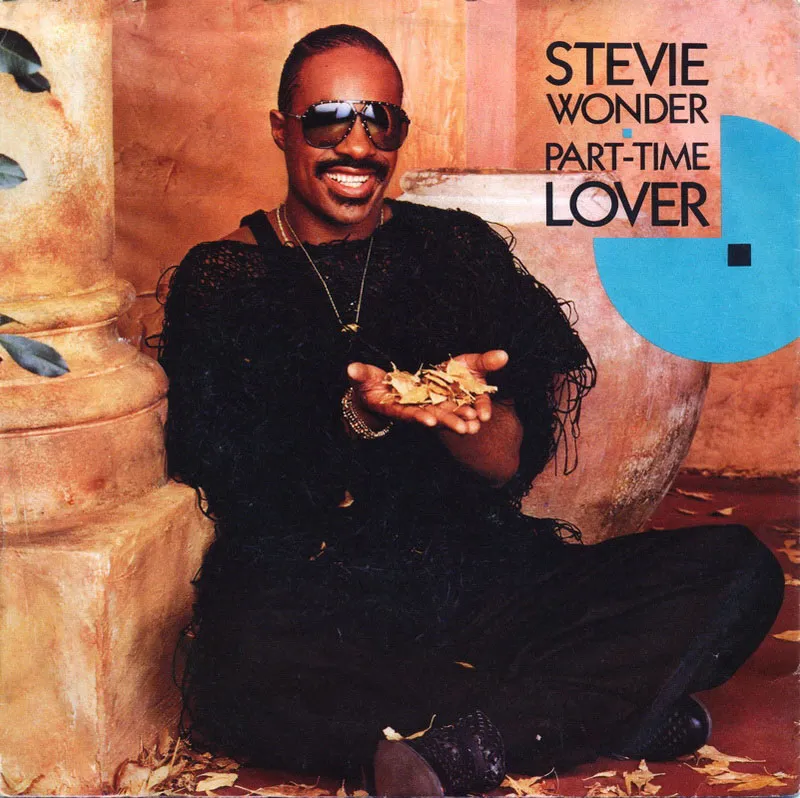
16. Stevie Wonder: “Part-Time Lover”
I dig Stevie Wonder’s tribute to the Supremes’ “You Can’t Hurry Love” and “My World Is Empty Without You,” but “Part-Time Lover” isn’t quite as good as either of those songs, sadly. But, in the context of Wonder’s ‘80s catalogue, it’s one of his best efforts. By the time In Square Circle came out, Wonder wasn’t exactly on the same heater he was in the 1970s, but his commerciality never faltered. “Part-Time Lover” made him the first artist to ever have a #1 hit on four different Billboard charts, which is a pretty neat accolade for the most important musician of the last 50 years. What’s even cooler is Luther Vandross, Syreeta Wright, and Philip Bailey sing backup on this single, a collaboration I like a bit more than Wonder’s team-up with Sir Paul McCartney a few years prior.
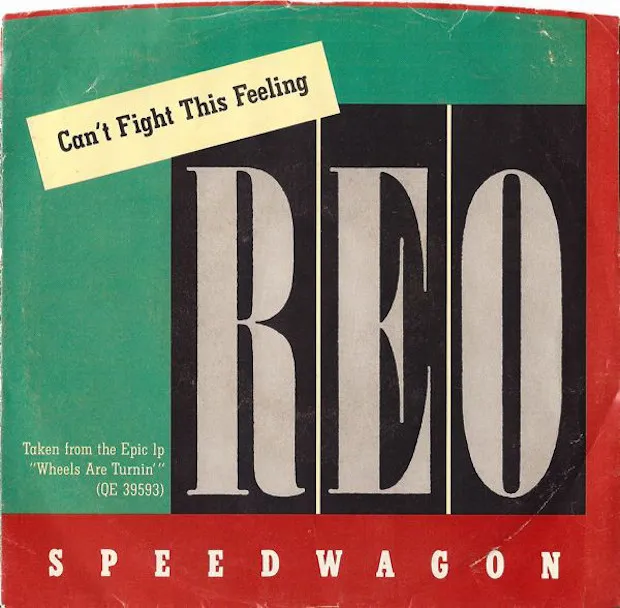
15. REO Speedwagon: “Can’t Fight This Feeling”
One of my ex-girlfriends believed that being an REO Speedwagon fan was a sin as grave as cheating. I’m being hyperbolic in my retelling, of course, but she really hated that band. But I love REO Speedwagon, and I think “Take It On the Run” is one of the best pop-rock songs ever. I’m not as warm on “Can’t Fight This Feeling,” but that’s probably because it’s overplayed. Objectively speaking, it’s a great power ballad and Kevin Cronin’s singing sounds wonderful and exciting on it. Gary Richrath plays the guitar like a madman. The music cut through a then-potent trend of dance hits, pulling in an adult contemporary audience that might have otherwise rejected the styles of Madonna or Whitney. “Can’t Fight This Feeling” might teeter on the edge of formulaic, corporate rock and roll, but, sheesh, what an earworm.
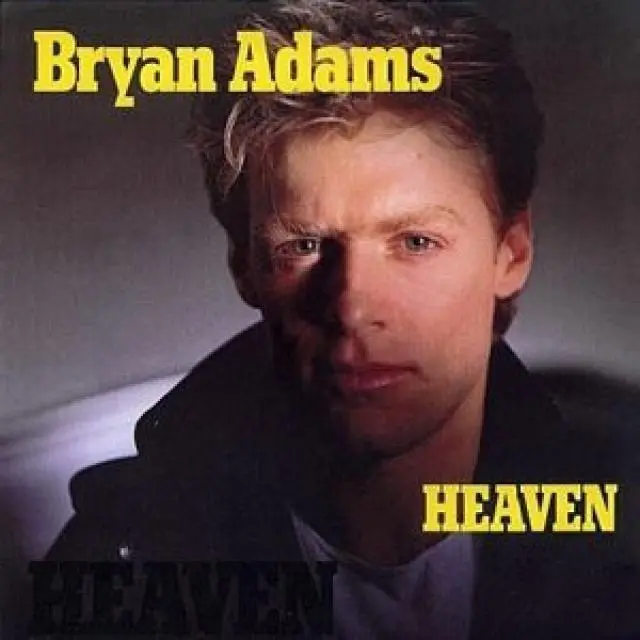
14. Bryan Adams: “Heaven”
Reckless sold 5 million copies, but it’s largely forgotten in most contemporary conversations around ‘80s pop music. But it spawned six singles, including “Run to You” and “Summer of ‘69.” That alone could have cemented Bryan Adams as a saintly arena rock figure. “Heaven,” on the other hand, is one of the most enjoyable power ballads of all time. All cheesy, long-haired bravado falls to the wayside under Adams’ direction. For once, the melodramatic bombast is justified and executed terrifically. As far as 1985 goes, Adams’ vocal performance on “Heaven” is among that year’s very best. And I have to shout out Keith Scott’s guitar solo. What a colossal, affecting phrase he unleashed. It makes those “younger years” Adams is singing about sound all the more epic.
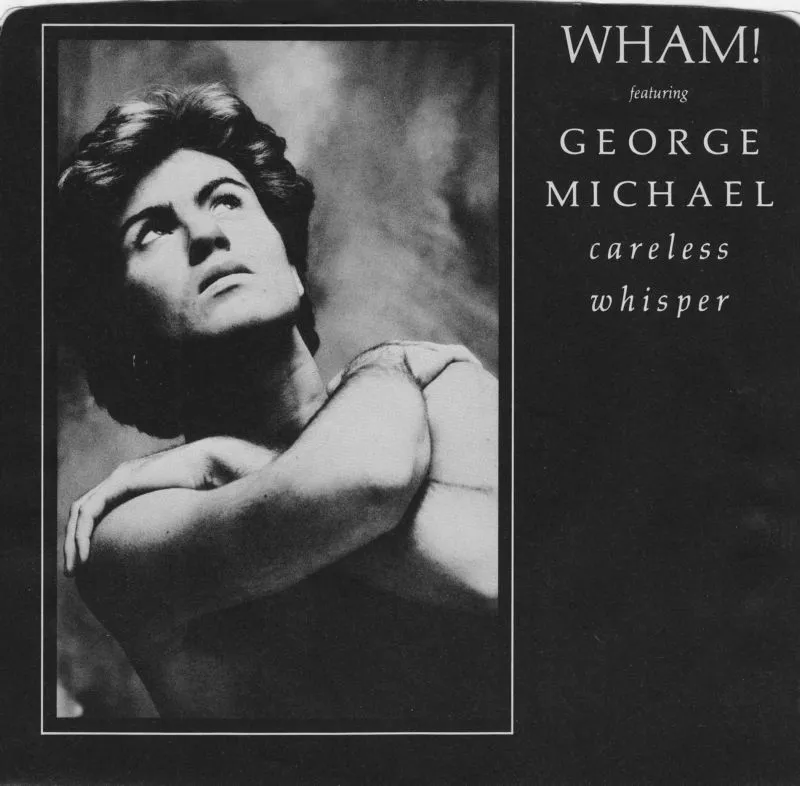
13. Wham! ft. George Michael: “Careless Whisper”
Has a saxophone ever done such heavy lifting in a pop song? I love Wham! and I love George Michael, but I’ve never quite bought into “Careless Whisper” being such a herculean entry in the pop pantheon. But it’s certainly great, even if the saxophone part, performed by Steve Gregory, is more famous than the song itself. And the single is technically a George Michael solo song that also shows up at the end of Make It Big—a choice made to help Michael “transition” into his solo career, even though Wham! still had one studio album left in the tank and were more than a year away from breaking up. But, hey: Wham!, George Michael, it didn’t matter—“Careless Whisper” sold 11 million copies, cementing itself as one of the most commercially-successful singles in music history. It’s one of those songs that comes on and reminds you exactly why Michael was a pop titan. Has the sax solo been memed into oblivion? It sure has. Is it just as soulful and sensual as it was 40 years ago? You bet your ass.
12. Huey Lewis and the News: “The Power of Love”
I pride myself on being a longtime Huey Lewis and the News fan—like, I used to buy their songs on iTunes with gift cards instead of flashy gaming apps. I was a Back to the Future superfan too, so the pairing worked out. “The Power of Love” isn’t the only song Lewis and his band made for the film’s soundtrack, but it clears “Back in Time” in every possible way. A movie song appearing on the Hot 100 doesn’t mean it’s good, but “The Power of Love” is an exception. It bridges the gap between the News’ two best albums (Sports and Fore!) with splendid production, good pop-rock fusion, and Lewis’ catchy rasp. And how could I forget the presence of Chris Hayes? His guitar solo in the song’s third act is one that I’ve never gotten over, and it keeps the music from falling totally into synth-pop territory. In a just world, “The Power of Love” and its successes tower over Back to the Future’s.
11. Madonna: “Crazy for You”
“Crazy for You” was released in-between Like a Virgin singles “Material Girl” and “Angel,” but it’s not on Like a Virgin. Instead, it was featured in the Vision Quest soundtrack and written by John Bettis and Jon Lind. If I’m being real with you, reader… I think I like this song more than most of Like a Virgin. Madonna’s vocal performance, though not astonishing or generational, checks every box it needs to. This was her mature commercial breakthrough. “Crazy for You” wasn’t immediately likable in the same way “Like a Virgin” or “Borderline” or “Holiday” were before it, but it was marketable and sophisticated. Are those qualities that make total sense for a Madonna single? Certainly not. But “Crazy for You” was beloved. The Grammys nominated her for Best Female Pop Vocal Performance and the song has cropped up on a few concert setlists over the years. It’s sentimental in all the best ways. If you catch me at the right hour, I might argue that “Crazy for You” is Madonna’s greatest ballad. Might.
10. Duran Duran: “A View to a Kill”
A proper example of a “good” movie song, Duran Duran’s “A View to a Kill” is probably the best part of the 14th James Bond flick (I’m just guessing, because I haven’t seen the movie in over ten years). But it’s hard to argue against that “dance into the fire, that fatal kiss is all we need” chorus, which hauls major ass. It might be the best one in Duran Duran’s catalogue, full stop. Sure, “Rio” and “Hungry Like the Wolf” have much more juice, commercially and critically, but “A View to a Kill” is a riot—my favorite non-“Girls on Film” Duran Duran tune! Sophisticated production, a big melody, and a hook that’s worth the wait, “A View to a Kill” is a song that validates Duran Duran’s legacy and influence.
9. Wham!: “Everything She Wants”
Though it’s overshadowed by “Wake Me Up Before You Go-Go” and “Careless Whisper,” I really do think “Everything She Wants” is the best single from Make It Big. It’s not as catchy as the former or as sensual as the latter, but it flourishes somewhere in-between those poles. It’s good R&B music, full of soul and groove worth dancing to. It’s basically the George Michael show, as his singing, Roland synthesizer, and LinnDrum take up all the space (Andrew Ridgeley adds backing vocals, but they’re minor in comparison). That’s no problem at all, because George Michael is positively magnetic from beginning to end. This is Wham! at the peak of its powers, when Michael had one foot out the door. “Everything She Wants” is colossal, perfect.
8. Phil Collins: “Sussudio”
Now this is a great Phil Collins song. He should have injected this kind of funk into all of his songs. Maybe I like it so much because it very clearly rips Prince off a bit. I quote the great Tom Breihan, who wrote that “if something like that happened today, Collins would’ve at least had to give Prince a songwriting credit.” He’s right. A lot of “Sussudio” is a copy of “1999,” but an earworm’s an earworm, man. It’s catchy and the lyrics make no sense. I can get down with that, because there’s no ego or melodrama in this song. It’s just fun dance music. That Phenix Horns section is stellar, complimenting Collins and David Frank’s animated, infectious synthesizers well. And those guitar phrases from Daryl Stuermer? Pure class. When “Sussudio” came out, it was Collins’ best effort by far. Shoutout to Malcolm in the Middle. IYKYK.
7. John Parr: “St. Elmo’s Fire (Man in Motion)”
Few films are as quintessentially 1980s as St. Elmo’s Fire, and few songs are as quintessentially 1980s as John Parr’s theme song for it. “St. Elmo’s Fire (Man in Motion)” has the great power of being miles better than its source material, as Parr crafted a real bonafide pop-rock masterpiece that held the #1 spot on the Hot 100 for two weeks in 1985. Not only are the “I can see a new horizon underneath the blazin’ sky / I’ll be where the eagle’s flying higher and higher” lines total ear candy, but members of Toto, REO Speedwagon, and Mr. Mister perform on the track. Talk about an all-star affair from top to bottom.
6. a-ha: “Take On Me”
I’m not a label executive, but I’d love to know why Warner Bros. didn’t pick “Take On Me” to be the Hunting High and Low lead single. No one is going to convince me that “Love Is Reason” was the better song, because “Take On Me” has lived on as one of the greatest hit singles of the ‘80s. From the jump, a-ha seemed to have the formula figured out, even if they never made a record as good as Hunting High and Low. Led by the lead vocals of bandleader Morten Harket, the band gets larger than life when Magne Furuholmen and Pål Waaktaar fill out the sound during “Take On Me.” It was such a smash hit that it earned a-ha a Best New Artist nomination at the Grammys, making them the first-ever Norwegian band to be featured in the ceremony. They didn’t win, but “Take On Me” (and its rotoscope-style, animated music video) bought the band enough goodwill and radio airplay to last a lifetime and then some.
5. Madonna: “Like a Virgin”
“Like a Virgin” and its “feels so good inside” proverb is maybe tame in retrospect, but we can never abandon the truth: It very well might be one of the most consequential and informative songs in the history of our ever-changing standard. Womanhood in America changed the moment Madonna dropped the track on Halloween 1984, just a month after she sang it at the VMAs—where she emerged from a 17-foot tall wedding cake wearing a belt buckle with “BOY TOY” plastered across the buckle and, after stepping out of one of her high-heels and diving onto the floor to cover up the malfunction, she flashed her underwear at the cameras and flipped the wide-eyed world into a landmine of uncharted desire. Culture shifts at award shows are few and far between nowadays, but “Like a Virgin” was a historical burst of access. Gender became more complex and fluid, sexuality found a nuanced identity—all of this, of course, had been present in the underground for decades, but Madonna was able to hide the pill in applesauce and put it down the throats of detractors and censors.
4. Dire Straits: “Money for Nothing”
“Money for Nothing” spawned out of a case of eavesdropping, when Mark Knopfler heard appliance store employees talking about music videos. He quickly let the same vulgar color spill out of his pen, claiming that he wanted to use “a lot of the language that the real guy actually used.” Gay slurs, color TVs, and all, “Money for Nothing” became a blockbuster song. That avalanche riff from Knopfler, which he achieved by running a Les Paul through a wah-wah pedal, sounds over-processed and alien, unlike anything he’d done on-record prior. And, compared to Knopfler’s fretboard-scaling in “Sultans of Swing,” “Money for Nothing” is one of the most recognizable “star-making” singles I’ve ever listened to. At the very least, it proved Knopfler to be an unpredictable player—someone unafraid of taking a big swing after the magic of “Sultans of Swing” was rich enough to buy him appearances on Bob Dylan’s Slow Train Coming and Steely Dan’s “Time Out of Mind” by the end of the 1970s. And, if “Sultans of Swing” told us that Mark Knopfler could play the guitar, then “Money for Nothing” illustrated just how much he could twist the instrument without his experiments getting too obtuse.
3. Whitney Houston: “Saving All My Love for You”
Whitney Houston’s first #1 hit is fantastic and full of “other woman” drama. It’s slow, seductive, and sensational. The romance gets cranked to an 11, and Whitney’s superstardom gets elevated even higher. Of course that’s Tom Scott laying down one of the best saxophone solos of all time. This is timeless, sentimental stuff sung by one of the greatest vocalists of any lifetime. The single kick-started a run of seven #1s in a row for Whitney, and she sang “Saving All My Love for You” on every tour she went on. It’s a cover song, technically, but I think we can all agree that Whitney made it her own. Her debut album is full of gems, like “How Will I Know” and “Greatest Love of All,” but “Saving All My Love for You” is a romance worth falling for each and every time.
2. Tears for Fears: “Shout”
I have so much loyalty to “Everybody Wants to Rule the World” that, over the years, it’s warped my judgement of “Shout.” But I’ve come around to the Songs From the Big Chair single. I think it’s one of the greatest recordings of all time. When I chatted with Tears for Fears earlier this year, I loved how Roland Orzabal described the making of “Shout,” that they were singing it like “John Lennon and the Plastic Ono Band sang ‘Give Peace a Chance,” because it just seemed so incorrect. Tears for Fears fused stadium-sized choruses and with tender, trauma-bonded lyricism and the overwhelming glitz of synthesizers, and they approached the topics of war, faith, love, and power with more elegance than the ex-Beatle’s hunky-dory, rag-tag singalong had more than a decade prior. And yet, the two artists shared a familiar thread, in that they made songs I—and you—knew by name the second I heard them. They spoke the titles into our hearts, found a pocket, and made it profound. They lived to tell the tale.
1. Tears for Fears: “Everybody Wants to Rule the World”
“Everybody Wants to Rule the World,” written by a couple of 24-year-olds, is culturally ubiquitous. The track soared to #1 on eight different charts, including the Hot 100, selling more than 2 million units and going platinum 16 times across Australia, Brazil, Denmark, Italy, New Zealand, and Tears for Fears’ native United Kingdom. MTV played its music video constantly throughout 1985, and the song went on to win a Brit Award before becoming the theme music for Dennis Miller Live. There’s a rock fable about the Clash’s Joe Strummer not only accusing Tears for Fears of lifting the song’s title from a line in “Charlie Don’t Surf,” but about Roland Orzabal pulling a £5 note out of his wallet and giving it to Strummer on account of his and Curt Smith’s “plagiarism.” It’s a menagerie of DX7 and T-8 synths, a PPG Wave synth-bass, and LinnDrums. Due to the constant fear of nuclear fallout, the song was once titled “Everybody Wants to Go to War,” but the band eventually found that to be “a bit hackneyed.” So they called it “Everybody Wants to Rule the World” and watched it become an ‘80s paean. They were singing to their audience, critiquing Mercury A&R man Dave Bates, and using the “so sad they had to fade it” line to lament their label’s desire to cut down the 8-minute runtime of “Shout.” Little did Smith and Orzabal know “Everybody Wants to Rule the World” would be so relevant 40 years later. In the comment section under the band’s “Head Over Heels” music video, one user wrote: “Tears for Fears made lasting music in a time of throwaway pop.”


 Thank Christ the whole “let’s get 20 musicians to sing together on this charity single” thing has been long out of vogue. “We Are the World” is actually a worse song than “Do They Know It’s Christmas?,” even though they’re both pretty bad. I can’t believe people willingly sat through six minutes (seven minutes if you’re hearing the album version) of the world’s biggest pop stars trying to figure out how to sing together in real time. I love Bruce Springsteen, Stevie Wonder, Bob Dylan, Billy Joel, Paul Simon, Ray Charles, Cyndi Lauper, Diana Ross, and Huey Lewis as much as the next person, but I don’t want to hear them on a song together, you know? But the stats don’t lie, I guess. “We Are the World,” in an effort to raise money for the famine in Ethiopia, became the fastest-selling pop single in US history and became the first single to ever achieve multi-platinum status. The great Greil Marcus said it best: “We Are the World” sounds like a Pepsi jingle, and the song “says less about Ethiopia than it does about Pepsi.”
  If you’ve been following along with these lists for literally any amount of time, you probably already know that I do not think very highly of instrumental songs in a chart-topping sense. Otherwise, I tend to like them a lot! But the one thing that’s worse than an instrumental song? An instrumental TV show theme song. All offense to the “Miami Vice Theme” here. Though I am not a big fan of the #2 song in the country from that week (“Part-Time Lover”), it would have been the more sensible choice. But in a perfect world, Tears for Fears’ “Head Over Heels” is the #1 song in America on November 9, 1985. Only in my dreams, I suppose.
  I’ve done over a dozen of these lists and this is just the second time I’ve been unable to finish a song (the first was Ray Stevens’ “The Streak”). Truly, Paul Young took a boring song and made it even more boring. The consolation prize? Hall & Oates’ version of “Everytime You Go Away” isn’t much better than Young’s. The latter is just this incredibly tepid pop song that goes nowhere. Sure, it’s a little bit sensual and a little bit soulful, but it’s not impressive. I’m still trying to figure out whose idea it was to add an electric sitar to the mix. The instrument does lend a dose of sophistication to the tune, but Young’s tattered, lackluster singing and Ian Kewley’s limp synthesizers don’t quite rise up to meet the sitar’s splendor.
  When I think of “Adult Contemporary,” no artist comes to mind quicker than Lionel Richie. For as much as I love the Commodores, I don’t like a single one of Richie’s solo songs. Maybe his style is just too gooey for my taste. I grew up with my ears glued to the local ‘80s station, so I’m well-acquainted with Richie. I don’t know if it’s overexposure that has burdened me with such a distaste for his ballads or something else. By 1985, he was riding the high of his breakout record Can’t Slow Down and got a gig penning an original tune for the White Nights film: “Say You, Say Me.” There are 11 credited musicians on the single, yet it lacks the dynamism I’d expect from such a padded personnel list. Even the mid-song key-change, which I find to be relatively exciting and inspired, can’t save the rest of the tune from being… plain? Toto guitarist Steve Lukather’s playing is pretty slick, though. It doesn’t clash with James Anthony Carmichael’s string arrangement. Musically speaking, this is one of Richie’s better efforts. He even got rewarded for it with an Oscar for Best Original Song.
  This isn’t the only song from the White Nights soundtrack on this list, but it’s certainly the worst. I just find myself unmoved by Phil Collins’ ballads. They’re too melodramatic and not at all compelling. He has a much better song in this ranking, one that I love, but “Separate Lives” is just a miss for me. Marilyn Martin’s singing is powerful enough, though she’s lacking real starpower. I think I struggle to connect with “Separate Lives” because it does virtually nothing to stand out from the other big-hearted ballads of the era, let alone 1985. That this song came out the same year as No Jacket Required is fascinating to me because none of Collins’ energy from that (pretty good) album can be felt here. Not one bit. Look, I’m not saying he phoned it in on “Separate Lives” but, hey, a paycheck’s a paycheck, brother.
  “Oh Sheila” is fun! It’s catchy boy-band pizazz—Ready For the World were a nifty counterpoint to the equally fun New Edition, and their combined efforts set the stage for the likes of Boyz II Men and Jodeci to shine a decade later—but the song’s juice comes from the misconceptions around it. A lot of people think Prince sings this song, because of Melvin Riley Jr.’s vocals, the band’s use of a detuned drum machine rimshot, and the perceived lyrical reference to the Purple One’s collaborator Shiela E. It’s a decent but standard dance track vaulted by mildly-interesting lore. I wish the synthesizers sounded cooler, because the band’s reliance on drum machines washes out a lot of the song’s charm.
  My favorite ‘80s trend is ‘70s rock bands selling out to corporatized pop radio… usually. Foreigner is a band with a back-catalogue I enjoy—“Hot Blooded,” “Dirty White Boy,” and “Urgent” all rule—but by the time they got around to making Agent Provocateur in 1984, they’d lost the sauce entirely. This is department store garbage, the kind of music that soundtracks romantic embarrassments, not triumphs. I’m actually offended that Lou Gramm put his voice at the front of this thing. The best part of the song doesn’t even feature him. “I Want to Know What Love Is” shines most when it’s about to end, as the band kicks up the dust with a full-blown choir singing behind them. Jennifer Holliday uses the final ten seconds to deliver an incredibly powerful backing vocal. I love my fair share of power ballads, don’t get me wrong, but “I Want to Know What Love Is” is not one of them.
 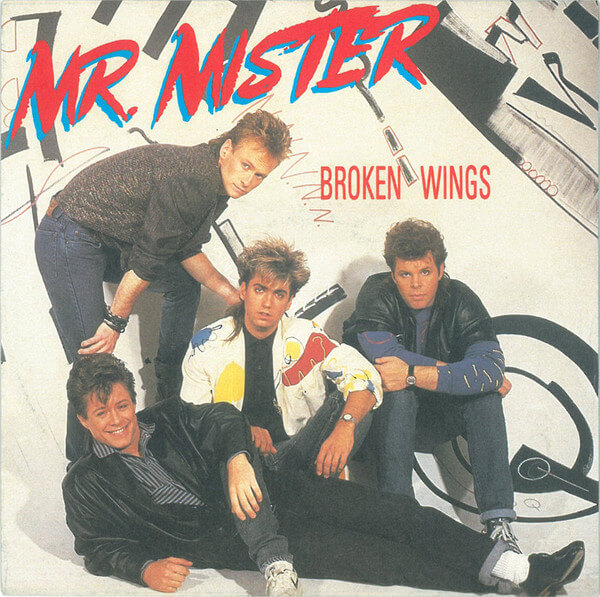 For two weeks, America loved “Broken Wings” by Mr. Mister. God bless ‘em. I prefer “Kyrie,” to be honest, but that’s a conversation for next year’s 1986 ranking. I am all for the idea of a #1 hit being full of sustain. I just wish it happened in a more interesting song. “Mr. Mister” is poppy new wave ruined by its lack of direction. Bombast shouldn’t be a requisite for a hit ‘80s song. But it’s hard to look at most of 1985’s heavy hitters and agree that “Broken Wings” goes toe to toe with any of them. Richard Page’s vocal is full of starpower but distracted by the song’s moody, ominous backdrop. And the “Blackbird” reference, whether it was intentional or not (Page swears it wasn’t), is a bit cliché even for a power ballad, no?
 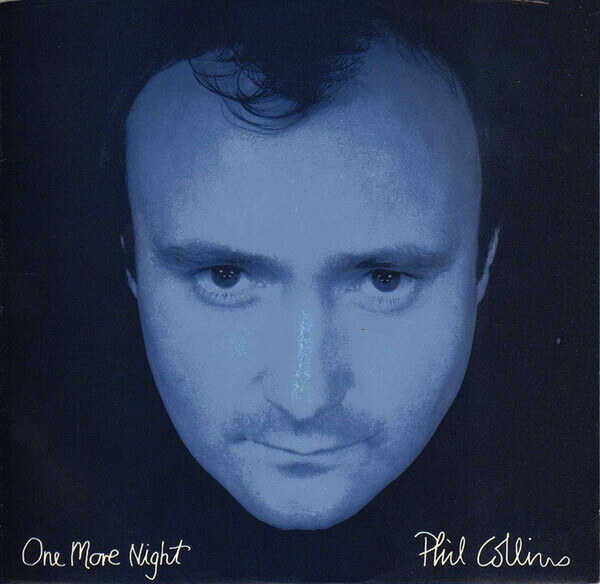 I promise these lists aren’t just an excuse for me to rag on Phil Collins. I mean no disrespect to the guy! His ‘80s songs are just generally uninteresting. Well, to me, at least. And this is my ranking! “One More Night” is better than “Separate Lives,” I will concede. Collins almost reaches a soulfulness that would push this song into “great” territory, but he never lets himself, his band, or the material fully go there. Sometimes being too gentle works. But I fear that Collins’ tenderness is his own worst enemy this time. I think “One More Night” is the worst song on No Jacket Required. Too whiny. I wish Don Myrick’s sax solo did heavier lifting, because Collins’ TR-808 and DX7 combo is gentle to the point of evaporation.
 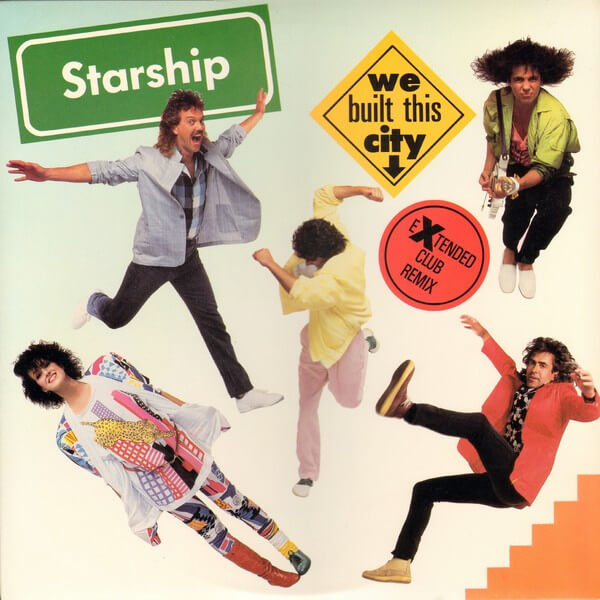 When “We Built This City” came out in August 1985, it was praised—as much as a dance-rock song during mainstream music’s deluge of dance-rock songs could possibly get from the music rags, when #1 hits still carried a shred of importance. Billboard called it an “unusual rock ‘n’ roll anthem […] as wise as it is rebellious.” The Grammys liked it well enough too, nominating it for Best Rock Vocal Performance by a Duo or Group in 1986, an award given to Dire Straits for “Money for Nothing” instead. Trophy or no trophy, I’m a sucker for any song that sounds like the musical equivalent of a blazer jacket with its sleeves rolled up. But the 40 following years tell a different story: the now-defunct Blender magazine kicked off the dissent in 2004 when it named “We Built This City” the worst song ever, writing: “It purports to be anti-commercial but reeks of ‘80s corporate-rock commercialism. It’s a real reflection of what practically killed rock music in the ‘80s.” Grace Slick spent the twilight of her career preserving her legacy with a mea culpa, disavowing the single completely after supposedly wanting to “tour, make a lot of money, and then retire” upon Starship recording Knee Deep in the Hoopla. Rolling Stone polled its online readers in 2011 and not only named the song the worst of the ‘80s, but revealed that it was “the biggest blow-out victory in the history of the Rolling Stone Readers Poll.” Really, thousands of people agreed on this song being the worst? “We Built This City” has been streamed over 682 million times on Spotify. That’s a whole lot of hate-listens. Blaming rock and roll’s greater absence on the pop charts from the 1990s until now on “We Built This City”? Every cultural crime needs a scapegoat, I suppose.
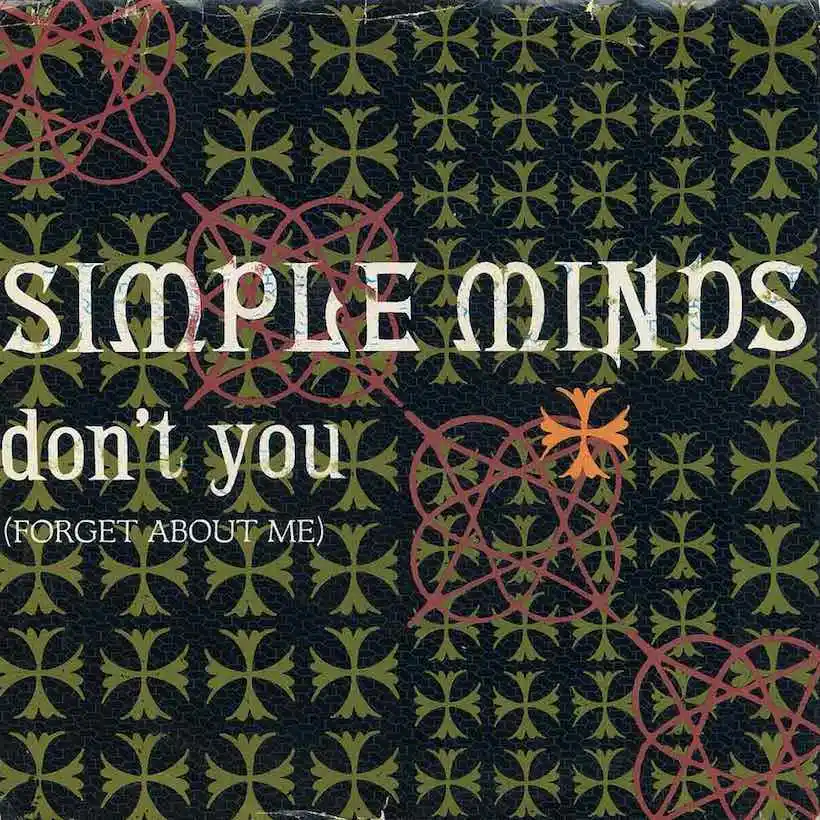 I’m not sure how to square “Don’t You (Forget About Me).” It’s an all-time great song, no doubt, but its success is largely because of The Breakfast Club’s legacy. I mean, that’s one of the most important teen movies ever made, right? Certainly its “theme song” was always going to get a nice chart rub. Movie soundtrack songs going #1 was the 1980s equivalent of American Idol winners scoring a hit right after their season’s finale. Sometimes the industry is just wired to stay on trend. But “Don’t You (Forget About Me)” stands the test of time, and I think a lot of that boils down to Simple Minds being a great band. “All the Things She Said” is a classic. The band had self-proclaimed “delusions of being ultra-hip” and initially declined to participate in the recording. A private screening of the film couldn’t convince them to pitch in, either, so the writers offered it to Bryan Ferry. He also declined. Eventually, it was Simple Minds vocalist Jim Kerr’s wife, the Pretenders’ Chrissie Hynde, who convinced him to do it, because she liked the song a lot. But can you imagine if Ferry had said yes?
 I dig Stevie Wonder’s tribute to the Supremes’ “You Can’t Hurry Love” and “My World Is Empty Without You,” but “Part-Time Lover” isn’t quite as good as either of those songs, sadly. But, in the context of Wonder’s ‘80s catalogue, it’s one of his best efforts. By the time In Square Circle came out, Wonder wasn’t exactly on the same heater he was in the 1970s, but his commerciality never faltered. “Part-Time Lover” made him the first artist to ever have a #1 hit on four different Billboard charts, which is a pretty neat accolade for the most important musician of the last 50 years. What’s even cooler is Luther Vandross, Syreeta Wright, and Philip Bailey sing backup on this single, a collaboration I like a bit more than Wonder’s team-up with Sir Paul McCartney a few years prior.
 One of my ex-girlfriends believed that being an REO Speedwagon fan was a sin as grave as cheating. I’m being hyperbolic in my retelling, of course, but she really hated that band. But I love REO Speedwagon, and I think “Take It On the Run” is one of the best pop-rock songs ever. I’m not as warm on “Can’t Fight This Feeling,” but that’s probably because it’s overplayed. Objectively speaking, it’s a great power ballad and Kevin Cronin’s singing sounds wonderful and exciting on it. Gary Richrath plays the guitar like a madman. The music cut through a then-potent trend of dance hits, pulling in an adult contemporary audience that might have otherwise rejected the styles of Madonna or Whitney. “Can’t Fight This Feeling” might teeter on the edge of formulaic, corporate rock and roll, but, sheesh, what an earworm.
  Reckless sold 5 million copies, but it’s largely forgotten in most contemporary conversations around ‘80s pop music. But it spawned six singles, including “Run to You” and “Summer of ‘69.” That alone could have cemented Bryan Adams as a saintly arena rock figure. “Heaven,” on the other hand, is one of the most enjoyable power ballads of all time. All cheesy, long-haired bravado falls to the wayside under Adams’ direction. For once, the melodramatic bombast is justified and executed terrifically. As far as 1985 goes, Adams’ vocal performance on “Heaven” is among that year’s very best. And I have to shout out Keith Scott’s guitar solo. What a colossal, affecting phrase he unleashed. It makes those “younger years” Adams is singing about sound all the more epic.
  Has a saxophone ever done such heavy lifting in a pop song? I love Wham! and I love George Michael, but I’ve never quite bought into “Careless Whisper” being such a herculean entry in the pop pantheon. But it’s certainly great, even if the saxophone part, performed by Steve Gregory, is more famous than the song itself. And the single is technically a George Michael solo song that also shows up at the end of Make It Big—a choice made to help Michael “transition” into his solo career, even though Wham! still had one studio album left in the tank and were more than a year away from breaking up. But, hey: Wham!, George Michael, it didn’t matter—“Careless Whisper” sold 11 million copies, cementing itself as one of the most commercially-successful singles in music history. It’s one of those songs that comes on and reminds you exactly why Michael was a pop titan. Has the sax solo been memed into oblivion? It sure has. Is it just as soulful and sensual as it was 40 years ago? You bet your ass.
 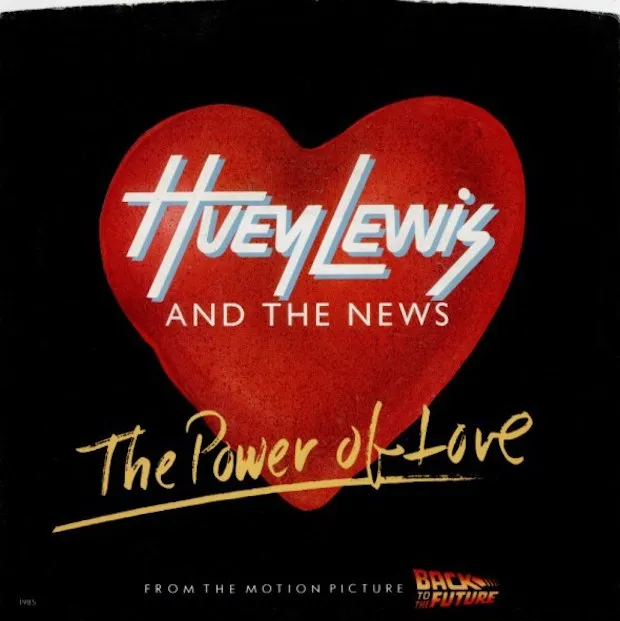 I pride myself on being a longtime Huey Lewis and the News fan—like, I used to buy their songs on iTunes with gift cards instead of flashy gaming apps. I was a Back to the Future superfan too, so the pairing worked out. “The Power of Love” isn’t the only song Lewis and his band made for the film’s soundtrack, but it clears “Back in Time” in every possible way. A movie song appearing on the Hot 100 doesn’t mean it’s good, but “The Power of Love” is an exception. It bridges the gap between the News’ two best albums (Sports and Fore!) with splendid production, good pop-rock fusion, and Lewis’ catchy rasp. And how could I forget the presence of Chris Hayes? His guitar solo in the song’s third act is one that I’ve never gotten over, and it keeps the music from falling totally into synth-pop territory. In a just world, “The Power of Love” and its successes tower over Back to the Future’s.
 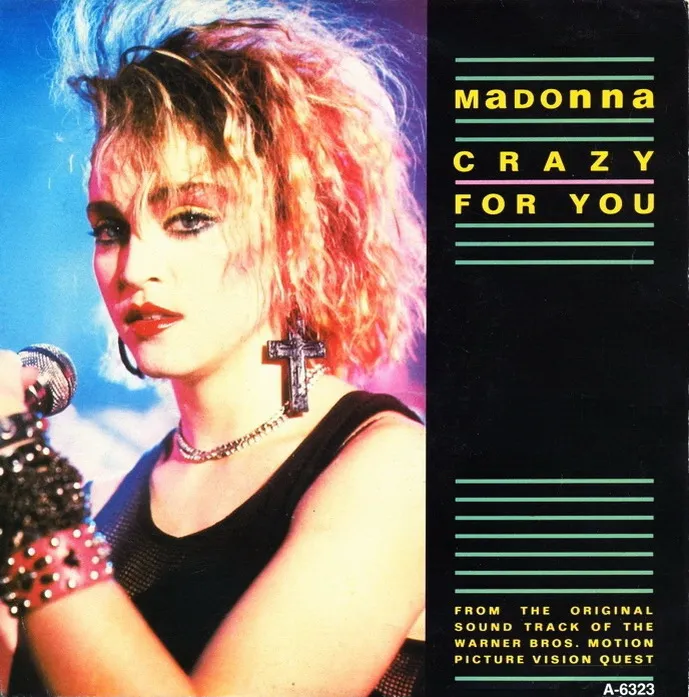 “Crazy for You” was released in-between Like a Virgin singles “Material Girl” and “Angel,” but it’s not on Like a Virgin. Instead, it was featured in the Vision Quest soundtrack and written by John Bettis and Jon Lind. If I’m being real with you, reader… I think I like this song more than most of Like a Virgin. Madonna’s vocal performance, though not astonishing or generational, checks every box it needs to. This was her mature commercial breakthrough. “Crazy for You” wasn’t immediately likable in the same way “Like a Virgin” or “Borderline” or “Holiday” were before it, but it was marketable and sophisticated. Are those qualities that make total sense for a Madonna single? Certainly not. But “Crazy for You” was beloved. The Grammys nominated her for Best Female Pop Vocal Performance and the song has cropped up on a few concert setlists over the years. It’s sentimental in all the best ways. If you catch me at the right hour, I might argue that “Crazy for You” is Madonna’s greatest ballad. Might.
  A proper example of a “good” movie song, Duran Duran’s “A View to a Kill” is probably the best part of the 14th James Bond flick (I’m just guessing, because I haven’t seen the movie in over ten years). But it’s hard to argue against that “dance into the fire, that fatal kiss is all we need” chorus, which hauls major ass. It might be the best one in Duran Duran’s catalogue, full stop. Sure, “Rio” and “Hungry Like the Wolf” have much more juice, commercially and critically, but “A View to a Kill” is a riot—my favorite non-“Girls on Film” Duran Duran tune! Sophisticated production, a big melody, and a hook that’s worth the wait, “A View to a Kill” is a song that validates Duran Duran’s legacy and influence.
 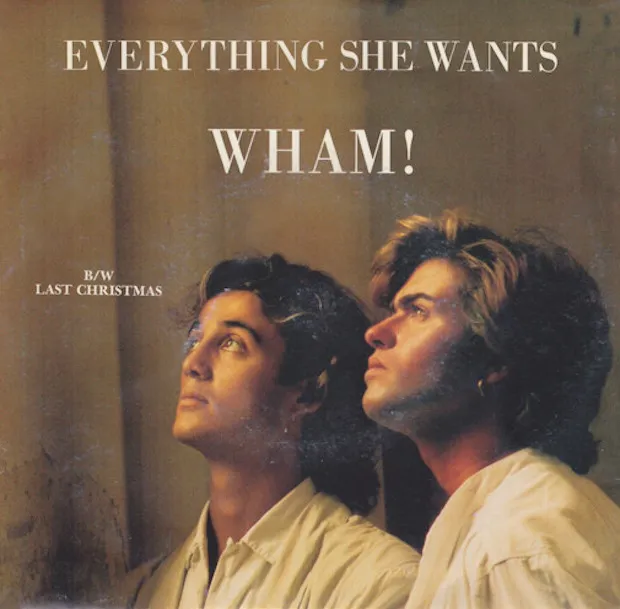 Though it’s overshadowed by “Wake Me Up Before You Go-Go” and “Careless Whisper,” I really do think “Everything She Wants” is the best single from Make It Big. It’s not as catchy as the former or as sensual as the latter, but it flourishes somewhere in-between those poles. It’s good R&B music, full of soul and groove worth dancing to. It’s basically the George Michael show, as his singing, Roland synthesizer, and LinnDrum take up all the space (Andrew Ridgeley adds backing vocals, but they’re minor in comparison). That’s no problem at all, because George Michael is positively magnetic from beginning to end. This is Wham! at the peak of its powers, when Michael had one foot out the door. “Everything She Wants” is colossal, perfect.
 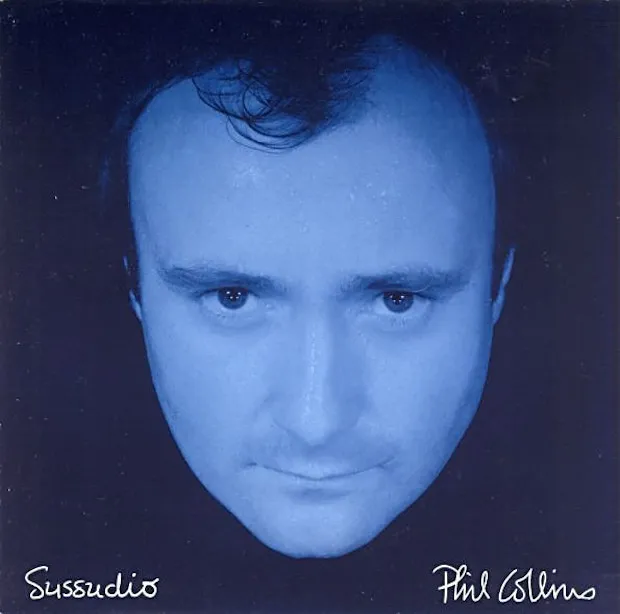 Now this is a great Phil Collins song. He should have injected this kind of funk into all of his songs. Maybe I like it so much because it very clearly rips Prince off a bit. I quote the great Tom Breihan, who wrote that “if something like that happened today, Collins would’ve at least had to give Prince a songwriting credit.” He’s right. A lot of “Sussudio” is a copy of “1999,” but an earworm’s an earworm, man. It’s catchy and the lyrics make no sense. I can get down with that, because there’s no ego or melodrama in this song. It’s just fun dance music. That Phenix Horns section is stellar, complimenting Collins and David Frank’s animated, infectious synthesizers well. And those guitar phrases from Daryl Stuermer? Pure class. When “Sussudio” came out, it was Collins’ best effort by far. Shoutout to Malcolm in the Middle. IYKYK.
 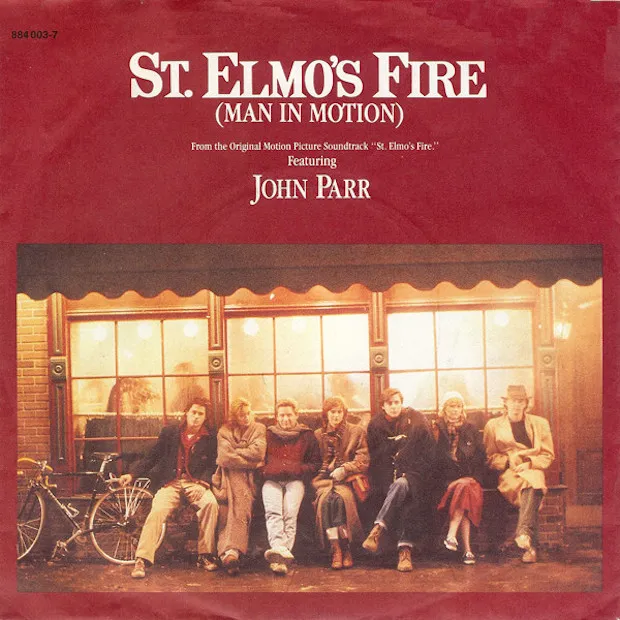 Few films are as quintessentially 1980s as St. Elmo’s Fire, and few songs are as quintessentially 1980s as John Parr’s theme song for it. “St. Elmo’s Fire (Man in Motion)” has the great power of being miles better than its source material, as Parr crafted a real bonafide pop-rock masterpiece that held the #1 spot on the Hot 100 for two weeks in 1985. Not only are the “I can see a new horizon underneath the blazin’ sky / I’ll be where the eagle’s flying higher and higher” lines total ear candy, but members of Toto, REO Speedwagon, and Mr. Mister perform on the track. Talk about an all-star affair from top to bottom.
 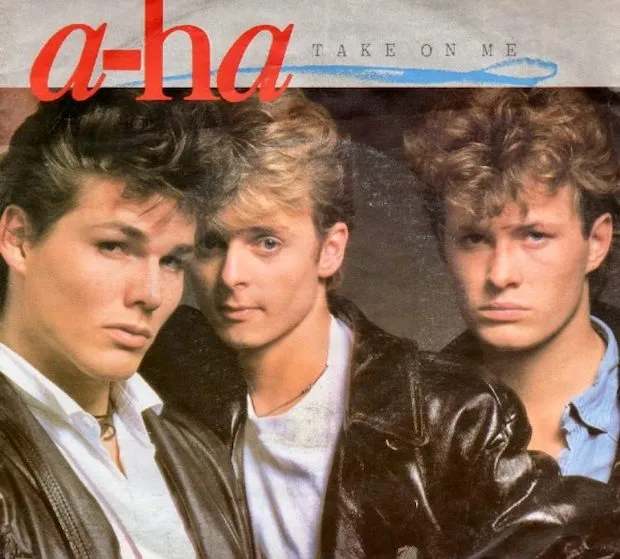 I’m not a label executive, but I’d love to know why Warner Bros. didn’t pick “Take On Me” to be the Hunting High and Low lead single. No one is going to convince me that “Love Is Reason” was the better song, because “Take On Me” has lived on as one of the greatest hit singles of the ‘80s. From the jump, a-ha seemed to have the formula figured out, even if they never made a record as good as Hunting High and Low. Led by the lead vocals of bandleader Morten Harket, the band gets larger than life when Magne Furuholmen and Pål Waaktaar fill out the sound during “Take On Me.” It was such a smash hit that it earned a-ha a Best New Artist nomination at the Grammys, making them the first-ever Norwegian band to be featured in the ceremony. They didn’t win, but “Take On Me” (and its rotoscope-style, animated music video) bought the band enough goodwill and radio airplay to last a lifetime and then some.
 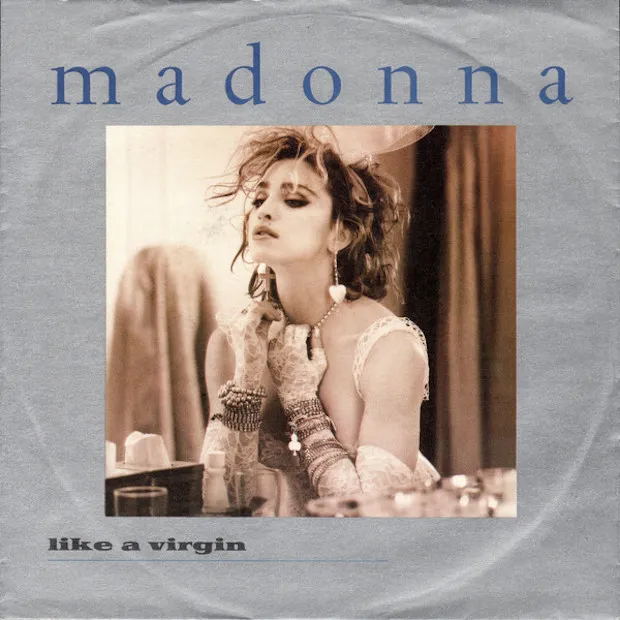 “Like a Virgin” and its “feels so good inside” proverb is maybe tame in retrospect, but we can never abandon the truth: It very well might be one of the most consequential and informative songs in the history of our ever-changing standard. Womanhood in America changed the moment Madonna dropped the track on Halloween 1984, just a month after she sang it at the VMAs—where she emerged from a 17-foot tall wedding cake wearing a belt buckle with “BOY TOY” plastered across the buckle and, after stepping out of one of her high-heels and diving onto the floor to cover up the malfunction, she flashed her underwear at the cameras and flipped the wide-eyed world into a landmine of uncharted desire. Culture shifts at award shows are few and far between nowadays, but “Like a Virgin” was a historical burst of access. Gender became more complex and fluid, sexuality found a nuanced identity—all of this, of course, had been present in the underground for decades, but Madonna was able to hide the pill in applesauce and put it down the throats of detractors and censors.
 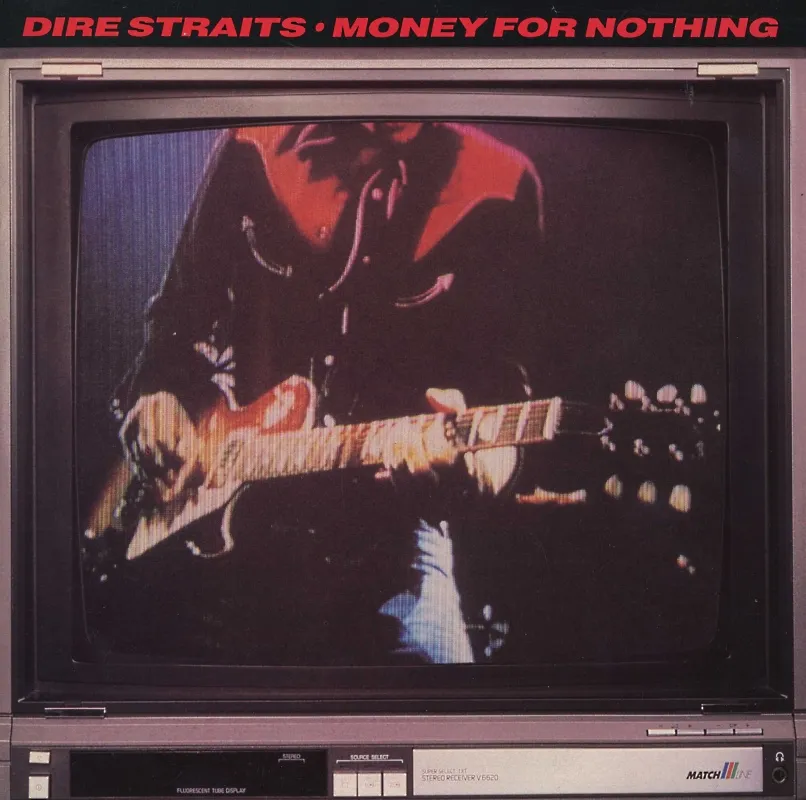 “Money for Nothing” spawned out of a case of eavesdropping, when Mark Knopfler heard appliance store employees talking about music videos. He quickly let the same vulgar color spill out of his pen, claiming that he wanted to use “a lot of the language that the real guy actually used.” Gay slurs, color TVs, and all, “Money for Nothing” became a blockbuster song. That avalanche riff from Knopfler, which he achieved by running a Les Paul through a wah-wah pedal, sounds over-processed and alien, unlike anything he’d done on-record prior. And, compared to Knopfler’s fretboard-scaling in “Sultans of Swing,” “Money for Nothing” is one of the most recognizable “star-making” singles I’ve ever listened to. At the very least, it proved Knopfler to be an unpredictable player—someone unafraid of taking a big swing after the magic of “Sultans of Swing” was rich enough to buy him appearances on Bob Dylan’s Slow Train Coming and Steely Dan’s “Time Out of Mind” by the end of the 1970s. And, if “Sultans of Swing” told us that Mark Knopfler could play the guitar, then “Money for Nothing” illustrated just how much he could twist the instrument without his experiments getting too obtuse.
 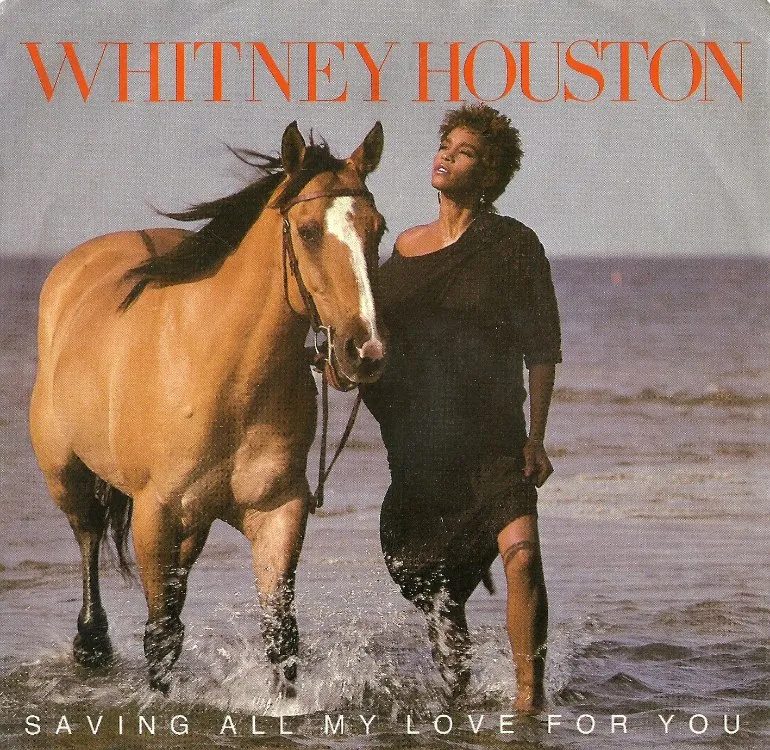 Whitney Houston’s first #1 hit is fantastic and full of “other woman” drama. It’s slow, seductive, and sensational. The romance gets cranked to an 11, and Whitney’s superstardom gets elevated even higher. Of course that’s Tom Scott laying down one of the best saxophone solos of all time. This is timeless, sentimental stuff sung by one of the greatest vocalists of any lifetime. The single kick-started a run of seven #1s in a row for Whitney, and she sang “Saving All My Love for You” on every tour she went on. It’s a cover song, technically, but I think we can all agree that Whitney made it her own. Her debut album is full of gems, like “How Will I Know” and “Greatest Love of All,” but “Saving All My Love for You” is a romance worth falling for each and every time.
 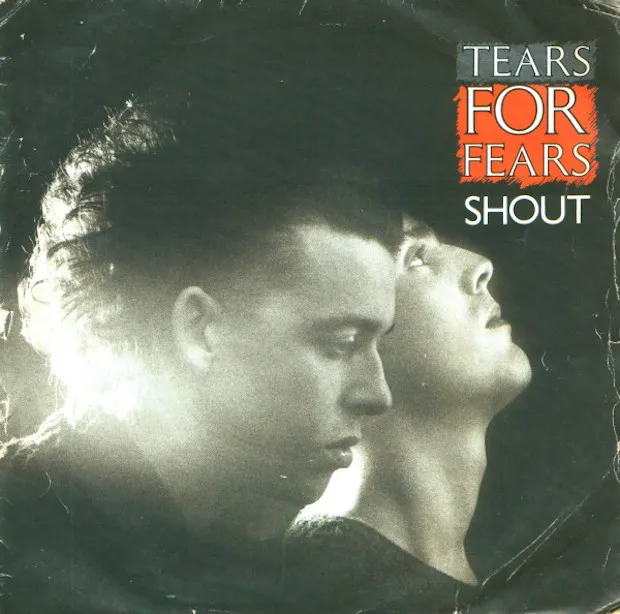 I have so much loyalty to “Everybody Wants to Rule the World” that, over the years, it’s warped my judgement of “Shout.” But I’ve come around to the Songs From the Big Chair single. I think it’s one of the greatest recordings of all time. When I chatted with Tears for Fears earlier this year, I loved how Roland Orzabal described the making of “Shout,” that they were singing it like “John Lennon and the Plastic Ono Band sang ‘Give Peace a Chance,” because it just seemed so incorrect. Tears for Fears fused stadium-sized choruses and with tender, trauma-bonded lyricism and the overwhelming glitz of synthesizers, and they approached the topics of war, faith, love, and power with more elegance than the ex-Beatle’s hunky-dory, rag-tag singalong had more than a decade prior. And yet, the two artists shared a familiar thread, in that they made songs I—and you—knew by name the second I heard them. They spoke the titles into our hearts, found a pocket, and made it profound. They lived to tell the tale.
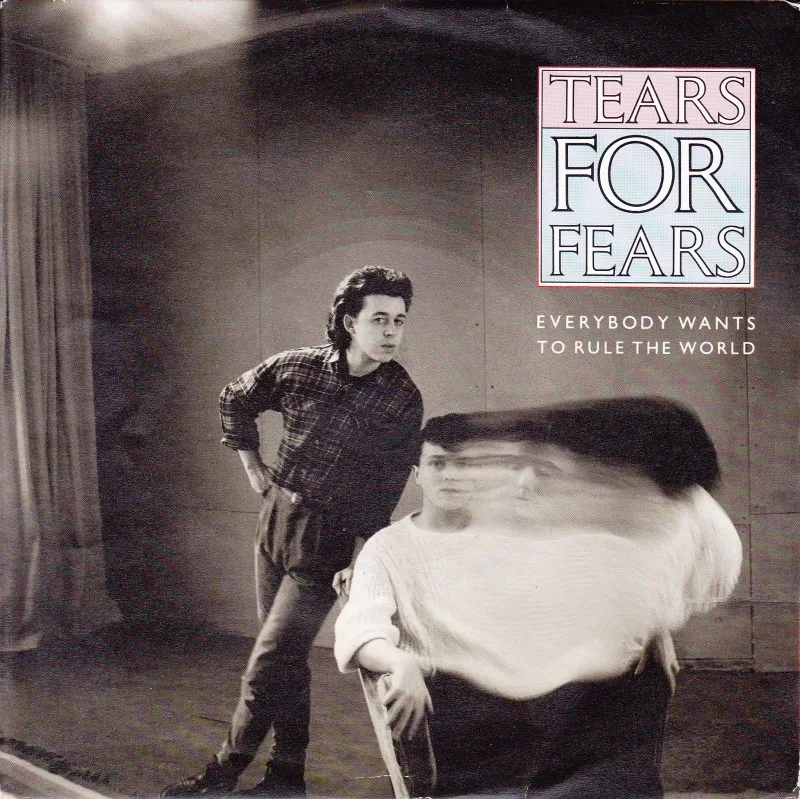 “Everybody Wants to Rule the World,” written by a couple of 24-year-olds, is culturally ubiquitous. The track soared to #1 on eight different charts, including the Hot 100, selling more than 2 million units and going platinum 16 times across Australia, Brazil, Denmark, Italy, New Zealand, and Tears for Fears’ native United Kingdom. MTV played its music video constantly throughout 1985, and the song went on to win a Brit Award before becoming the theme music for Dennis Miller Live. There’s a rock fable about the Clash’s Joe Strummer not only accusing Tears for Fears of lifting the song’s title from a line in “Charlie Don’t Surf,” but about Roland Orzabal pulling a £5 note out of his wallet and giving it to Strummer on account of his and Curt Smith’s “plagiarism.” It’s a menagerie of DX7 and T-8 synths, a PPG Wave synth-bass, and LinnDrums. Due to the constant fear of nuclear fallout, the song was once titled “Everybody Wants to Go to War,” but the band eventually found that to be “a bit hackneyed.” So they called it “Everybody Wants to Rule the World” and watched it become an ‘80s paean. They were singing to their audience, critiquing Mercury A&R man Dave Bates, and using the “so sad they had to fade it” line to lament their label’s desire to cut down the 8-minute runtime of “Shout.” Little did Smith and Orzabal know “Everybody Wants to Rule the World” would be so relevant 40 years later. In the comment section under the band’s “Head Over Heels” music video, one user wrote: “Tears for Fears made lasting music in a time of throwaway pop.”
  Keep scrolling for more great stories.