For Questlove, music doesn’t exist in a vacuum. There are reasons why things happened the way they did that influenced the artists we’ve come to know and love, that shaped the songs we dance to at weddings and play at sports stadiums. His documentaries, including the Ladies & Gentlemen… 50 Years Of SNL Music he directed last year, as well as Summer Of Soul, Sly Lives! (aka The Burden Of Black Genius), and his latest that just premiered at Tribeca, Earth, Wind & Fire: To Be Celestial Vs. That’s The Weight Of The World, serve as a lesson in musical appreciation, musicology, and cultural and social history. They’re a deeper kind of Behind The Music, going beyond the trajectory of a beloved artist or event to place them in the cultural zeitgeist.
In Questlove’s follow-up documentary, Sly Lives! (aka The Burden Of Black Genius), the now solo director moved away from the largely archive-driven approach of Summer Of Soul to include more interviews with surviving members of the Family Stone, Sly Stone’s family, admirers, and fellow musicians to illuminate the artist in a new light. Through new interviews with guests and archival interviews with Stone, Questlove explores the development of one of funk’s biggest names, from his then-controversial decision to feature a multiracial band to evolution of his sound, he relishes the high points in the musician’s career, but doesn’t leave out the demons he wrestled. The second half of the film’s title, The Burden Of Black Genius, looks at the pressure and discrimination Stone faced, as well as his mental health struggles and drug addiction. The portrait Questlove paints is more nuanced than a hagiography, looking to pay homage to the impact this artist had on other musicians like Prince, George Clinton, and clearly Questlove, and acknowledge the price Sly paid to create such unforgettable music.
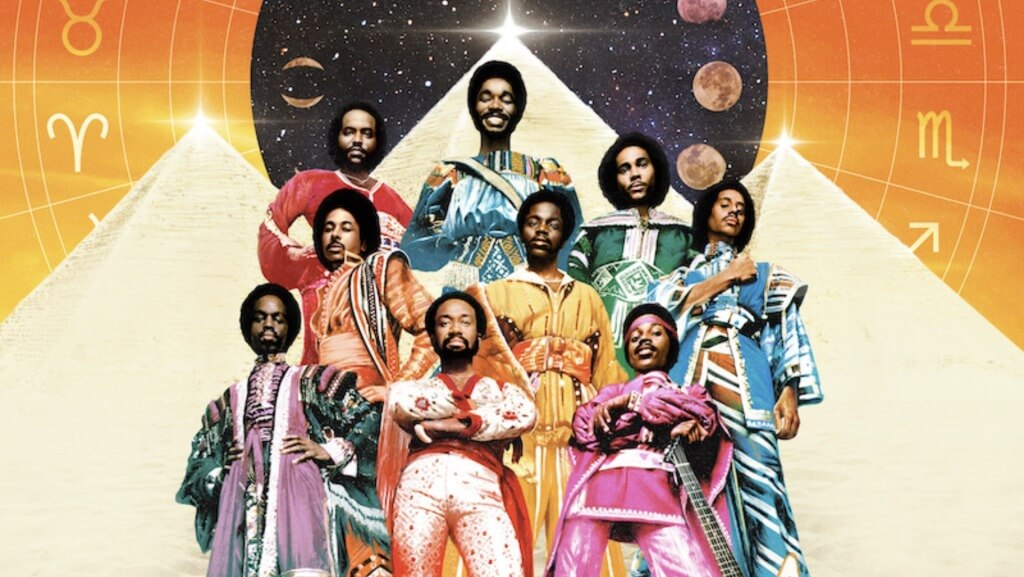
Questlove’s newest jawn, Earth, Wind & Fire: To Be Celestial Vs. That’s The Weight Of The World, follows similar beats in its dual approach to the film’s subject. The first is celebrating the effervescently catchy hits of Earth, Wind & Fire as they chart the course of the band’s evolution through various members and eras. At the center of the story is frontman and founder Maurice White, a passionate if sometimes difficult figure who pushed the band to experiment with meditation practice on-stage, and incorporate funky costumes and theatrics. As one band member said, White “was the visionary and the power belongs to the visionary.”
While commenters as varied as the Obamas, Stevie Wonder, Lionel Richie, H.E.R., and Jimmy Jam add to the perspectives of surviving Earth, Wind & Fire members and one of White’s former partners and his children, the documentary celebrates the joy the band radiated throughout its peak years, coming at a crucial time when celebrating Black beauty and pride was still a revolutionary act. The documentary takes a bit of a philosophical tangent, looking at a number of books that influenced White’s point of view, and thus, his music. He was deeply moved by positive thinking and astrology, even getting the band’s name from his star chart, and wanted to evolve his consciousness and connect with universal audiences. It was only a matter of time before White created his own riff on Afrofuturism as part of the band’s aesthetic.
The Weight Of The World portion of the documentary represents the heavier aspects White and his band had to contend with, especially growing up alongside the Civil Rights Era in Chicago, just as police shot and killed two members of the Black Panthers. In response to the violence and discrimination, White connected with the Black arts community in Chicago that celebrated its African connection, which later influenced him to incorporate Swahili in a commercial jingle and pick up the kalimba, a piano-like instrument played with thumbs. While Questlove’s social and cultural commentary doesn’t feature as prominently as it does in Summer Of Soul and Sly Lives!, his documentary on Earth, Wind & Fire takes on a more psychological approach, looking at how a young boy who felt abandoned by his mother and was beaten by cops as a teenager would go on to lead one of the most popular bands in the country. But the song remains the same: By the time the credits roll, Questlove leaves his audience with a new sense of understanding both of the music of our lives and of the artists behind them, giving them the overdue respect and love they so rarely received during their lifetimes.


 Keep scrolling for more great stories.