Whether or not you’re an avid Friends fan, Netflix’s The One About Matthew Perry is a difficult watch. The NBC sitcom that made Perry a household name isn’t the focus of this intimate docuseries—it’s more about celebrity culture, the pitfalls of fame, and the systemic issues around substance abuse. Of course, the show is mentioned several times over the three hours in which director Mary Robertson paints a devastating portrait of addiction and how it affected a globally beloved star, drawing on the recollections of people in Perry’s orbit, like his sibling, real-life buddies, and industry peers. Despite that reference in the title, the Friends cast aren’t among interviewees, and the doc is better off for it. A lack of Hollywood bigwigs, intentional or not, allows for a sincere rumination on Perry as a person. Instead of hearing what Courteney Cox or Matt LeBlanc have to say about him today, we get the details of what he dealt with behind the scenes of the Must See TV hit, and the personal and professional struggles that followed its end.
The One About Matthew Perry doesn’t reveal anything about Perry’s alcohol and drug use that wasn’t discussed in his 2022 memoir, Friends, Lovers, And The Big Terrible Thing.. Still, the bravura with which he tried to conquer his inner demons over and over, all while trying to maintain his post-Friends career, is apparent and very touching. Like thousands of other people, I grew up loving Friends. It still holds a special place in my heart, despite the “problematic fave” of it all. I knew being confronted by this version of a prolific actor who, for as long as I can remember, made me laugh out loud would be painful. I wasn’t ready to let him make me cry just yet.
The documentary effectively touches upon the book anyway. It frequently incorporates excerpts from the audio version of the memoir, allowing him to tell his story in his own words again. But this must-see doc differentiates itself by supplementing events—such as an on-set jet ski injury that led to a painkiller prescription, being in and out of rehab during production of his big Friends wedding episodes, and a near-fatal 2018 coma—with the POV of those closest to him. Robertson’s interviewees witnessed the three-decade decline of a man that they (and so many others around the world) adored. Three years after Perry died due to the acute effects of ketamine, they’re still coping with his loss, and piecing together why it happened.
In unpacking all this, The One About Matthew Perry at once pays its respects to a troubled, talented Hollywood figure who tried his best to kick his bad habits, and provides an unflinching but macroscopic look at the chronic disease itself. Unlike a lot of celebrity-focused projects about tough subject matter, this doc doesn’t get salacious or exploitative. Yes, it presents some chewed-over material about Perry’s overnight success and the national attention that followed that could’ve been edited out. But the episodes remain thoroughly grounded anyway because of the people in it, who contend with, well, everything.
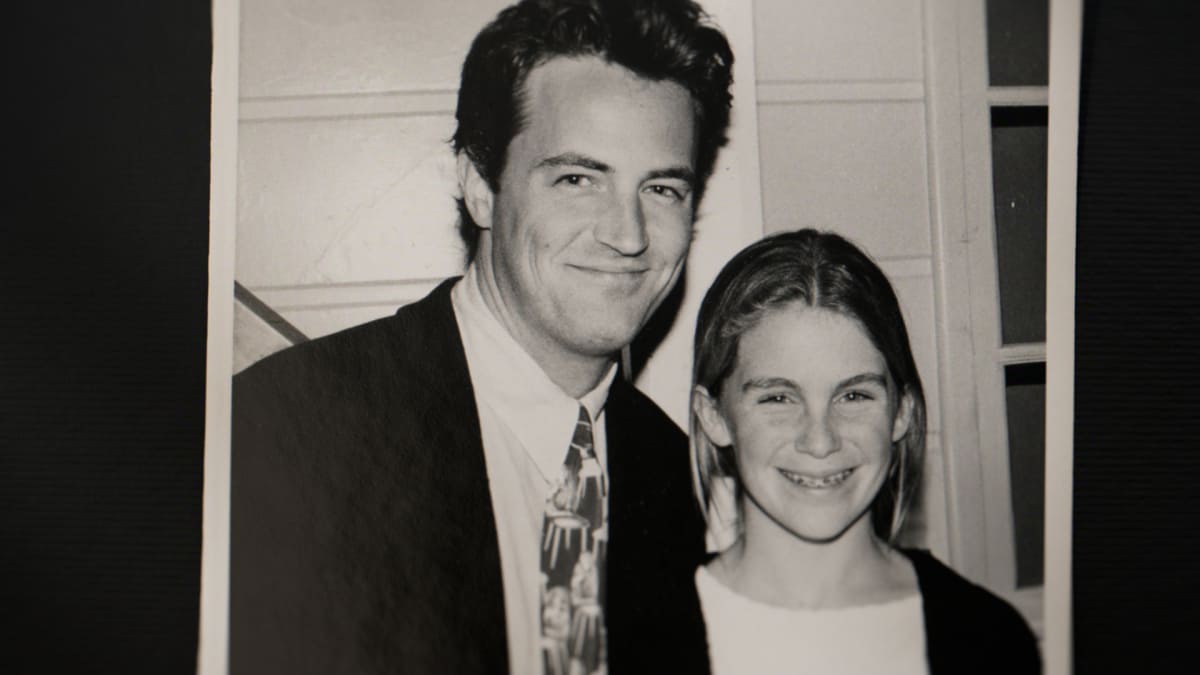
Central among them is Perry’s half-sister, Mia Perry Boswick, who speaks out for the first time since her brother’s death. She eloquently, tenderly, and in detail unpacks their relationship, which was tight-knit despite their age difference. Boswick was born when Perry was 14—they share a father, the actor John Bennett Perry, who remarried after Perry’s parents got divorced when he was a baby. Boswick clarifies that their dad was too sick to appear in The One About Matthew Perry. (Admittedly, the doc would’ve painted an even fuller picture if we heard from Perry’s mom and stepdad, Suzanne and Keith Morrison, and his stepmom, Debbie. It’s fair to assume they weren’t up to talking about their son publicly.)
Boswick, who became a psychotherapist after witnessing her brother’s deterioration, has a keen understanding of the desperation with which Perry wanted to get clean, become a movie star, and let go of his childhood trauma. The doc doesn’t expand on the latter aspect, largely because Perry said what he had to about it in his book. So the episodes chronologically track his early days in LA, his romantic relationships (exes Rene Ashton and Rome Shadanloo pop up), and projects he worked on like Studio 60 On The Sunset Strip, Mr. Sunshine, and a play he wrote about his addiction. Perry’s friends Roger Castillo, David Pressman, and Kevin Pollak, his Whole Nine Yards director Jonathan Lynn, and Fools Rush In producer Doug Draizin collectively praise Perry, but don’t hesitate to discuss the mental and emotional toll that Perry’s actions (even if he didn’t always take accountability for them) took over time. This raw openness, triggering as it may be, is what makes the doc land.
A lot of people might want to tune in to know more details of the trial in which five people were arrested and charged in connection with Perry’s death. Here, too, the doc resists the siren call of tell-all scandalousness. It only devotes the final 15 minutes to the case, mostly so that Boswick and the rest explain the shock of finding out the truth and what it meant to seek justice because Perry’s death “wasn’t just a tragedy; it was criminal.” But the series doesn’t want that to be its only takeaway. It insists on honoring—without celebrating—the circumstances of Perry’s life and career. Friends fan or no, it’s bound to make you weep—could there be a better argument for watching it?
Saloni Gajjar is The A.V. Club‘s TV critic.


 Keep scrolling for more great stories.