
The MTV-to-Hollywood boom has a modern counterpart: YouTube to horror
The year's biggest horror hits, from the self-financed to the studio-driven, signal a new shift from small-screen virality to big-screen bucks.
Photo: YouTube, Focus Features
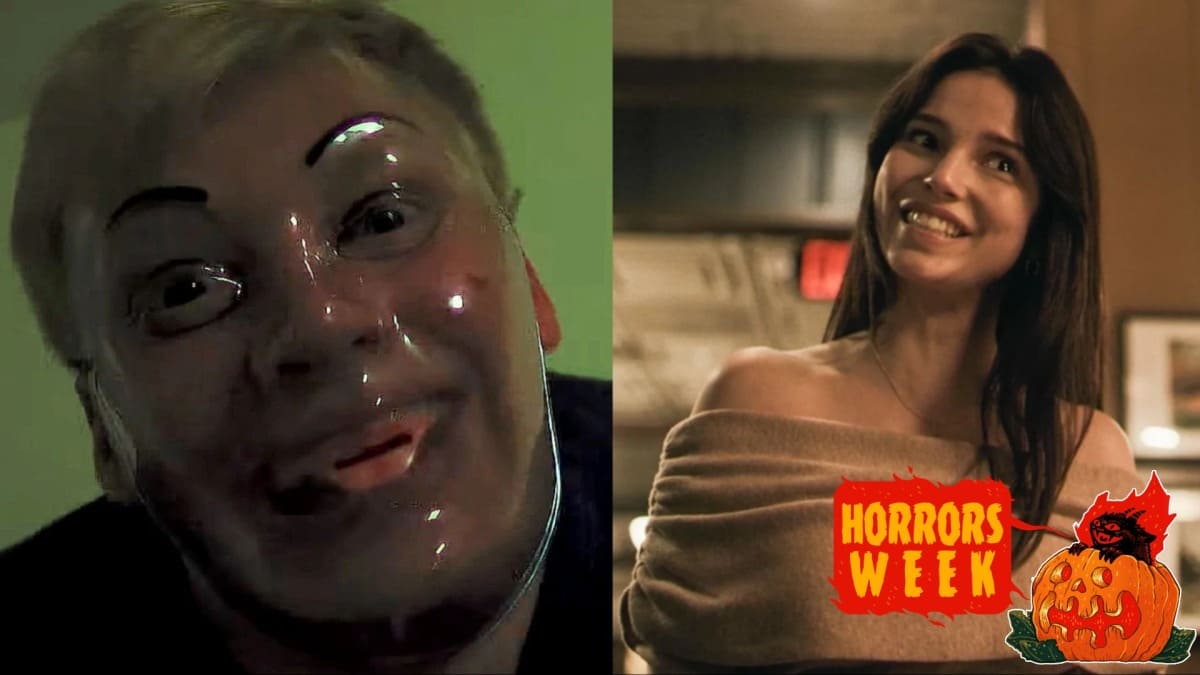
The last time a pressure cooker of stylish shortform video led to a new wave of hit filmmakers descending upon Hollywood, it was music videos that allowed up-and-coming directors to break with tradition and show themselves ready for bigger budgets and A-list stars. Where the MTV generation of filmmakers established languages for slacker rock, hip-hop, G-funk, and more—then translated these experimental flourishes into studio thrillers, action movies, and oddball comedies—the burgeoning YouTube generation has made its mark, especially this year, by bringing their cleverly clicky internet sensibility to horror films.
Though these DIY online filmmakers are operating in a vastly different production landscape than the sleeker Los Angeles music video set, there’s a shared sense of getting away with something as these young directors leap from viral videos to hip indie houses. It’s not that there’s a one-to-one relationship between A24 (which backed Kane Parsons’ Backrooms and the Philippous’ Talk To Me and Bring Her Back) or Neon (which was behind Michael Shanks’ Together) and mega-producer Jerry Bruckheimer at the height of his power. But there’s an energetic semi-subversiveness to the filmmakers these distributors pluck from the internet that’s helping them find a kind of success that resembles Bruckheimer’s cadre of flashy ’80s ad men, like Tony Scott and Michael Bay.
There’s a reason those two directors helped define decades of overblown blockbusters, while many graduates of David Fincher’s commercial and music video house Propaganda Films (Michel Gondry, Antoine Fuqua, Spike Jonze, and more) created singular yet relatively mainstream films that spoke directly to their generation. These visual stylists could work with demanding executives (and even more demanding musical artists), wrangle lots of cash, and keep their personality intact enough to attract the cool-kid eyes of VJs and those whiling away the hours on the couch. Music videos aren’t as fertile for showboating as they once were (or even were in the ’10s, when filmmakers like Daniels split the difference between music videos and YouTube virality), but they’re still helping directors like MUNA collaborator Ally Pankiw make the jump to features.
 Keep scrolling for more great stories.