You know how it is: You’re all excited to play with your new film franchise, introduce your characters, drop some extreme moments on your audience, etc. You’re all geared up to really blow their minds—by, say, permanently maiming one of Street Fighter‘s most iconic characters by having her get one of her fingers cut off to prove her fake loyalty to the bad guys—and then, whomp-whomp: The sticks-in-the-mud at the company that actually owns the character chime in and ask you not to chop Chun-Li’s finger off one movie into what they’re still hoping at this point will be a franchise. Parent companies, they just don’t understand.
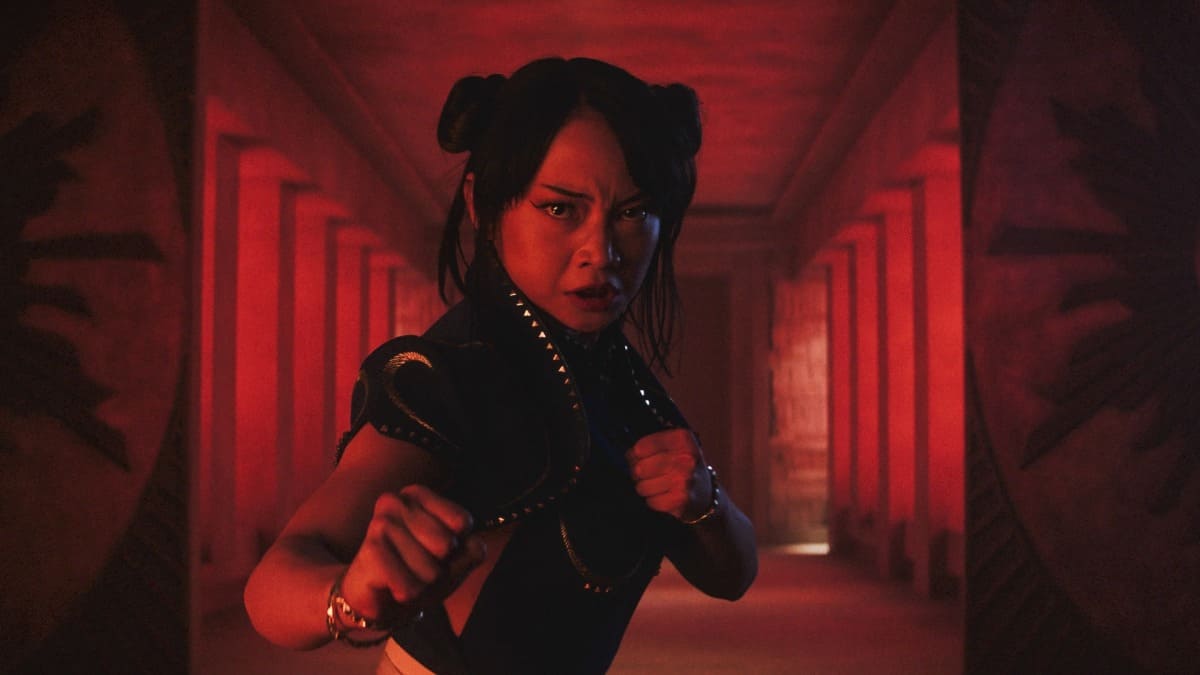
This comes courtesy of a new THR interview with Street Fighter star Callina Liang, who reveals that video game company Capcom stuck its nose in and stopped what we’re sure would have been a really fun “Young woman gets her finger chopped off by sociopaths” scene in Kitao Sakurai’s recent movie. Liang says Capcom “went back and forth with the script” when it came to this bit of fun hand-mutilation, ultimately decided that it’d be better to just brand the character with the bad guy’s logo instead. (As noted by THR‘s Brian Davids, messing up a character’s hands can have pretty massive consequences for filming, given that actors’ hands are often attached to their bodies, and thus crop up even in shots that are not specifically hand-focused; the John Wick franchise, for instance, gave itself a massive and persistent pain in the ass to deal with by having its title character chop off one of his own fingers halfway through John Wick: Chapter 3—Parabellum [And Then He Ended Up Breaking The Agreement He Chopped Off His Finger To Cement Anyway, No We’re Not Still Annoyed About This], thus adding a fun little CGI tax to every single scene in both that movie, and its sequel, where Keanu Reeves’ hands are visible.)
Of course, given that Street Fighter has kind of tanked at the box office, where it’s failed to fend off the movie with the mud guy or a film about counting every hair on Nathan Fielder’s chin, some of these “it’ll impact the franchise” worries may wind up being pretty moot. Or maybe it goes the other way: Maybe audiences were desperate to see their favorite Lightning Kick-dispensing heroine lose a digit, and being denied that spectacle is why they shrugged on Sakurai’s movie. Sliding Doors, you know? We’re pretty sure that’s what Sliding Doors was about.


 Keep scrolling for more great stories.