
Read This: Chris Gethard explains how algorithms killed comedy's middle class
The Internet was once an open door to young, hungry comedians looking to make things. Now, it's a closed loop to nowhere. Chris Gethard would know.
(Photo by Cindy Ord/Getty Images for SiriusXM)
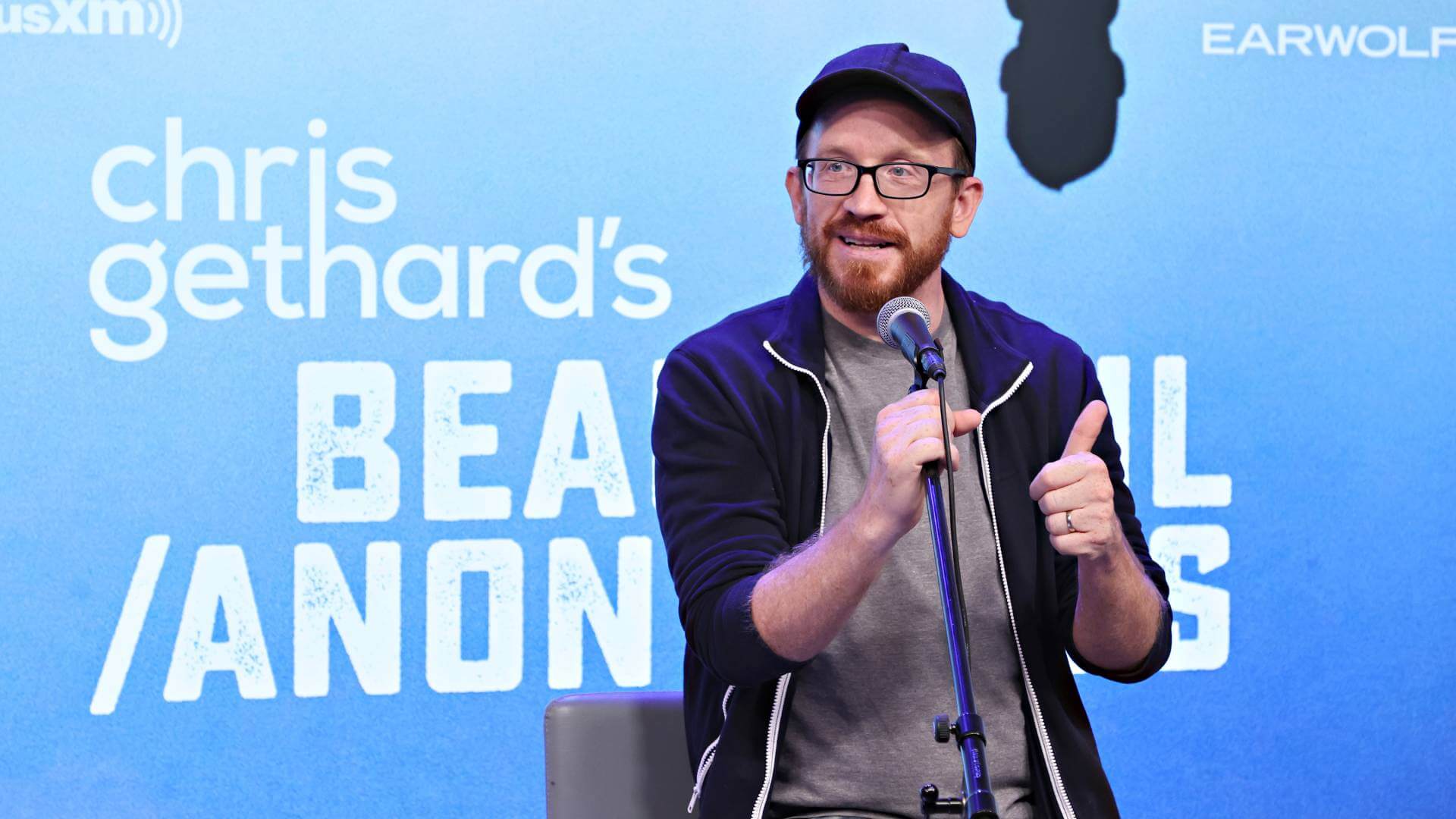
The last five years have been a reckoning for Hollywood. As the industry continues to consolidate into fewer and fewer studios, it’s also placed more undue burden on younger artists, the ones who should be replenishing the ecosystem with new ideas, styles, and sensibilities. What happened to all the movie stars? Why are there no more comedies? Where are the blockbusters? The so-called “democratization of art” of the smartphone and digital media revolutions was supposed to give new voices a chance to compete. But the game has been rigged against the players. Now, in order to stand out, comics have to work the algorithms so that they can stay atop the algorithms—even though the rewards are fleeting and generally unpaid. They think they’re working toward something, but all they’re doing is acting as unpaid interns for Elon Musk, Mark Zuckerberg, and Sundar Pichai. It’s no way to make a life. Chris Gethard should know.
In a new essay in Vulture, Gethard, who went from “boy wonder of the New York improv scene” to “an old DIY uncle to the young artists,” recalls his early days, making a revolutionary public access variety show during what’s been called the second comedy boom. In the late ’00s and 2010s, comedians had several ways to gain exposure and real-world industry experience they could carry forward. Now, the comedians are working the algorithms to stay in front of people who don’t buy tickets to their shows. It’s a closed loop: Feed the algorithm, stay in the algorithm. Gethard sums it up best in the intro to his piece, comparing working the algorithm to a coal mining town, where the “platform” is owned by the company and it only accepts money they create:
 Keep scrolling for more great stories.