
And now, a brief history of the fart in video gaming
With the addition of a dedicated button for breaking wind, new party game Heave Ho 2 enters a surprisingly robust tradition.
Heave Ho 2, Image: Devolver Digital
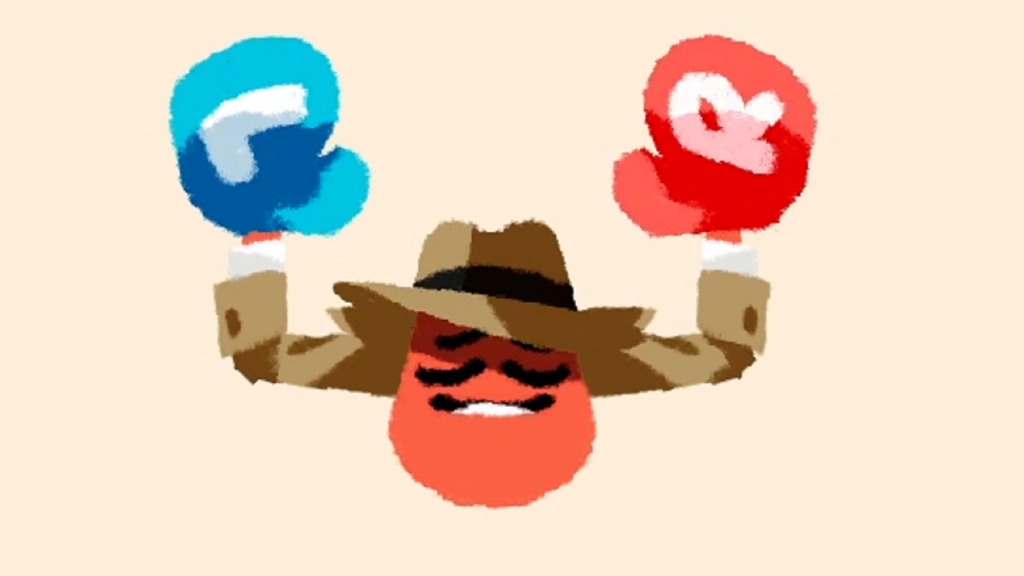
You know you’re operating right out on the cutting edge of serious commentary on digital interactive art when you find yourself staring at a search box, trying to think how best to research the question, “How many video games have ever let you do a fart on command?” (And then realize that you’re standing on the shoulders of slightly dyspeptic giants here, since you’re absolutely not the first one to ask.) Sure, Devolver Digital’s delightfully inventive new co-op game Heave Ho 2—out this week on Steam and the Switch 2—foregrounds its flatus with more force than many games of its flatulent ilk, using it as a core mechanic that allows players to knock around the scenery, jostle friends and opponents, and even (with a bit of practice) operate as a sort of enthusiastically fragrant double jump. But the truth is, the humble fart has been the subject of many meditations from video game designers over the years. And, really, why not?
After all, more people (i.e., all of them) have farted than have ever fired a gun, or played on a professional sports team, or killed a dragon, or any of the other fantasies gaming regularly indulges in; unless you’re training for Ninja Warrior, you’ve probably broken wind more recently than you’ve jumped a gap or climbed a rope. Passing gas is a fundamental act of humanity, literally wired deep into our brains and guts—so why not explore it with one of our freshest artistic mediums? Sure, it’s puerile—but so is play, an act that fundamentally defies the seriousness of the world, and embraces the universality of both our dumb brains and our even dumber biologies.
The most prolific video game farter is, of course, Nintendo’s Wario. (In fact, I’d probably already cemented my reputation as The A.V. Club’s most gas-minded games writer years ago, when I wrote an extensive ode to the stinky bastard that highlighted, in part, the way his willingness to cut the cheese gave him a personality that far outstripped that of his rival Mario.) But although his contributions to the methane sciences can’t be denied, Wario has not been alone in his commitment to making players grateful gaming is not a smell-based medium. Boogerman, Abe from Oddworld, the South Park kids: Many are the video game protagonists who’ve managed to weaponize their natural resources in frequently explosive fashion (although Boogerman, the star of what his game box was determined to describe as “a pick and flick adventure,” was really a Renaissance man when it came to this sort of biological recycling).
Elsewhere, passing gas was used as an avenue for expression, and a reminder not to take things too seriously; consider Peter Molyneux’s Fable games, which, as part of the particularly British sense of humor powering them, were happy to allow the various heroes of Albion to crop dust whole villages in a string of emotes. (And, owing to the somewhat skewed way those games handled impressing and romancing NPCs, probably wooing a few hearts in the process.) Famously, Fable 2’s fart emote included an inevitable-in-that-era quick time event; fail the prompt in question, and players would discover the title’s hero or heroine was one of gaming’s only characters able to crap their pants essentially on command. (On a slightly different note, take last year’s mostly serious Split Fiction, which broke up its story of creativity being devoured by corporate machines with silly side stories, including one written when one of the protagonists was a kid, centered on a pair of joyfully flatulent flying pigs.)
 Keep scrolling for more great stories.