Season 52 has been a rough one at Saturday Night Live. With the first five episodes hosted by, in order, an athlete, a sleepy movie star, a justly fired hack shoved down viewers’ throats once again by Lorne Michaels, an emerging movie star who was underused, and a charmless internet sensation booked for ratings, the young season has floundered. The writers lack the confidence to elevate needy hosts, and the younger additions to the cast have yet to make a collective case that they’re ready to shoulder the show.
And then came John Mulaney. Hosting the sixth episode of the season last week (alongside a stunner of a turn by musical guest Phoebe Bridgers), Mulaney’s rising tide lifted every boat, his signature knowing comic authority buoying sketches that hardly needed the assistance. My colleague Jesse Hassenger called Mulaney’s resurrection of a truly dire-looking season “(almost) impossible,” and I agree wholeheartedly. Season 52 had sputtered along so unpromisingly that I feared even the mighty Mulaney would succumb to the creeping flop sweat and creative torpor. Instead, he pulled off something like a miracle.
Mulaney is (at least) a double threat. Fronted by one of today’s most assured and hilarious stand-ups, with a persona melding old-school showmanship with sly observational insight, Mulaney’s seventh hosting gig showed off what a comedian with real stagecraft can do in the live sketch arena. And as a former Saturday Night Live writer with years of intimate operationalknowledge to draw from, Mulaney could not only contribute to the actual writing (the “Who Wrote What Sketch?” Reddit creates him with two aired sketches, his monologue, and a cut-for-time), but, one suspects, act as an inspiration/corrective simply by sitting in on others’ bull sessions.
Alumni hosting gigs create a fascinating dynamic for SNL. Sometimes (see: Kristen Wiig, Jimmy Fallon) it’s largely an excuse to dig up old favorites. For more offbeat former cast members (Bill Hader, Will Forte), the show typically leans into the host’s vibe, imbuing the rundown with flavors we didn’t realize we were missing. Sadly, most returning cast-turned-hosts are ratings losers compared to the sort of clout-chasing stunt casting (*cough* Druski cough) that one increasingly suspects is of more concern to Michaels and the NBC brass these days.
And then there’s Mulaney, who wasn’t as closely associated with the show when he first hosted in 2018—he managed a few turns as a Weekend Update correspondent during his tenure, but his most prominent contributions to SNL as a staffer were the Stefon spots he wrote with Hader. With the comic, actor, talk show host, and occasionally unwilling tabloid subject’s profile and comedic reputation steadily growing to household name status by 2026, long gone are the days where he could kick off an episode by joking about his supposed anonymity.
Mulaney’s seven stints as host have produced bangers: “Diner Lobster” spawned the rare recurring sketch starring a host, but each episode has produced top-tier sketches (several pulled from Mulaney’s portfolio of SNL rejects) that channeled the comic’s unique sensibilities to classic effect. A too brief list: “What’s That Name?,” “Switcheroo Reboot,” “Rocket Dog,” “Cha-Cha Slide.” My personal “Best Of John Mulaney” episode would also include “Cinema Classics: The Birds,” if only for Kate McKinnon’s line about the avian attackers being “the jerk of the year.”
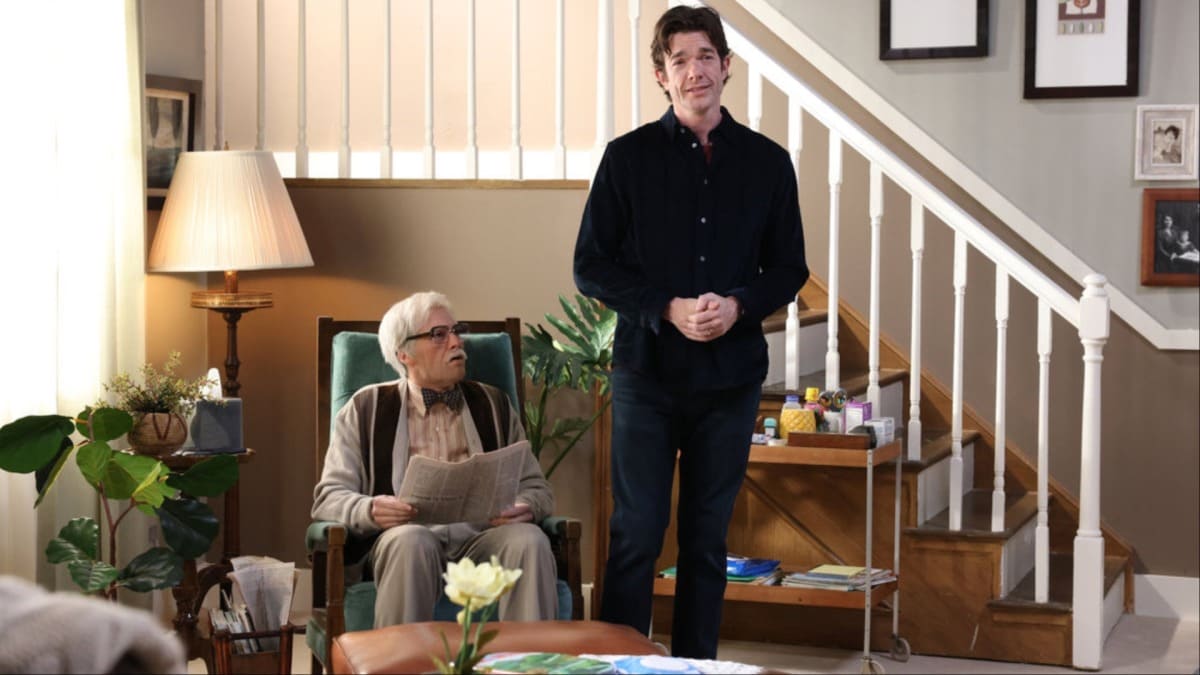
This latest outing was perhaps the best of the bunch. It not only boasted the most deservedly viral SNL sketch in ages, but also a news report piece and a catchphrase-spouting recurring character that both showed how the Mulaney touch could benefit even the most bog-standard material. A characteristic I’m chalking up to Mulaney’s influence on the writing room was the episode’s unprecedented coherence. After riding herd over some above-average takedowns of famous tech bros and their inability to recognize honey traps in a hilarious-for-once topical cold open, Mulaney’s monologue set out several comic themes the episodes returned to again and again. His jokes about the Greatest Generation and the Baby Boomers obviously being autistic (“There weren’t all these autism cases when I was a boy.” “Yes there were, you butterfly-collecting freak”) resurfaced in Tommy Brennan’s sundowning, judgmentally pigheaded father in the “Sister” commercial parody and in the dismantling of the self-congratulating future sellouts at “Woodstock.” When Weekend Update took bites out of RFK Jr’s anti-vaxxer murderousness (and unfortunate vocal ailment), it’s because Mulaney spilled first blood in the water.
The presence of a host so imprinted into Saturday Night Live’s modern DNA formed comic connective pathways. When Ashley Padilla popped up for a second round of Kathy in Mulaney’s latest inevitable Broadway-flavored musical extravaganza, her “You talkin’ transpo?” catchphrase slotted in seamlessly. Layering characters and jokes throughout a sketch show is such a staple of the sorts of groundbreaking comedy SNL was built upon (Monty Python’s Flying Circus being most evident) that it’s always startling when the show actually does it.
I still remember perking up like a bored dog hearing my leash jingle when Kate McKinnon and Aidy Bryant wordlessly floated through commercial bumpers in the 2017-2108 season as the then-newsworthy feet-on-sofa Kellyanne Conway and ominously shades-sporting BBQ Becky, respectively. Much earlier in the show’s run handing the reins to guest director Francis Ford Coppola or letting Charles Grodin constantly break character to comment on the experience of making SNL allowed for show-long threads of meta-comedy. There are risks to this sort of experimentation (gather ’round children to hear the most lamentable tragedy of Charles Rocket), but here, Kathy’s unexpected in-episode recurrence performed the function of reminding viewers of what’s possible when Saturday Night Live remembers its ossified format can still allow for playfulness and structural originality.
Was all this unity of tone and topicality Mulaney’s doing? I say yes. The very fact that the host not only appeared in but comedically drove the cold open was a statement that Mulaney was going to be at the wheel all night. Having claimed his place as SNL hosting royalty, Mulaney routinely calls on fellow show alums to reinforce his sensibilities when he hosts. He brought Bill Hader back to host one of his game show sketches in 2019, his fellow former SNL writer pal Simon Rich is credited on “Sister,” and Bowen Yang’s presence in last week’s episode was another indication of Mulaney having the pull to gather like-minded performers to help realize his vision for the night. Mulaney will even tinker with the show’s promos, as his deconstructionist take on the “light banter and common humor, over before it’s begun” nature of those typically dire mandatory bumpers, enlisting James Austin Johnson’ Bob Dylan to do punch-up. When Mulaney’s monologue echoed through later sketches on Saturday, it reinforced the comic authority of everything before and after.
Mulaney may have personally authored only a small handful of the night’s winners, but watching this gem of an episode amidst the unprofitable litter of its season 52 predecessors, you can always hear his voice. It’s not one that speaks in empty nostalgia or corny reverence for Saturday Night Live’s past—it’s one that knows and appreciates the show’s traditions, and delights in playing around with them. Not every host can be John Mulaney, but there are real lessons SNL can take from how such a focused yet free approach to the whole can raise everyone’s game.


 Keep scrolling for more great stories.