
Little Disasters is a mediocre, mom-centered mystery
Paramount+'s British miniseries feels designed for second-screening.
Photo: Paramount+
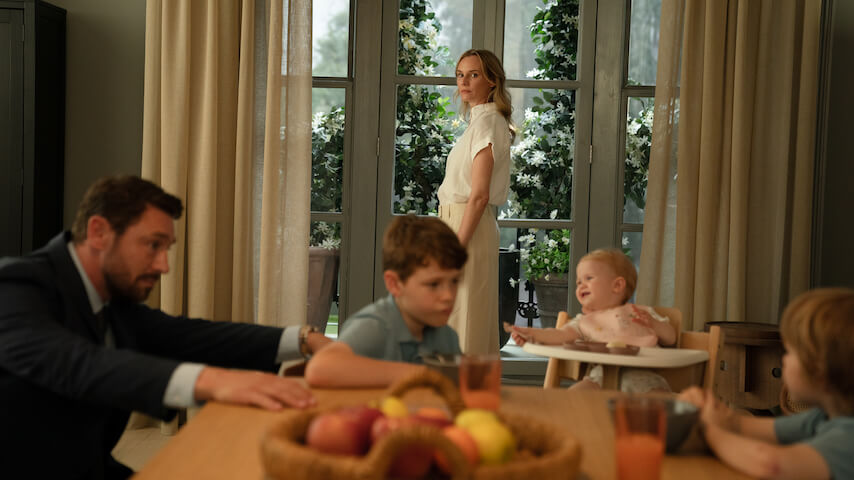
Little Disasters, while certainly coherent and not a disaster itself, also isn’t the kind of show that demands anyone’s fixed attention and feels deliberately overstuffed with exposition to ensure that scroll-watchers can keep up with the action onscreen. And although Paramount+’s new British series bears some resemblance to Big Little Lies, it’s really a laundry-folding show at heart. You might even be able to get in a little vacuuming and still not miss a beat.
With the miniseries, Roughcut Television, the production company behind comedies like Stath Lets Flats and People Just Do Nothing, further expands its roster of dramas. An adaptation of Sarah Vaughan’s novel of the same name, the show is the most palatable of binges, the kind where the stakes are high-ish but not completely devastating. And the series treads that line of not upsetting anyone too much. It fosters concern, sure, but does not create attachment to its characters or story.
Little Disasters‘ approach to characterization is by type. There’s Liz (Jo Joyner), the kindly doctor with a drinking problem; Charlotte (Shelley Conn), the rich one with some home-wrecking tendencies; Mel (Emily Taaffe), the vaguely artsy, Irish one whose dickhead partner is broke and starting a record label; and Jess (Diane Kruger), the ideal mom gone bad who may or may not have seriously injured her 10-month-old baby. Jess is the lone American in this group, the blonde, blue-eyed, “perfect” mother who’s steeped in all of this controversy and MAHA-coded. She even gets kind of roasted by detectives for being anti-NHS and coming from a country with “no public health system.” Though the other three moms, in one flashback scene, appear to agree that they “would hate [Jess] if she weren’t [their] friend”—while she’s within earshot, no less—and the four women have little in common in general, a birthing class that they all attended has served as a strong enough connecting thread between them to have kept them palling around for the past ten years.
So what did Jess do anyway? Well, it certainly looks like she fractured her little girl’s skull or was at least negligent enough to have missed the signs of distress, needing to be roused by her husband (just home from carousing) to take their baby to the hospital. The attending pediatrician turns out to be her old birth-class buddy Liz; and due to the nature of the infant’s injury and the weird, cagey answers Jess mutters when asked about it, she is left with no choice but to report the situation to social services. And so begins the friends’ nightmare, with Liz racked with guilt for ratting on her former bestie and Jess under investigation by child protective services and the police.
 Keep scrolling for more great stories.