
Kit Harington and Sophie Turner turn Onibaba into something Dreadful
The Game Of Thrones stars reunite in an uninspired folk horror remake.
Photo: Lionsgate
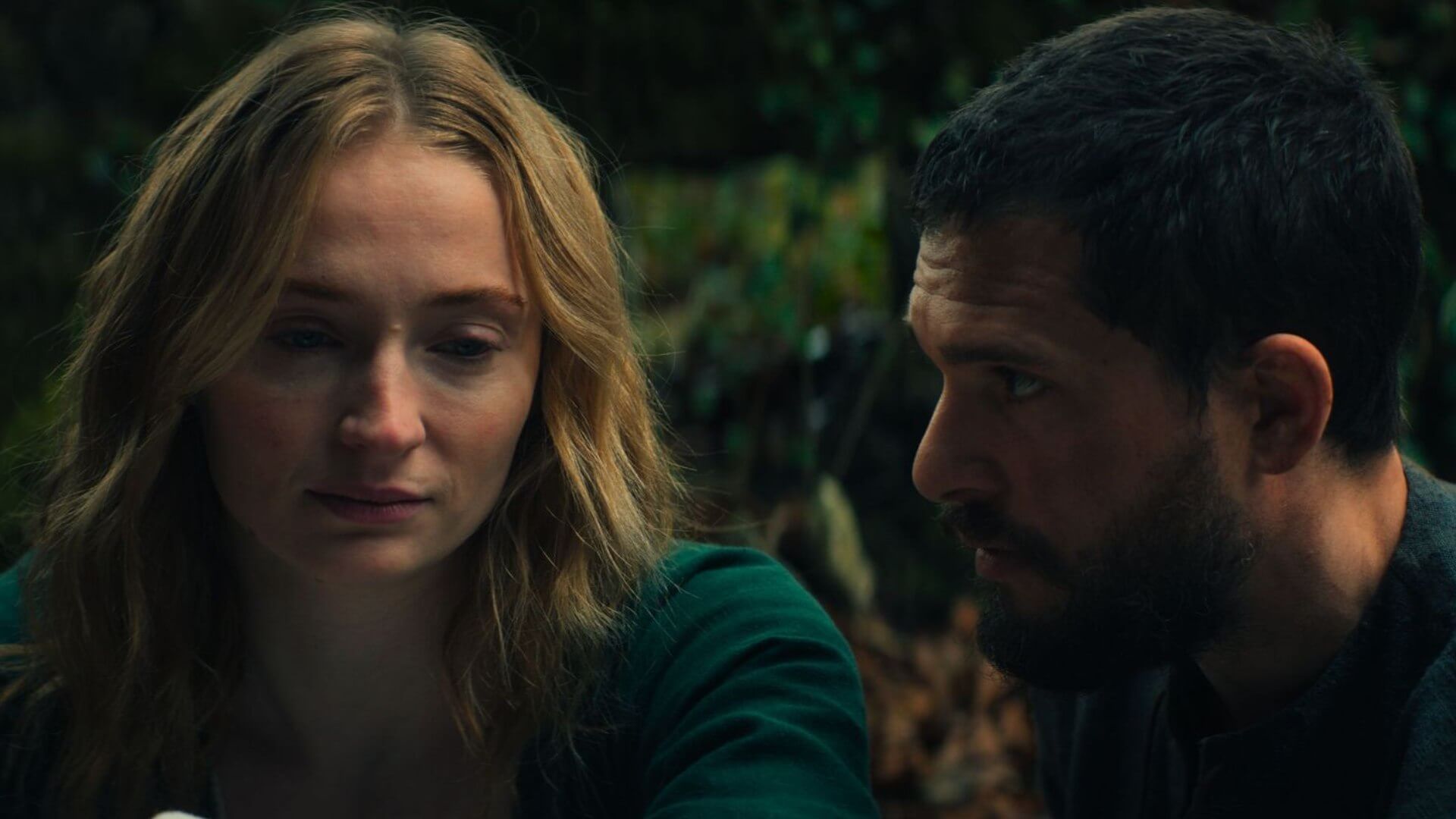
When it comes to folk horror, the Brits stand in a class of their own; a Wicker Man-like figurehead for the subgenre. Japan, though, with plenty of tales of strange yōkai spirits, is not far behind. So it isn’t quite as sacrilegious as it might seem that one of the greatest Japanese folk horror films of the ’60s, Onibaba, got an English-language, English-set remake in the form of filmmaker Natasha Kermani’s The Dreadful. It could work, on paper. The change of setting and culture could even be to The Dreadful‘s benefit if it only engaged with them specifically. Instead, a too-modern sensibility and a drastic change from the original folktale lead the movie dreadfully astray.
Sophie Turner stars as Anne, a young commoner in 15th-century England. The War Of The Roses has called her husband, Seamus, off to war, so Anne is living with her mother-in-law, Morwen (Marcia Gay Harden). It’s a meager existence scraping together a paltry amount of potatoes for dinner, but the pair have faith that he’ll return safe and sound. So, when a childhood friend who went off to war with Seamus returns without him, informing the women that the man who connected them has died, it throws their relationship into question. It’s a Game Of Thrones reunion, as Kit Harington plays the returning Jago, and it’s clear he has eyes for Anne. She might feel the same way, but she worries about abandoning Morwen to her own fate. She’s also scared of Morwen and the increasingly drastic measures she’s taking to help them survive. And that’s not even mentioning the knight, clad head-to-toe in imposing armor, who she’s spotted lurking in the woods around their cabin.
Turner and Harington have a natural chemistry together, despite playing lovers after spending so long playing siblings. (Though if ever there was a show where qualms about incest were unfounded, it’d be that one.) Harrington’s Jago is really just a wedge getting between Anne and Morwen, the crucial relationship in the tale. But there, the chemistry is off. Turner feels too innately savvy to be in the situation necessary for this strange dynamic to truly be effective. Turner reads as a protagonist with her own agency and destiny rather than a woman caught between impossible circumstances of the personal and supernatural sort. Harden has something of the opposite problem; she admirably embodies the look of a peasant woman worn down by the struggles of life and loss, but her Morwen is too sinister from the jump as she plots to keep Anne in her life. Morwen skips right past jealousy (a juicy and potentially carnal dynamic) right to hardened hatred. The trio of characters seem fully aware of their roles in this story instead of being opportunistic people struggling and scheming in a strange, cruel world.
 Keep scrolling for more great stories.