With numbers like that, it’s no wonder awards prognosticators are in a tizzy. It’s almost unprecedented in the 2020s for a documentary to break containment and enter the cultural conversation at this level, let alone a film most audiences didn’t know existed before its premiere at the Telluride Film Festival. Crowds not only turned up to see the movie in droves, some audiences even stuck around movie theaters to discuss what they had just seen. I’ve already seen Fielder and Holmes lookalike contests in New York City, and a drag performance of the pair set to The Police’s “Every Breath You Take.” This kind of fanfare around a documentary has not been seen for some time, since perhaps the isolated early period during the COVID pandemic when many binge-watched Tiger King. If we’re just looking at theatrical releases, you have to go back about two decades to see similar box office receipts.
Back in the early aughts, if a documentary didn’t go straight to a TV channel like HBO or PBS, the traditional theatrical release still reigned supreme. Issue-driven documentaries like Michael Moore’s Bowling For Columbine and Fahrenheit 9/11 or the Al Gore-starring An Inconvenient Truth drew in curious audiences looking to learn more. Animal and science documentaries also saw big hits like March Of The Penguins and Earth, and music-focused documentaries (and their cousin, the concert film) broke through with Michael Jackson’s This Is It and remain some of the top nonfiction earners at the box office.
Fifteen years later, the streaming era has disrupted the documentary distribution game; trying to position a nonfiction film to break through without a name like Taylor Swift is tough. (Last year’s documentary success story, Becoming Led Zeppelin, was the top-grossing title with $16 million, a record You Can See Everything leap-frogged over in just two weekends.) As more streamers bought documentaries to fill their release schedules, theatrical releases became a less viable path, even for the buzziest names out of the festival circuit. Then, streamers and traditional distributors stopped acquiring or producing as many documentaries, leaving many without a path to audiences. Even A24, the distributor behind You Can See Everything, closed its nonfiction division last year citing a tough documentary ecosystem as audiences have become more fragmented and the possibilities of what to watch grow exponentially larger.
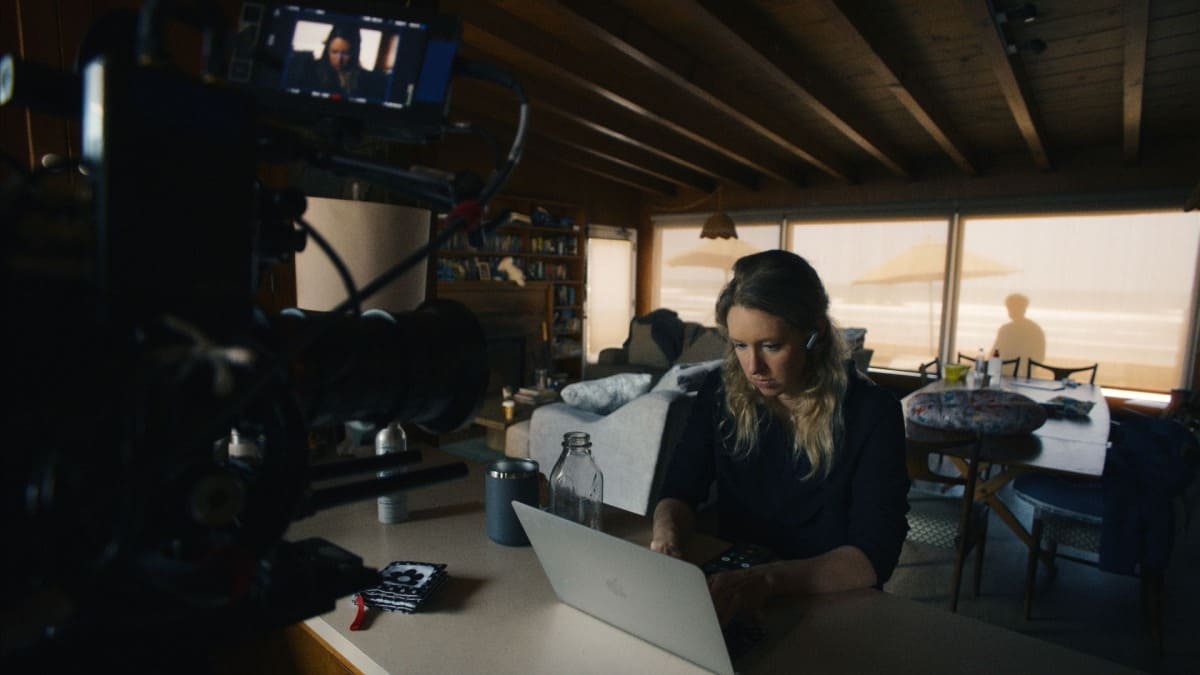
Which makes You Can See Everything something of a perfect fluke. It’s a confluence of interest in a true-crime story that audiences have followed in the news, adaptations like The Dropout, and in buzzy filmmakers like Fielder and Oppenheim. Like the Master Of Suspense himself, the tension around the film’s secrecy fueled even more interest in the movie. After the credits rolled, there were more conversations about Fielder and another guest star who were so integral to the movie and whether or not You Can See Everything even qualifies as a documentary, as it’s so different from the types of nonfiction films audiences are used to seeing. While its awards chances remain to be seen, what’s certain so far is that the film’s box office receipts are within reach of overtaking early-aughts hits like Bowling For Columbine ($58 million) and An Inconvenient Truth ($49 million). With this kind of attention, it’s possible Fielder and Oppenheim can take the crown from one of the other top-earning documentaries like March Of The Penguins ($133 million), Fahrenheit 9/11 ($222 million), or Michael Jackson’s This Is It ($267 million). However far it goes, You Can See Everything has already made history as one of the top documentaries of its decade, maybe of all time, but its real achievement is getting people back into theaters to see a nonfiction film that makes them think twice about what they’re watching.


 Keep scrolling for more great stories.