
An American Tail captured something universal about the immigration experience
40 years ago, the family-friendly animation depicted the somber realities of moving to a new country.
Photo: Universal Pictures
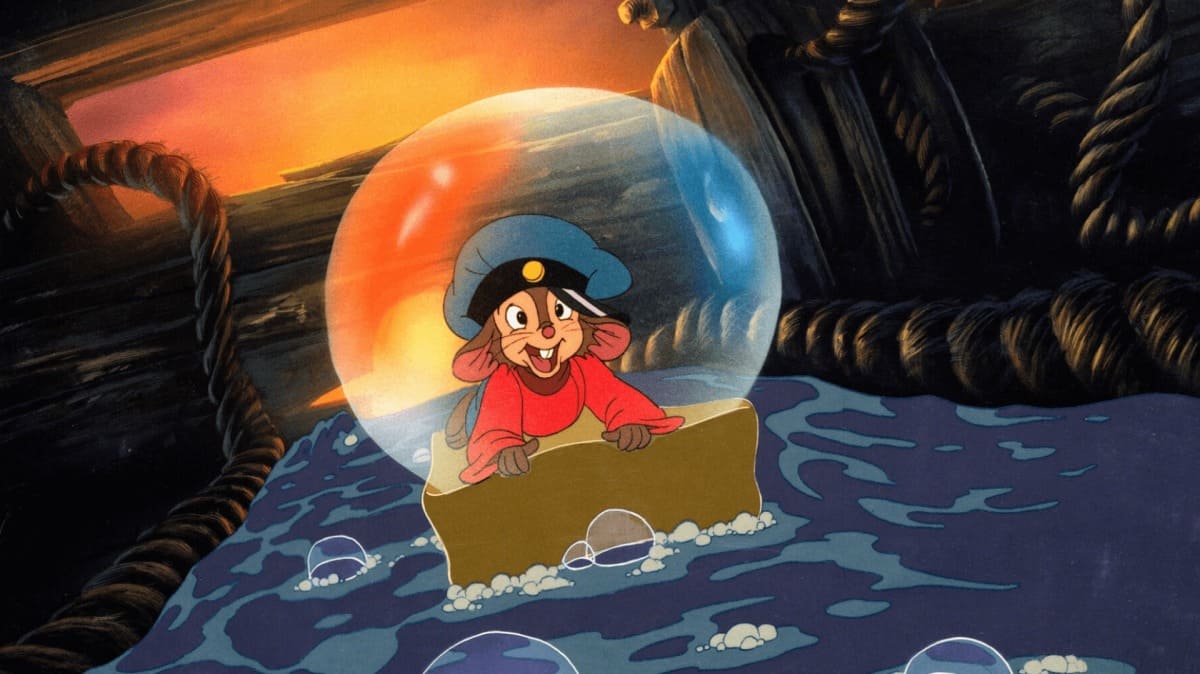
Ahead of Thanksgiving week in 1986, an original animated movie opened in theaters alongside the latest Star Trek sequel and a Disney re-release of Song Of The South. An American Tail may have starred talking mice, but the story it told was vastly different from any Mickey Mouse adventures or that summer’s earlier mystery, The Great Mouse Detective. It was a dark and gripping account about how many immigrants came to call the United States home, following a family of cute, talking mice as they fled persecution and made the treacherous journey overseas to New York City, where they found the cat-free promises of “streets paved with cheese” had been greatly exaggerated. It was grim, it was gritty, but at its core, the movie was a heartwarming tale about a foreign family finding community in a new world.
An American Tail is something like a kid-friendly answer to Martin Scorsese’s Gangs Of New York or James Gray’s The Immigrant. Set in the late 1800s, the story opens on the Mousekewitz family, living underfoot in Russia until their peace is disturbed by antisemitic pogroms. They flee for their lives, following the dream of a safer home for their family to the United States. During a storm on the ship, Fievel Mouskewitz (Phillip Glasser) is separated from the group and must make his way back to his family, who thinks he’s gone for good. Once the remaining Mousekewitzes make it to port, their new home in New York leaves much to be desired. It’s dirty, it’s cramped, and it’s plagued with cats and swindlers making a meal out of the unsuspecting newcomers. In short, it was not the American Dream they sang about. But it is theirs now, and Fievel gets involved with his fellow mice to figure out how to protect their new home.
 Keep scrolling for more great stories.