
R.I.P. James Burrows, Cheers co-creator and TV directing legend
Co-creator of Cheers and director of dozens of successful network pilots, Burrows' impact on the world of TV comedy is difficult to overstate.
James Burrows in 2025, Photo: Amy Sussman/Getty Images
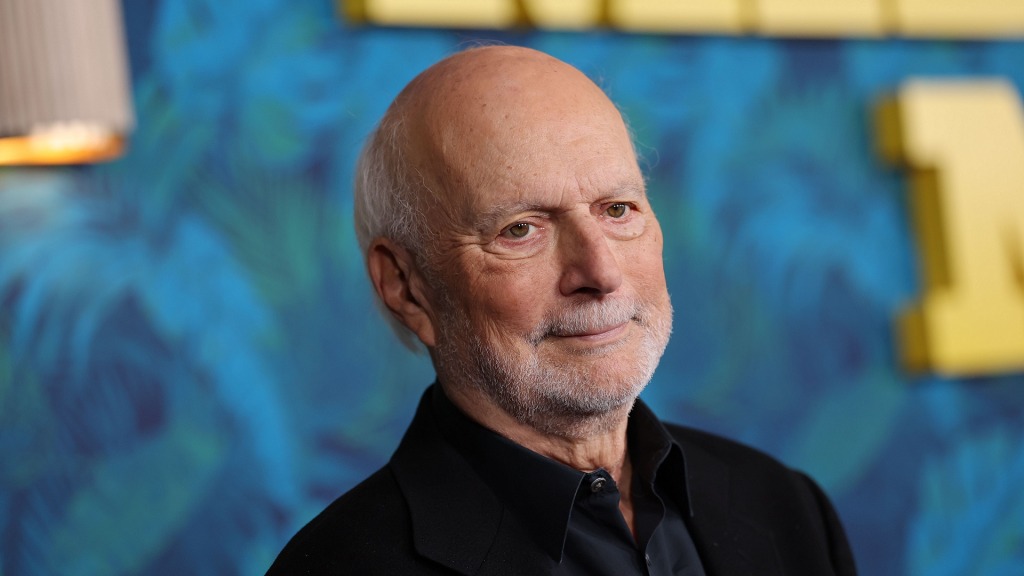
James Burrows has died. One of the most prolific TV comedy directors of all time, with more than 500 episodes of network television to his name, Burrows’ resumé reads like a rough list of many of the best TV shows of multiple generations. Coming up at Mary Tyler Moore’s MTM Enterprises in the 1970s, Burrows worked on everything from Taxi to Friends to Will And Grace—and, perhaps most notably, Cheers, which he co-created and directed 236 episodes of. Frequently hired to direct network pilots, where his command of the multi-camera format helped solidify the visual identities and pacing of dozens of shows across multiple decades, Burrows left an undeniable mark on the face of television in both the 20th and 21st centuries. Per Variety, he died on Friday, June 19th. Burrows was 85.
The son of well-known musical theater writer Abe Burrows, Burrows got his start in the theater—hallmarks of which would persist in his command of blocking, as well as the more stage-like elements of many of his most famous shows. He began his television career under the auspices of Moore’s legendary production company, where he directed episodes of Phyllis, The Bob Newhart Show, The Mary Tyler Moore Show, and Rhoda—and also made contact with other writers and directors, most notably Glen and Les Charles, who he would soon come to work in close association with on Taxi. Debuting in 1978, the show (which would eventually produce the first two of an eventual 11 lifetime Emmy wins for Burrows) became the first major TV hit to carry his imprint from the start, as he directed nearly every episode of its first four seasons.
Taxi would demonstrate many of the hallmarks of Burrows’ future career: Sets full of dark shadows that emphasized the grunginess of its cab depot setting; blocking setups that maneuvered its wide cast of characters through a complicated set; and, most especially, a never-lost understanding that actors and dialogue are the engine that powers a sitcom’s success. Among other things, Burrows had a deep gift for producing performances that felt both natural and dramatically heightened from his actors; the effect was to create characters who spoke like regular people—if real people were capable of delivering a punchline at lightning pace that could bring a whole room down with laughter.
 Keep scrolling for more great stories.