Although its core competency was mostly built on reliability—ensuring that its subscribers could live blissfully free of a hell of not having something playing on their phones or televisions at every waking hour of the day—Netflix has prided itself on a long series of successful efforts to snag the zeitgeist. From early wins like House Of Cards and Orange Is The New Black, through a long era of genuine mega-hits like Stranger Things, Squid Game, and Bridgerton, the streamer has periodically re-asserted the idea that Netflix can pump out a hit pretty much on demand. Unfortunately for the streamer, that’s a belief that has smacked into wall over the last six months, as it followed up the finale of Stranger Things with a whole lot of shows that have either died on the vine in their second seasons, or failed to even get to that milestone in the first place—sending Netflix apparently flailing.
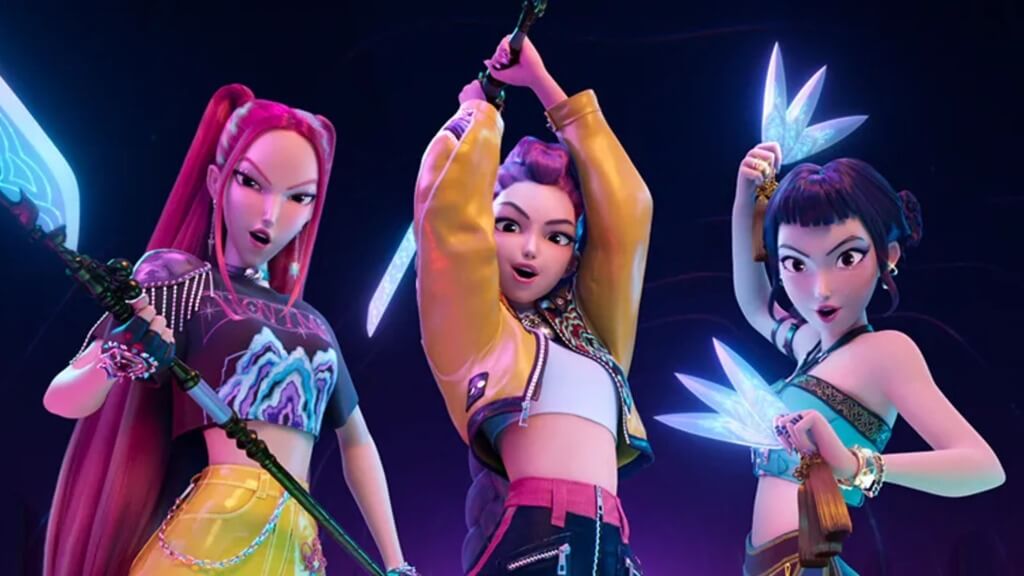
That’s the gist of a new piece of analysis from Vulture this week, which sees industry insiders—including some unnamed executives at rival streaming outfits—try to make sense of what many are seeing as a series of desperation moves from Netflix in 2026. Pushing further into live programming, flirting with the idea of bundling and packaging other companies’ content, and, most especially, an attempt to guzzle down as much YouTube content as the streamer can get its hands on: All of it is being perceived as an outward expression of an internal anxiety that Netflix can’t seem to get up the mojo to dominate the cultural conversation right now. (It feels relevant, for instance, that the streamer’s last real juggernaut, KPop Demon Hunters, wasn’t a home-grown project from Netflix’s increasingly mocked internal studios, but one that it scooped up from Sony Pictures Animation.)
The irony of all this is that, by any metric not set by the dictates of growth-obsessed shareholder appeasement culture, Netflix would be doing about as well as any company on the planet could. A decent chunk of its current “problems” stem from the fact that it’s managed to saturate pretty much the entire globe with its brand, meaning it doesn’t have any new markets to push into anymore; people might complain about periodic price hikes, or the general mid-at-best quality of many of the streamer’s offerings. But that doesn’t seem to have hurt its numbers very much: Four percent of all living humans are currently paying for a Netflix subscription, the kind of numbers any of its rivals would kill for, and which only stock watchers utterly obsessed with “number go up” could call a failure.
Nevertheless, it’s easy to look at 2026 Netflix and see a company falling into a reactionary mindset, trying to make big moves to redraw a battle map it’s already won. The last time the company got this kind of antsy, in the wake of the COVID-19 lockdowns, it managed to make some genuinely successful moves—most notably by launching its ad-supported tier, which managed to lure in a cohort of new subscribers. But at some point, the efficacy of those kinds of tricks are going to wear off, and the company—horror of horrors—might have to reckon with the misery of only being the most consistently massive streamer on the planet, rather than the infinite rocket to heaven Wall Street loves to fantasize about.


 Keep scrolling for more great stories.