In the novel, Heathcliff spends the next 18 years coming up with unique ways to torment the children of these various marriages, in part because he’s still hung up on Cathy’s betrayal. In her final years of life, Cathy encounters Heathcliff only a few times, instead pining for him from four miles away. Readers can imagine Heathcliff doing the same when he’s not stewing over his hurt. The limited romance that exists in the novel lives in this longing. It is the untapped potential of their relationship that never was, coupled with Cathy’s untimely demise, that tugs at the heartstrings. It is a loss that ruins not only Heathcliff’s life, but the lives of almost everyone who has the misfortune to encounter him.
But in Fennell’s Wuthering Heights, Cathy and Heathcliff are tapping that potential constantly. When Heathcliff returns wealthy and well-groomed, Cathy folds immediately. Fennell’s film sees them banging at her father’s funeral, in her skin-themed bedroom, in a carriage—everywhere one can imagine. By consummating the relationship over and over again, Fennell eliminates the tension that made the romance romantic in the first place. Her fanfic becomes simple wish fulfillment, not just for Cathy and Heathcliff, but for Fennell’s assumed audience. Shippers want to see the leads get together, even if the plot and themes demand that they don’t. When Cathy dies in the film, it is magnitudes less shocking and tragic than in the novel because she, for all intents and purposes, already fulfilled her wishes: She was able to escape the poverty of her upbringing and have a passionate romance with the man of her dreams. Here lies Cathy, the girl who got everything. Not exactly a great tragedy.
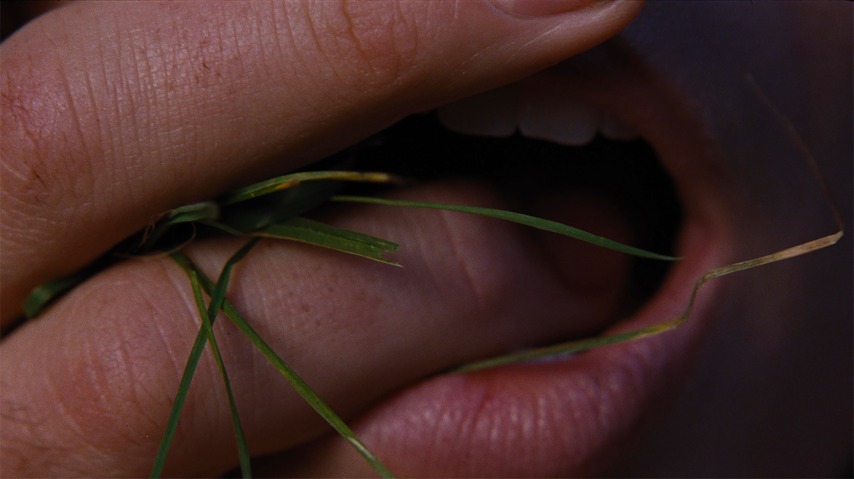
What is especially frustrating is that the other sex Fennell includes in the film is genuinely beneficial to her take on Wuthering Heights. Cathy and Heathcliff’s first sexual encounter—when he catches her masturbating on the moors and puts her fingers in his mouth—is both edgy and elucidates the characters. This scene presents Cathy as a person who will pursue her own pleasure, even if it’s taboo, even if it has to be done secretly, and even if she’s a little ashamed of it. Heathcliff, at this point in the story at least, is content with whatever scraps of Cathy he’s allowed, even if he actively wants more. It’s a moment that actually gives the characters more depth, rather than simply gives the audience a quick and dirty thrill.
Likewise, the choice to make the sexually repressed Isabella explicitly horny for Heathcliff’s sadism develops a character that risked being left in the cold by the truncated story. The novel does establish Isabella’s crush on Heathcliff, but the film’s amping-up of that crush into erotic obsession strikes the right balance of humor and depravity that exists throughout the novel. Isabella ends the story chained, barking like a dog, and liking it—certainly a departure from the novel, but one that gives her a creative conclusion still honest to her character. Cathy says earlier that marriage to Heathcliff would degrade her. With Isabella, we see the degradation in action, and it’s not wholly negative.
These are the exceptions that go in the face of the provocatively try-hard images of the main duo, the ones that don’t add up to the feeling of Wuthering Heights, or even the smaller part of it that’s represented in Fennell’s version. Thanks in part to this adaptive choice, Cathy’s story concludes as a passionless shrug: She’s doomed to her book ending without ever taking the journey that made it so tragic. Fennell added plenty of images designed to shock, thrill, delight to her fanfiction, but they were images for a completely different story.


 Keep scrolling for more great stories.