
House Of The Dragon burst its own bubble
How to deflate a much-anticipated character death: Three arrows and a lot of waiting.
Photo: Theo Whiteman/HBO
This article discusses plot points from season three, episode six of House Of The Dragon, “Faceless Men.”
Criston Cole’s annihilation is the moment every House Of The Dragon viewer has been waiting and loudly wishing for. Ever since he displayed his true colors after Rhaenyra’s rejection in season one—after he broke his Kingsguard vows, no less—Criston became a certified Westerosi incel. Devastated that a 16-year-old princess wouldn’t abandon her crown to run off to Essos with him, Criston swiftly switched his allegiance to Alicent Hightower in order to bring down his former lover. Criston’s anti-Rhaenyra agenda continued for decades—which leads us to season three, “Faceless Men,” and a highly anticipated death that now feels deflating in hindsight.
How did we get here? It didn’t help that the character was looking forward to meeting his maker: For a long time, Criston had been confessing that he awaits death. (No wonder Gwayne Hightower, despite his complicated feelings for the guy, jumped ship from the Riverlands and his commander’s suicide mission.) Criston predicted his end was near, considering his men and supplies dwindled and Aemond (Ewan Mitchell) was a no-show to assist him with Vhagar. He was also away from Alicent, his so-called “beacon,” who has enough problems to deal with to spare him a thought. HOTD has taken its time setting up Criston’s demise—practically ever since he left King’s Landing in season two to march toward Harrenhal. But when it finally happens, it’s nothing more than the show swatting an annoying fly out of the way as unceremoniously as possible.
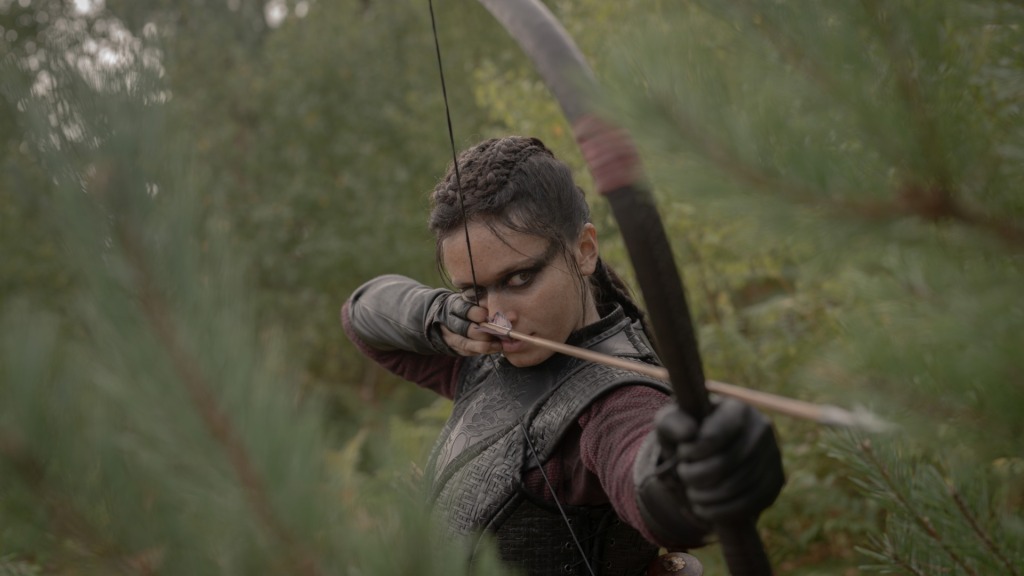
Mere minutes into “Faceless Men,” the realm’s self-proclaimed greatest warrior is felled by three arrows from the bow of Alysanne Blackwood. It should be a victory not just for Team Black, but also for the audience, who’ve patiently waited for years to see Ser Criston get his comeuppance. There’s no big swordfight, no honor, and no hero moment. Unfortunately for him, nobody is going to sing about his valor and misguided righteousness—certainly not in any way that will reach a wary Alicent’s ears. House Of The Dragon doesn’t give much weight to the depiction of Criston’s death—the Butcher’s Ball, as it’s called in George R.R. Martin’s Fire & Blood. Heck, Aemond stabbing a vulnerable Simon Strong (Simon Russell Beale) three episodes ago evoked a stronger reaction from me.
 Keep scrolling for more great stories.