Just a few innocent years ago, it seemed like the soulless cinematic cash grabs that were going to dominate the movie theater were horror films based on public domain figures, like Winnie The Pooh, Pinocchio, Bambi, or a very specific iteration of Mickey Mouse that kills you. As ridiculous and crass as those films were, making murderers out of cute characters for a quick buck, they followed in the long tradition of the exploitation movie, a broad designation that encompasses everything from the “nudie cuties” to teen beach romps to Amityville Shark House to all the mockbusters put out by The Asylum. But just a few technological advancements and inconsistent legal decisions later, and the real villains of the modern exploitation era have emerged. The rip-offs filmmakers now have to worry about are generative AI sloppycats, hoping to siphon revenue away from actual artists without even pretending to employ any themselves.
The former aim, to capitalize on someone else’s hard work for some of their financial crumbs (also known as “drafting”), is annoying, but historically ubiquitous. Alien Discovery Day is trying to fool grandmothers typing “Disclosure Day” into their Roku in 2026 just like Angels Revenge tried to fool fans of Charlie’s Angels back in the ’70s. But even in these kinds of plagiaristic B movies, there’s room for creativity. Sure, Blacula is Black Dracula, but it isn’t just Black Dracula. Francis Ford Coppola’s Dementia 13 is more than a Psycho copy, even if it was commissioned as such by Roger Corman. Even if it’s a dishonest day’s work, filming a knock-off means making choices, which means creating something. The incursion of generative AI robs even the most rapacious industry leech of the ability to accidentally stumble into something interesting. Robbery and deception at least used to take a little bit of work.
This isn’t a problem isolated to film: AI song thieves swipe albums wholesale and put them on Spotify; vibecoders flood the gaming world with cheap copycats; as soon as a new book drops, Amazon automatically lists a few fakes with the same title. That this is widespread makes perfect sense. The courts have effectively determined that theft is legal as long as it’s superficially obfuscated with a bit of programming. It was only a matter of time—especially as more and more filmmakers, film festivals, and trade publications attempt to legitimize collaged slurries of stolen footage—that the unscrupulous opportunists always lurking around the industry’s fringes stopped making movies and started generating them.
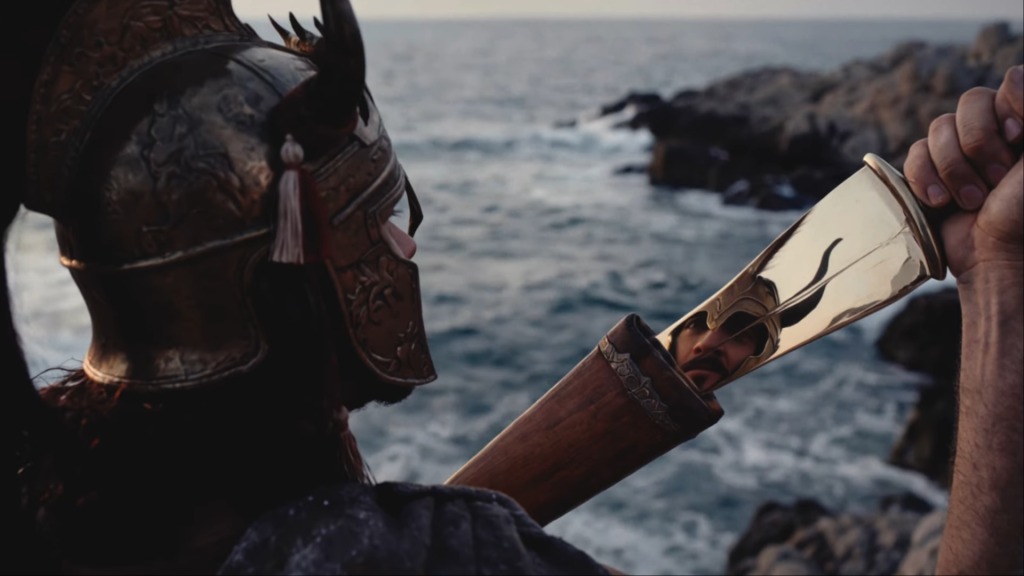
This week, the first high-profile example of this popped up. Generated by the same crook who conned Tribeca into platforming an all-AI snuff film, an AI sloppycat of The Odyssey is attempting to capitalize on Christopher Nolan’s work and—at least judging by the look of it—the footage from his trailers. There’s no need to mention the title of this junk or the name of the person whose program cobbled it together, but it’s worth acknowledging that this is less of a curiosity for the schadenfraude-prone and more of an omen for the future of the cinematic bargain bin.
That’s not to say that it’s time to mount a total defense of soundalike tricksters, but to look at what we lose when the cheap schlock—the cynical trash that fills the digital grindhouse—stops being made by people. What happens when the charmingly low-rent corner of the film world, which has long sung a sleazy siren song to those of us more morbidly curious cinephiles, is overrun by slop churned out the second a blockbuster releases enough stills to sufficiently train its plagiarist?
It’s not like there was much excess imagination to spare in that area anyways, as these kinds of movies gravitated away from aping trends and towards duplicating IP. To bring it back to those public domain slashers, Jim Vorel made this point at Paste during the boom phase of that particular craze: “These movies aren’t being made by renegade filmmakers thumbing their noses at Disney’s business practices; they’re being made by guys who envy Disney resources and profit margins.” Taking that one step further, the businessmen generating AI knock-offs aren’t “democratizing” filmmaking, as their statements to more credulous press outlets might proclaim. They’re kleptocratizing it. Thanks to readily available cameras and editing software, independently made facsimiles are limited only by the collective ability and dignity of a filmmaking crew. Thanks to the leniency of the legal system, AI-generated duplicates are limited only by how many actual movies they can strip for parts.
That this is all coming to a head with The Odyssey is a collision of scummy worlds: the public domain film, the mockbuster soundalike, and the AI entrepreneur trying to push his way into filmmaking. If he’d tried this with another studio hit from this year—like The Asylum did with its meticulously differentiated The Last Hail M.A.R.Y.—maybe there would’ve been lawsuits. Maybe those lawsuits would’ve just drawn more attention to the rip-offs in question. It’s hard to know for sure, because most decisions levied against these human-run rackets involve deceptive marketing rather than copyright infringement. But the fact that an AI company is getting any sort of traction with a sloppycat this bold means that sooner rather than later, one of these start-ups will steal from the wrong studio, just because they can, and they won’t have a 2,700-year-old poem to hide behind.


 Keep scrolling for more great stories.