
The Perfect Neighbor stares helplessly at a perfectly ordinary American murder
The documentary uses bodycam footage to capture the inevitable, racist, deeply American murder at its heart.
Photo: Netflix
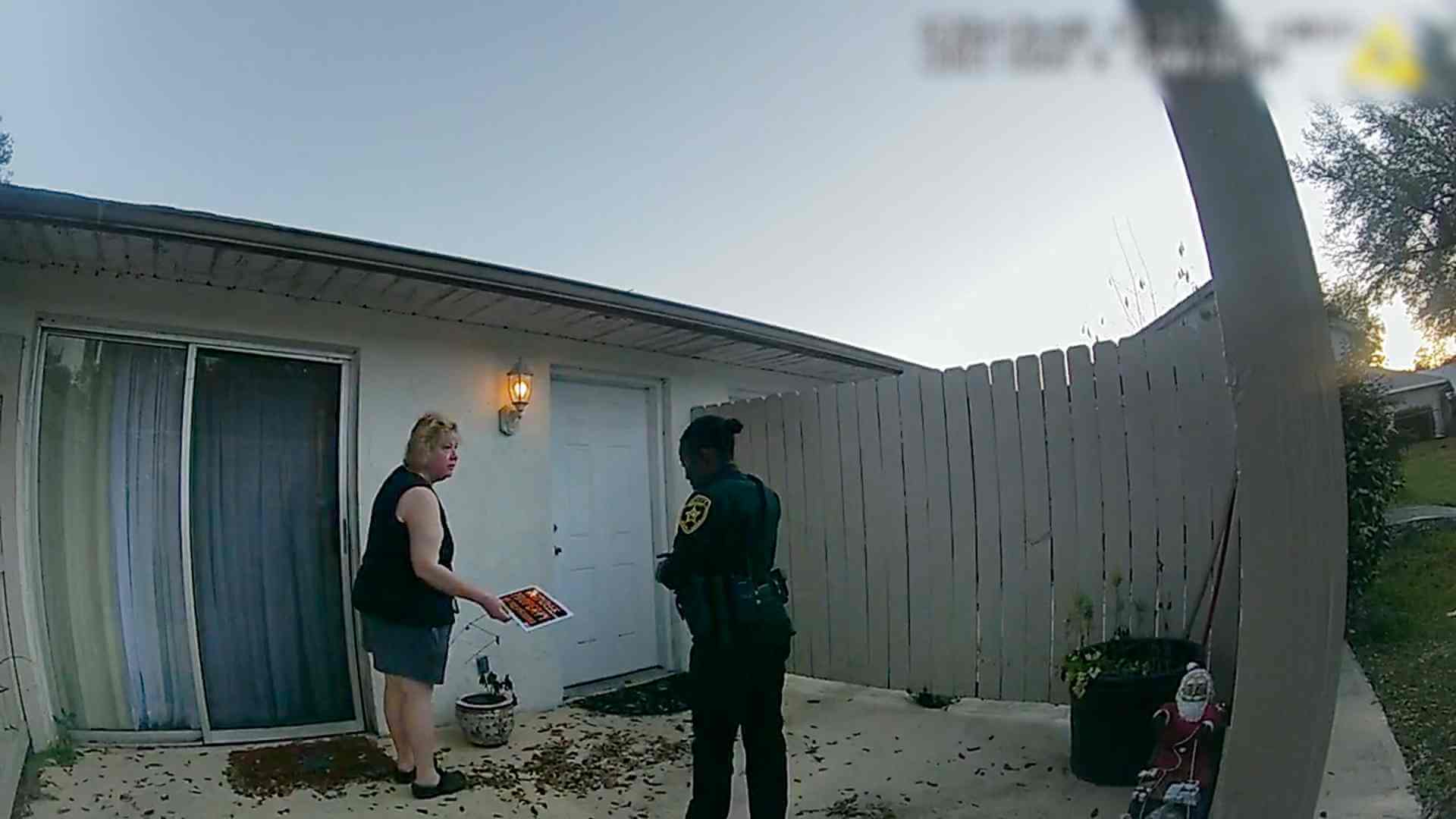
There’s a level of wishful thinking that goes into The Perfect Neighbor. There’s nothing false about it; director Geeta Gandbhir’s crime documentary is almost entirely composed of bodycam and interrogation footage, 911 recordings and court appearances. But part of its narrative arc is predicated on a set of assumptions, on a social contract that no longer exists—or, for most people, never existed in the first place. To watch The Perfect Neighbor‘s racist murder unfold is to watch the notion that the police are here to protect and serve unravel. To see its inevitable conclusion coming, far in advance, is to understand what and who American laws legitimize. To exhale a faint sigh as its ending finds a bare minimum of justice is to acknowledge how rare even that has become. It’s a cold and angry film, effectively constructed yet not nearly as special as its harrowing case seems.
This tone is familiar for Gandbhir (a frequent Spike Lee collaborator who also helmed the brutally effective 2017 rape kit documentary I Am Evidence), though The Perfect Neighbor sets itself apart with its intensely hands-off format. As the film unfolds, its nightmarish true-crime told through the visual language of Cops, the only hope is found on the edges of the frame. In a low-income Florida neighborhood, Susan Lorincz—an overreactive “Karen” to her neighbors, Black and white alike—is a known menace whose racist outbursts plague the community and pepper local law enforcement with endless false alarms. The responding officers kid around with the fed-up families over their shared eye-rolling attitude towards the annoyance, but each time they arrive, they back up Susan’s Black neighbors and their children (who are always the target of her ire), and do a fat lot of nothing. The rest of the community is helping look out for each other, but when Susan escalates things with her constant emergency calls, there are no consequences—for her, at least. It’s all perfectly legal.
 Keep scrolling for more great stories.