A narrator (Shu Qi) takes us through this Deliriant’s various imaginations, beginning with evocative silent pictures and evolving into flashily modern single-take wonders. It starts with the Deliriant in his most monstrous, garish form—a pitiable Lon Chaney creation built to stalk the German Expressionist shadows of an opium den—and culminates with his slickest—a lovestruck hoodlum slinking around a jaw-dropping oner on the cusp of a new millennium.
Between are a washed-out, Dark City-like oddball noir obsessed with diegetic sound, which tears its way into Resurrection like color flooding Dorothy’s arrival in Oz; a toothache-stricken ex-monk, left alone by looters in his old monastery, living through a frigid ghost story; and a lush con-artist drama, hinging upon lies you can smell. Each chapter leaps genres and decades, styles and aspect ratios, color palettes and paces. The narratives all give way to their tangible focus—ironic, considering this isn’t shot in Smell-O-Vision and William Castle is long dead. But you swear you can still smell the sweat lingering on poolside skin, taste the never-dwindling cigarette between a spirit’s lips, or feel the heat between two lovers. Divided yet compounding as the totality of Resurrection unfolds, our sharpened senses catch onto the details of Bi’s work, our awareness heightened around how many ways we can engage with the film in front of us, and movies in general.
It’s an ambitious undertaking, and one so single-mindedly obsessed with its medium that, like those “love letters,” it’s inherently in danger of industry schmaltz or arthouse inscrutability. And Bi is still high on the possibilities of film; he asks Yee to effectively play the living body of cinema, the essential dreamer, the audience member. Casually magnificent camerawork illustrates each subdream’s purpose with ornate clarity, Dong Jingsong’s lighting and focus shifting instantly like a nightmare taking a turn off a cliff—yet seeming totally normal at the time. Minimal handholding sets this up, and the fable framework only adds another layer to chew on. And yet, Resurrection also tells one of the year’s best fart jokes. Bi finds plenty to laugh at, mourn, and admire in his card sharps, disgraced holy men, grotesques, and gangland losers. These characters yearn, burning like nitrate (sometimes literally). That it all serves a headier purpose is just another thrill, another sense titillated by the picture show.
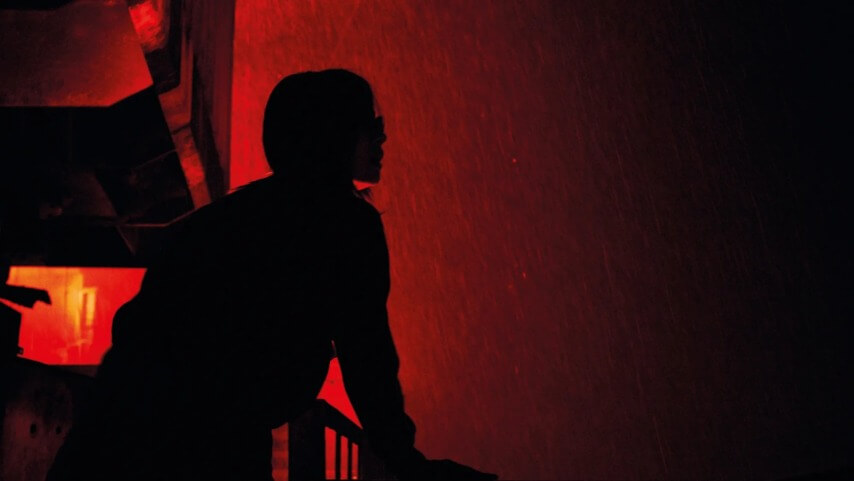
It all comes to a head with that dockside delinquent meet-cute, New Year’s Eve, 1999. Drenched in rain and the red light of its shady city district, Apollo (Yee) and Tai Zhaomei (Li Gengxi) traipse through their own hyper-ambitious version of Before Sunrise, naturally adding in some karaoke and bloodshed for good measure. As this showboating take unfurls, incorporating time-lapse footage before jolting back into normal speed, we get our biggest secondhand buzz from Bi. Resurrection separates out the ways we can love the movies, dividing its audience out into cinematic canopic jars, then reassembles us into a glorious whole for a finale that revels in our totality. And yet, there’s nothing cloying about this. The work, the tearing down and building back up, is about appreciation. It’s not easy, and, in a world of Deliriants, it’s too rare. Bi knows that, but he’s also got faith that there are still a few dreamers out there willing to do things the hard way.
Director: Bi Gan
Writer: Bi Gan, Zhai Xiaohui
Starring: Jackson Yee, Shu Qi, Mark Chao, Li Gengxi, Huang Jue, Chen Yongzhong
Release Date: December 12, 2025


 Keep scrolling for more great stories.