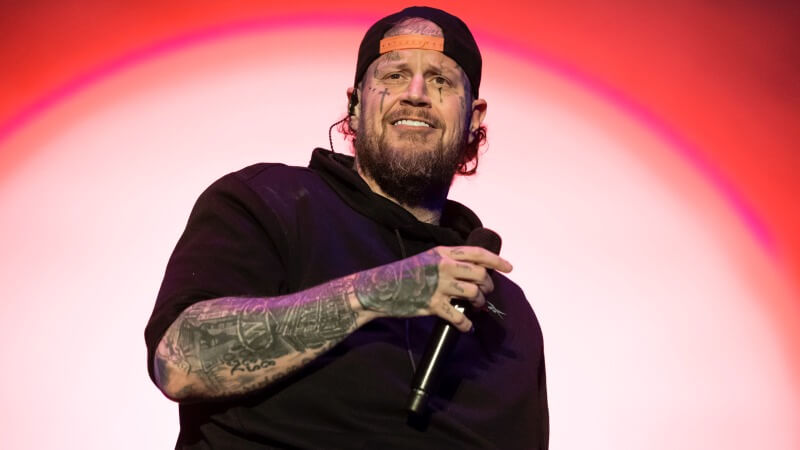
Huge week for the Jelly Roll diehards out there—your favorite Christian country rapper was just granted a full pardon by Tennessee governor Bill Lee. With around 40 stints in jail—the most serious being for a robbery at age 17 and drug charges at 23—the rapper-turned-singer legally named Jason Deford has, as he tells it, had difficulty traveling internationally for concert tours and “Christian missionary work” due to all the burdensome felony-related paperwork. Deford doesn’t have to worry about that anymore, as Lee granted him an official pardon yesterday and even invited the musician to his mansion for celebratory photo-ops and handshakes.
Jelly Roll had long since served his time (and Tennessee’s pardons are “statements of forgiveness” rather than get-out-of-jail-free cards, anyways), so the major boons from the pardon will be the restoration of voting rights and, of course, a far easier time getting through TSA—arguably the most tangible miracle of all. But in all honesty, the pardon feels less like a radical act of mercy than a carefully staged morality play, complete with a repentant sinner, a conservative governor, and a camera-ready redemption arc.
For whatever it’s worth, it does sound like Jelly Roll has genuinely turned over a new leaf, and has been working towards a better life for years—he’s testified before the U.S. Senate about the dangers of fentanyl, earned the trust and support of his parole board, and seemingly found God or something (again: “Christian missionary work”). As he put it, “I’m looking to take my message of redemption through the power of music and faith through the rest of the world.” And that’s great! Good for Jelly Roll!
It is hard, though, not to eye pardons like these with some degree of cynicism. Pardons are good, sure, but they’re also extremely convenient displays of goodness—ones that play especially well in a world where public forgiveness is more readily extended to repentant celebrities than to ordinary people still trying to outrun their records. Therein lies the rub: Tennessee prisons are full of people with fewer charges, less money, and equal or greater evidence of rehabilitation. But those people will never be invited into the governor’s mansion, because they do not come with press coverage, streaming numbers, or testimony that fits neatly into a campaign-friendly narrative. At the end of the day, it’s mostly a PR opportunity: a chance for Governor Lee to sit a Grammy-nominated artist in front of his fireplace and show off some paperwork before the cameras.
When telling reporters why he chose to pardon Deford specifically, Lee explained that it’s simply “a redemptive, powerful story, which is what you look for and what you hope for.” But the key word there, I think, is probably “story”—the aim is less fairness or justice or redemption or hope than it is the ability to prop up the narrative of them, to tie your name to news articles and hope they curry some favor. It’s true; pardoning Jelly Roll makes for a good story, all the more so because it comes with a built-in vehicle: Jelly Roll himself, who will use said pardon to enable international tours during which the word of God—and the governor who signed the paperwork—can be spread. Redemption, after all, is much easier to celebrate when it comes with a publicist, a label, and a predictable applause line.
None of this is said as a means to negate Jelly Roll’s personal growth, or the sincerity of his faith, or the fact that people can and do change. But pardons like this are less about belief in redemption than belief in optics. They reward not transformation, but visibility—the ability to turn private rehabilitation into public spectacle. For every celebrity granted forgiveness in a governor’s living room, there are thousands of people whose redemption goes undocumented, unphotographed, and unpardoned. They do not lack moral worth. They simply lack a “story” worth selling. And that’s the part that remains hard to swallow.


 Keep scrolling for more great stories.