
The Housemaid is a suitably tawdry staredown between Amanda Seyfried and Sydney Sweeney
Paul Feig has always seemed a little uncomfortable with exploitation, but he makes some progress with this thriller.
Photo: Lionsgate
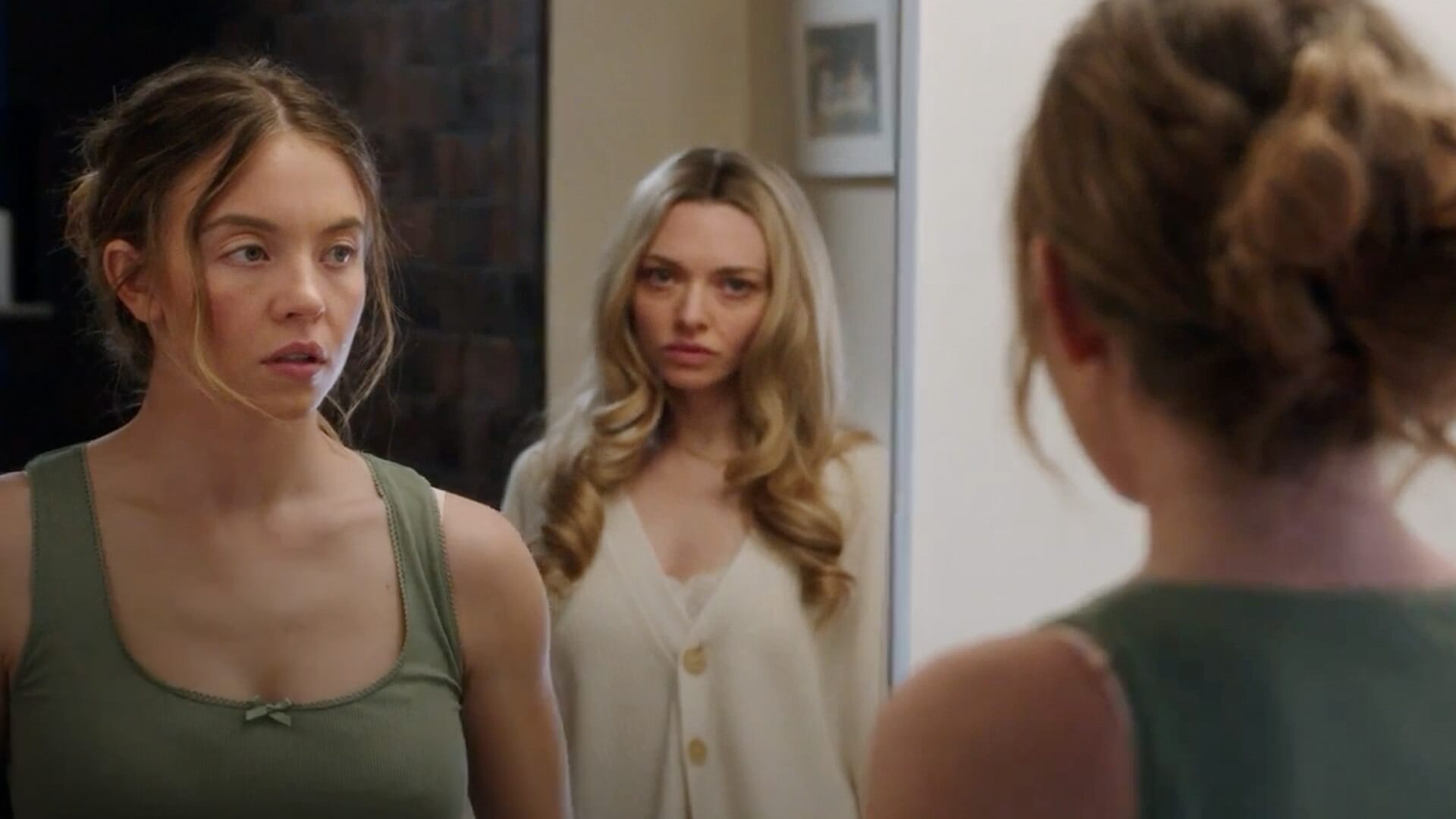
The classic superficial division between women pitted against each other, usually but not always by men, is brunette versus blonde. The Housemaid, a movie adaptation of the same-named bestselling novel, finds a new aesthetic perhaps more befitting a time where almost anyone can go blonde with a good enough stylist: sleepy-eyed versus saucer-eyed. What this surface-level split is supposed to connote is less clear. Heavy-lidded Millie (Sydney Sweeney) arrives at a job interview for a live-in housemaid position with a secret, quickly revealed to the audience: Her CV is falsified out of desperation to secure some job, any job, to stay on her parole officer’s good side. (How this presumably pay-stub-free job squares with a parole-required employment that would presumably need to be verified, the movie never bothers to explain.)
Despite her expressive, attentive eyes, Nina (Amanda Seyfried) doesn’t seem to notice any problems with her younger, vaguely evasive, and cleavage-forward houseguest—except, appropriately enough, when she shows up to work not wearing the glasses she sported during her interview. Nina more gives the impression that she may have made this hire on a mood-swing impulse, maybe without informing her handsome husband Andrew (Brandon Sklenar, the latest in a long line of director Paul Feig’s slightly bland himbos) or her daughter Cece (Indiana Elle).
Andrew and Cece may look taken aback, but it’s Nina’s good mood that doesn’t last. After treating Millie to some well-appointed hospitality, she swiftly becomes a boss from hell, giving her conflicting instructions and flying into indiscriminate rages at perceived infractions. She reverts to sweetness just occasionally enough for the audience to wonder if there could be identical twins afoot—if that twist hadn’t already been used up in another Feig movie about two women with an unhealthily entwined relationship.
That could describe most of his movies, actually. But specifically, The Housemaid is a contemporary suburban Gothic (complete with attic guestroom!) that sits on a less-comic end of the spectrum where the suburban noir of his other novel adaptation, A Simple Favor, also hangs out. (Equidistant from the latter, but in the opposite direction, is the overshticky Another Simple Favor from earlier this year.) Housemaid isn’t as perfectly tuned to Feig’s sensibilities as Favor, where the Anna Kendrick character takes an active role in sleuthing out the plot’s secrets while providing a comic gloss on its darker tones. The Housemaid certainly generates plenty of mystery around what the hell is fueling the tensions between Nina and Millie. But it’s more the variety where character backstories are obviously withheld until such time as they are explained in a torrent of narration. Feig doesn’t weave bits and pieces of revelation into the narrative with slow-burn patience. The movie is more like a growing list of questions, followed by answers with the length, detail, and tidiness of a school essay.
 Keep scrolling for more great stories.