In the year-long series Sounds Of Blaxploitation, Craig D. Lindsey plays the hits that defined a genre, drawing connections between the music of the moment and the films that gave it a platform.
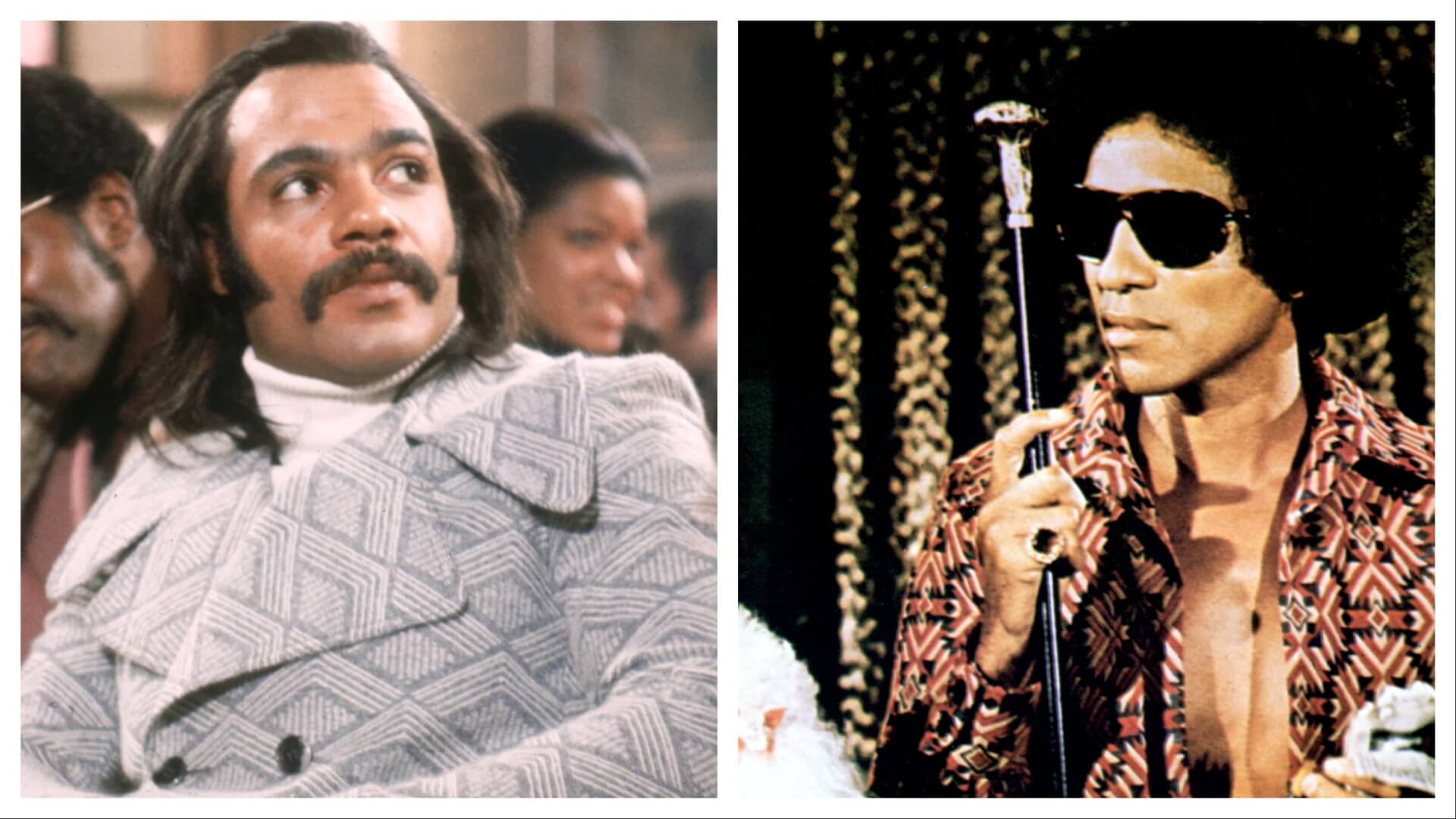
Super Fly and The Mack are a pair of Blaxploitation classics that gave Black audiences wild-haired antihero protagonists who drive fancy cars, wear designer duds, romance women of every shade, and attract haters on both sides of the law. They also have soundtracks created by Black singer-songwriters (Curtis Mayfield and Willie Hutch, respectively) that have lived on even longer than the films themselves, sampled throughout the decades by rappers, singers, DJs, and more.
Chicago son Curtis Mayfield would become Blaxploitation’s most prolific film composer after creating the tracks for 1972’s Super Fly, dropping scores for several Black films throughout the decade, including the musical Sparkle, the Bill Cosby-Sidney Poitier team-up Let’s Do It Again, and the family dramedy Claudine. But Super Fly is his first, most successful, and most acclaimed score; serving as his third studio album, it reached gold-selling status and spawning double-platinum, top-10 hits with the title track and the single “Freddie’s Dead.”
The Super Fly score is famous for contradicting director Gordon Parks, Jr. and writer Phillip Fenty’s story of Youngblood Priest (Ron O’Neal), a coke-sniffing drug lord who sets up a big score so he can save enough money to permanently get out of the game. Mayfield’s compositions, which features contributions from such Chi-Town cohorts as arranger Johnny Pate (who would score Blaxploitation soundtracks of his own, like Shaft In Africa) and guitarist Phil Upchurch, practically serve as a disapproving Greek chorus, rhythmically reminding the audience that this smooth-ass hustler is still getting most of the Big Apple high on his supply.
Super Fly begins with two-bit junkies on a mission to rob our unsuspecting Priest, set to the poetic downer “Little Child Runnin’ Wild,” Mayfield’s ode to nightmarish ghetto living. The instrumental for “Freddie’s Dead” plays during scenes of Priest walking around or cruising in his custom Cadillac Eldorado pimpmobile. Although it’s a rocking, confident piece of music, the song’s title foreshadows the demise of Fat Freddie (Charles McGregor), one of Priest’s doomed lieutenants.
During the obligatory nightclub sequence, Mayfield himself is onstage (with his band, The Curtis Mayfield Experience) singing “Pusherman,” practically serving as Priest’s entrance music as he and his partner Eddie (Carl Lee) walk in the spot. “I’m your mama, I’m your daddy, I’m that nigga in the alley,” Mayfield memorably starts off. “Pusherman,” a song cited by everyone from Clipse to Ice-T to Chance The Rapper, plays again during a still montage—also shot by Parks—that features Priest’s minions selling product to various addicts in the city.
But it’s not all funky finger-wagging. We get the string-heavy love theme “Give Me Your Love (Love Song)” during a very slow, very up-close love scene between Priest and main girl Georgia (Sheila Frazier) in a bathtub. We eventually get the solid title track—which later formed the foundation of Beastie Boys’ “Egg Man”—as Priest springs into action during the final act, scheming to get his loot before corrupt, hating-ass cops can take him out.
Unlike Mayfield, Willie Hutch wasn’t as damning of the material on-screen when he composed the music for The Mack, director Michael Campus’ 1973 inner-city chronicle of a rising Oakland pimp Goldie (Max Julien), based on a real pimp Campus met in the city. During the opening credits, Hutch assumes the role of musical narrator with “Theme Of The Mack.” “Listen to me, everybody / While I tell you this story about the Mack,” Hutch sings.
The singer-songwriter-producer (best known for the run of hits he did as a Motown staff writer, like The Jackson 5’s “I’ll Be There”), Hutch mostly provides ferociously funky background music—which was, for a 1983 re-release of the film, foolishly replaced with a derivative score from Back To The Future composer Alan Silvestri and veteran R&B songwriter Gene McDaniels. But Hutch also slides in some soulfully somber pieces for scenes where Goldie gets close with family. You hear the flute-and-guitar opening from closing-theme single “Brother’s Gonna Work It Out” when Goldie has a heart-to-heart with his militant brother (future Magnum P.I. cast member Roger E. Mosley), and the tender “Mother’s Theme (Mama)” obviously plays during scenes with Goldie and his mom (Juanita Moore).
But it’s the love theme “I Choose You,” which shows up whenever Goldie lays his rap on a gal who’ll eventually join his stable, that has become the movie’s most recognizable selection. Hutch heavily lays on his rap during the song (“My baby, you’re alright / How can I convince you, girl, that you’re truly out of sight”), while Carolyn Willis (from the R&B girl-group Honey Cone) and siblings Julia Waters Tillman and Maxine Waters Willard (of the sisterly backup group The Waters) add boisterous background vocals. Decades later, Southern hip-hop legends Outkast and UGK would sample it for a tune whose title—”International Players Anthem (I Choose You)”—could’ve been an alternate title for the Blaxploitation classic.
There are also some moments featuring live musical accompaniment from other artists. During the nightclub sequence, Oakland group The Ballads can be seen singing their single “Dizzy World,” as Goldie shoots the shit with his right-hand man Slim (Richard Pryor). Soul group The Uptights, also from the Bay Area, provides cookout grooves for a picnic scene. And girl group The Sisters Love, consisting of several former Raelettes, serve as the house band for the oh-so-integral Player’s Ball sequence.
Just as The Mack and Super Fly won over audiences with their guerilla ghettofabulousness (as well as later influencing everything from the biggest rap artists out there to Quentin Tarantino movies), their respective soundtracks became landmark collections of ’70s Black soul. Even detached from the movies their scoring, they’re still conceptual compilations that efficiently, ultimately come to the same conclusion as their films: Whether you’re trying to live the life or get out of it, pimping ain’t easy.
Next time: Saluting the sole Blaxploitation soundtrack from a singer-songwriter who tragically died too soon.


 Keep scrolling for more great stories.