
Distracted gaming: Why nobody pays attention in multiplayer games anymore
What happens when our lack of attention span collides with the all-consuming nature of "black hole" games?
Image: Valorant (Riot Games)
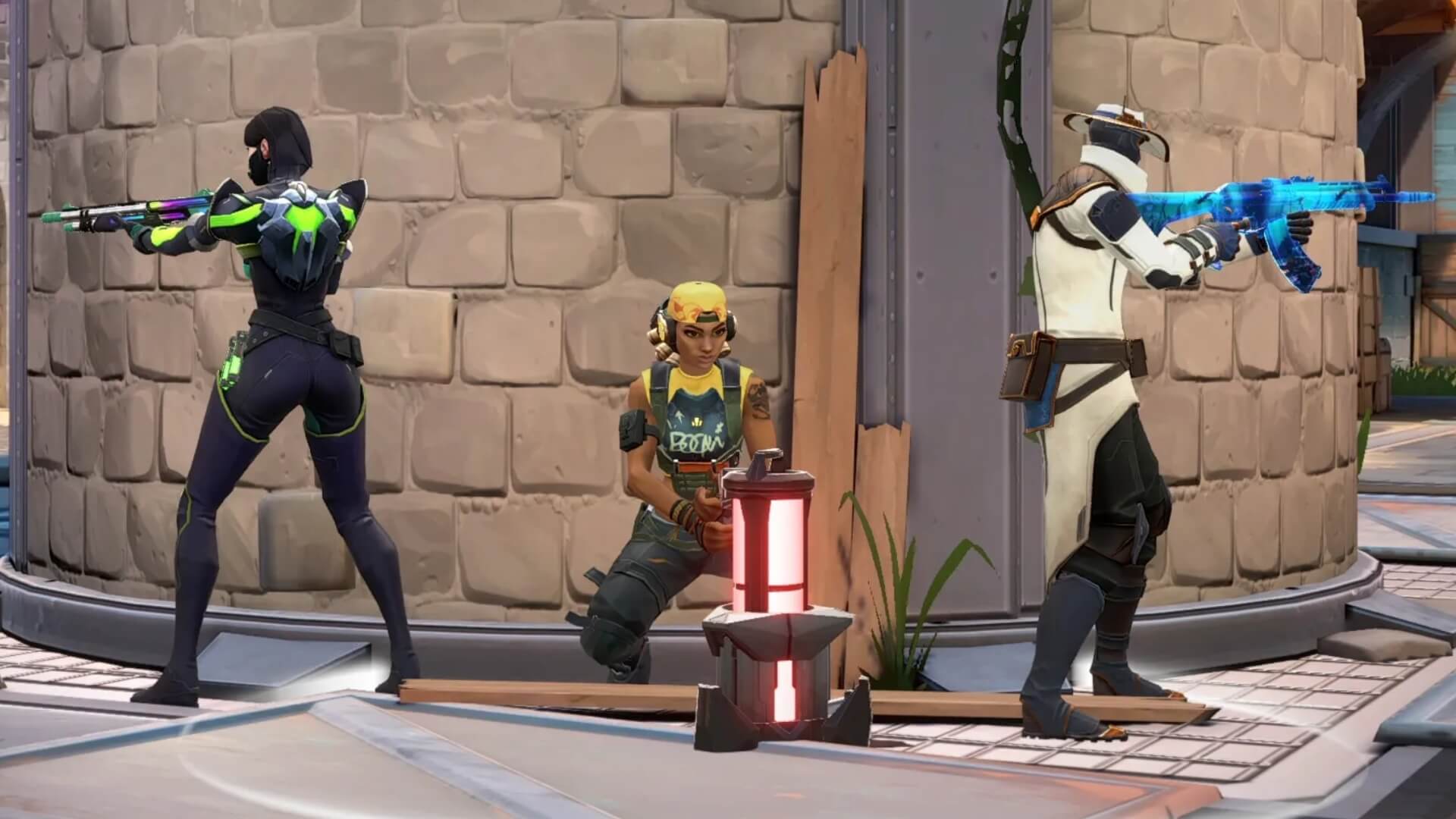
Eventually the schtick gets old. That’s the thing about “black hole” games—games like Valorant, Fortnite, Overwatch, and any other that’s designed to eat up as much of your free time as possible, through the use of tactics like absurdly long playthrough times and live service models. You can’t play them with the same level of dedication forever, even if that’s what they want you to do. I’ve been hard-stuck Silver in Valorant for literal years; any one competitive match is merely a drop in a bucket, and won’t make or break my (nonexistent) rank progression. So I find myself getting up for a snack between rounds more often, no longer caring if I get back in time to grab a Vandal before the buy phase ends. Or I find myself reaching for my phone. And in a game where every competitive match lasts upwards of an hour, who cares if I’m only half paying attention three matches in?
I’m not the only one who does this. I’ve been in games where all four of my teammates stood catatonic in spawn until the last possible second before the game started. My friends admit to tabbing out and watching YouTube videos or scrolling through Twitter between rounds. “Lock in” less often means “give it your all” than it does “get off your phone and pay attention to the game.”
It’s becoming a common problem across all popular multiplayer games. “In [the first] Overwatch there was a lot of non-verbal communication through movement and emotes and voice lines in the spawn,” one player tells me. “Everyone would be emoting each other and talking about each others’ skins. But in Overwatch 2, everyone—especially me—just stands around [away from the keyboard] until the game starts.”
In market analyst Matthew Ball’s essay on the state of the games industry in 2025, Ball observes that the gaming boom that occurred from 2011 to 2021 has reached a definitive end, as the market doesn’t just fall short of global benchmarks but actively shrinks—even as the market for other media, like books, music, and digital video has continued to grow. Ball appoints the decline to multiple causes, including (but not limited to) the slowing of decade-old growth drivers such as live service models, mobile gaming, and user-generated content platforms; the failure of would-be new growth engines like cloud gaming, AR/VR, and Web3; evolving user behaviors and monetization models; and the rise of social video consumption. That last one isn’t just cutting into the player base, but causing some of those who remain to pay less attention to the game they’re playing, leading to a worse experience for everybody.
 Keep scrolling for more great stories.